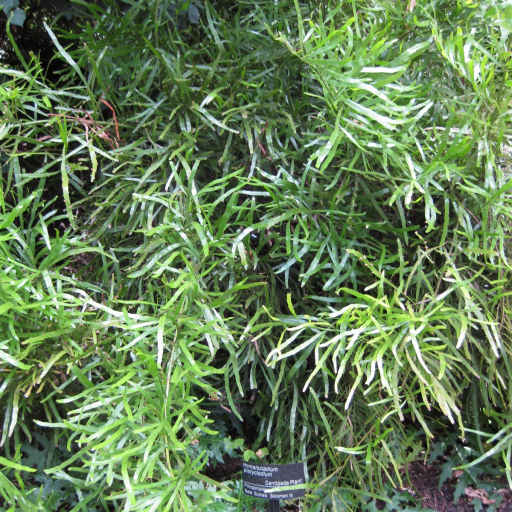
Plant Overview
Often called the Tapeworm Plant or Ribbon Bush, this architectural oddity from the Solomon Islands looks more like a collection of green streamers than a typical shrub. It is a favorite among collectors of "weird" plants because it manages to look both minimalist and prehistoric at the same time. Despite its strange, flattened appearance, it is a resilient grower that adds a unique geometric texture to any indoor jungle or tropical garden.
🔍 How to Identify
- 📏 Flattened Stems: The most striking feature is its ribbon-like, bright green stems (known as cladodes). They are thin, flat, and wide, functioning as the plant's primary way to catch sunlight.
- 🖇️ Jointed Segments: The stems are divided into distinct horizontal segments or "nodes," giving the plant an appearance similar to a centipede or a long piece of green tape.
- 🌸 Hidden Blooms: Look closely at the edges of the stem joints; you’ll find tiny, inconspicuous white or pinkish flowers that eventually produce small, fleshy red berries.
🏡 In Your Garden
- 💧 Humidity Lover: Coming from the South Pacific, this plant thrives in moist air. While it is tough, low humidity can cause it to look "tired." It appreciates being grouped with other plants or placed near a humidifier.
- 🏗️ Architectural Growth: It has a scrambling, upright habit that can become quite bushy. Because the stems are so thin and flat, they can eventually flop over, making this a great candidate for a tall pedestal or a trellis where the "ribbons" can cascade.
- ✂️ Pruning Nuance: It is a fast grower when happy. You can prune it aggressively to keep it tidy, and the cuttings root very easily in water, making it a fun plant to share with friends.
⚠️ Safety & Toxicity
- ✅ Non-Toxic: The Tapeworm Plant is generally considered safe and non-toxic for cats, dogs, and humans.
- 🍃 Skin Sensitivity: While the plant doesn't contain dangerous toxins, the sap can occasionally cause mild skin irritation for those with very sensitive skin. It is always a good idea to wash your hands after a heavy pruning session.
✨ Fun Fact
🧬 Master of Disguise: Those flat "leaves" aren't actually leaves at all! They are modified branches called cladodes. The plant produces true leaves when it is very young, but it quickly drops them to reduce water loss, leaving the stems to do all the work of photosynthesis.

Detailed Care Instructions
To grow Muehlenbeckia platyclada (also known as wire vine or lacy wire vine), follow these steps:
- Select a suitable location: This plant thrives in bright, indirect sunlight. Choose a spot with well-draining soil.
- Propagation: Muehlenbeckia platyclada can be propagated through stem cuttings. Take a healthy stem cutting about 4-6 inches long from an existing plant. Make sure the cutting has several nodes (where the leaves grow from) along its length.
- Preparing the cutting: Remove the lower leaves from the cutting, leaving only a few at the top. This will help prevent the cutting from losing too much moisture while it develops roots. Ideally, you should dip the cut end of the stem in rooting hormone before planting it in soil. This will improve the chances of successful rooting.
- Planting: Fill a small pot with well-draining soil mix, such as a combination of potting soil and perlite. Make a small hole in the soil using a pencil or your finger, and insert the cutting into the hole, ensuring that at least two nodes are underground. Gently pat the soil around the cutting to secure it.
- Watering: Water the cutting thoroughly, ensuring that the soil is moist but not soggy. Avoid overwatering, as it can lead to root rot.
- Care: Place the potted cutting in a warm spot with bright, indirect sunlight. Maintain consistent moisture by watering when the top inch of soil feels dry. Avoid exposing it to direct sunlight, as this can stress the plant.
- Fertilizing: Once the cutting has established roots and starts to grow, you can fertilize it every 1-2 months during the growing season (spring and summer) using a balanced houseplant fertilizer. Follow the instructions on the fertilizer package for application rates.
- Maintenance: Trim and shape the Muehlenbeckia platyclada as needed to maintain its desired form. The plant is fast-growing and can benefit from occasional pruning to control its growth.
By following these steps, you can successfully grow Muehlenbeckia platyclada and enjoy its unique lacy foliage.

Place in a window with dappled sun or a spot in the middle of a room. Or directly in a window facing west or east.

When it comes to watering the Muehlenbeckia Platyclada plant, it is important to consider a few key factors to ensure optimal growth and health. Here are some details on how to water this particular plant:
1. Prioritize well-draining soil: Muehlenbeckia Platyclada thrives in soil that allows excess water to drain freely. It is crucial to select a well-draining potting mix specifically formulated for succulents or cacti. This will help prevent waterlogging, which can lead to root rot.
2. Monitor soil moisture: Before watering, it is essential to assess the moisture level in the soil. Insert your finger about an inch deep into the soil to check for dryness. If the soil feels dry, it's an indication that the plant requires watering.
3. Watering frequency: Muehlenbeckia Platyclada is a drought-tolerant plant and prefers infrequent watering rather than being consistently moist. Typically, it is best to water this plant deeply once the soil has completely dried out. Aim to water it every 10-14 days, but always adjust this schedule based on the environmental conditions and the specific needs of your plant.
4. Water quantity: When watering, provide enough water so that it thoroughly penetrates the roots. Keep pouring the water until it begins to drain out from the bottom of the pot. This ensures that the entire root system receives adequate hydration.
5. Avoid overwatering: While watering, exercise caution not to overwater the plant. Overwatering can lead to root rot and cause severe damage or even death to the plant. It is crucial to find the right balance and avoid leaving the plant sitting in stagnant water.
6. Seasonal adjustments: The watering requirements of Muehlenbeckia Platyclada may vary depending on the seasons. During the summer months or periods of active growth, the plant may require more water. In contrast, during the winter or dormant period, it is recommended to reduce the frequency of watering.
Remember that individual plant requirements may vary based on factors such as the size of the pot, environmental conditions, and overall plant health. Observing the specific needs of your Muehlenbeckia Platyclada and adjusting the watering routine accordingly will help ensure its well-being.
To properly fertilize the Muehlenbeckia Platyclada plant:
- Start by selecting a balanced, water-soluble fertilizer specifically formulated for use on ornamental plants. Look for a fertilizer with equal amounts of nitrogen (N), phosphorus (P), and potassium (K), often indicated as NPK on the packaging.
- Dilute the fertilizer according to the package instructions. Typically, you will mix a certain amount of fertilizer with a specific volume of water to create a ready-to-use solution.
- Ensure that the plant's soil is moist before applying fertilizer. If the soil is dry, water the plant thoroughly and allow excess water to drain away before proceeding.
- Apply the diluted fertilizer to the soil around the base of the Muehlenbeckia Platyclada plant. Avoid getting the fertilizer directly on the foliage, as it may cause harm. Use a watering can or sprayer to evenly distribute the fertilizer solution.
- After applying the fertilizer, water the plant lightly to help the nutrients reach the root zone. Again, avoid excessive watering that may lead to waterlogged soil.
- Monitor the plant's response to fertilization. If the leaves become pale or show signs of nutrient deficiency, apply a well-balanced fertilizer again following the same instructions.
- Fertilize the Muehlenbeckia Platyclada plant every four to six weeks during the growing season, which typically extends from spring to late summer or early fall. Reduce or cease fertilization during winter or when the plant is dormant.
- Always follow the specific instructions provided with the fertilizer product you choose, as different brands and formulations may have slightly different application rates and schedules.
Remember that a healthy Muehlenbeckia Platyclada plant is not solely dependent on fertilization. Provide proper sunlight, water, and general care to ensure its overall well-being.
When cultivating the Muehlenbeckia Platyclada plant, it is essential to choose an appropriate soil type to ensure optimum growth and health. This plant prefers well-draining soil that is rich in organic matter to retain sufficient moisture without becoming waterlogged.
The ideal soil for Muehlenbeckia Platyclada is loamy or sandy, offering good drainage capabilities. It should allow excess water to pass through easily, preventing the plant's roots from getting waterlogged and potentially causing root rot.
To create a suitable soil mix, combine equal parts of garden soil, compost, and perlite or sand. This combination promotes proper drainage and aeration while retaining adequate moisture for the plant's requirements. The added compost enriches the soil with nutrients and organic matter, contributing to the overall health and vitality of the Muehlenbeckia Platyclada plant.
It is important to note that the pH level of the soil should be slightly acidic to neutral, ranging between 6.0 and 7.0. This pH range ensures optimal nutrient absorption and contributes to the overall well-being of the plant.
Furthermore, regular monitoring of soil moisture levels is crucial for maintaining the plant's overall health. Ideally, the soil should be moist but not waterlogged. Adjust watering according to the plant's needs and environmental conditions, ensuring that the soil remains evenly moist without becoming saturated.
By providing the appropriate soil conditions, Muehlenbeckia Platyclada can thrive and display its distinctive growth pattern, showcasing a beautiful and unique addition to your garden or indoor space.
To propagate Muehlenbeckia platyclada, you can follow these steps:
- The first and most common method of propagation is through stem cuttings. Take a healthy stem cutting measuring around 4-6 inches long, preferably during the spring or early summer months. Make sure to choose a stem that is not flowering or fruiting.
- Prepare a well-draining soil mixture by combining equal parts of peat moss and perlite or coarse sand. Moisten the mixture to ensure it is damp but not overly wet.
- Remove the leaves from the lower two-thirds of the cutting, leaving only a few leaves at the tip. This reduces water loss and concentrates energy on root formation.
- Dip the cut end of the stem into a rooting hormone powder or liquid. While this step is optional, it can significantly increase the success rate of rooting.
- Make a hole in the prepared soil mixture using a pencil or a similar object. Insert the stem cutting into the hole about an inch deep and gently firm the soil around it to provide stability.
- Place the cutting in a warm, bright location away from direct sunlight to avoid scorching. Maintain humidity by covering the cutting with a plastic bag or a propagator.
- It is crucial to keep the soil moist during the rooting process. Check the moisture levels regularly and water lightly as needed. Be careful not to overwater, as excessive moisture can lead to fungal diseases or rot.
- After about 4-6 weeks, gently tug the cutting to check for resistance. If you feel some resistance, it indicates the roots have developed, and the cutting has successfully rooted.
- Once the roots have formed, gradually acclimate the new plant to its final growing conditions by increasing exposure to sunlight and removing the plastic bag or propagator. This process should be done gradually over a few weeks.
- Transplant the new Muehlenbeckia platyclada plant into a well-draining pot or garden bed once it has established a healthy root system. Be sure to provide appropriate care, including regular watering, light fertilization, and protection from extreme weather conditions.
By following these steps, you can successfully propagate Muehlenbeckia platyclada and enjoy its unique characteristics and growth in your garden or indoor space.
Common pests of the ribbonbush include Scale insect, mealybugs, spider mites, aphids, whiteflies. Make a habit of checking your ribbonbush frequently for pests so that any infestations can be caught and managed early.








