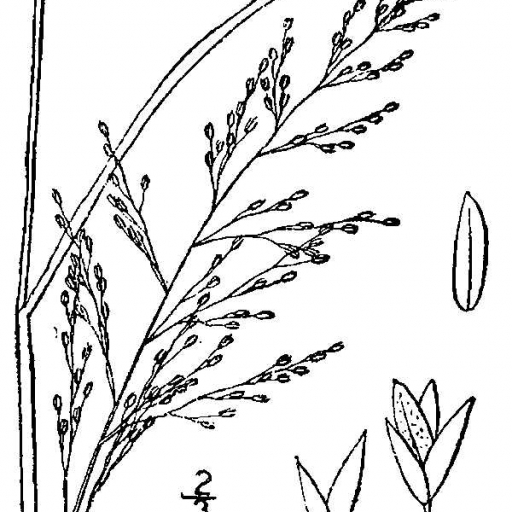
Plant Overview
Known as the "Ring Muhly," this hardy perennial grass is a desert survivor that creates its own miniature crop circles in the wild. It is a favorite for high-plains gardeners and xeriscape enthusiasts who want a touch of wild, airy elegance without a high water bill. Its soft, misty appearance during bloom belies its tough-as-nails nature and ability to thrive in harsh environments.
🔍 How to Identify
- 🌀 Growth Habit: It forms dense, low-growing cushions of foliage. As the plant ages, the center naturally dies out while the outer edges continue to grow, creating a distinctive "ring" or "donut" shape.
- 🌿 Foliage Texture: The leaves are incredibly fine, needle-like, and often "kinky" or curled. They typically have a blue-green to grayish hue, giving the plant a soft, fuzzy look from a distance.
- ☁️ Flower Mist: In late summer, it produces delicate, reddish-purple seed heads. These airy panicles hover above the leaves like a faint cloud or haze, catching the golden hour light beautifully.
🏡 In Your Garden
- 🏜️ The Ultimate Minimalist: Ring Muhly thrives on neglect. It actually prefers poor, sandy, or rocky soils where other ornamental grasses might struggle to survive.
- 🌬️ Erosion Control: Because of its low, spreading habit and tough root system, it is excellent for stabilizing slopes or filling in dry spots where grass refuses to grow.
- ✂️ Pruning Nuance: It rarely needs maintenance, but if you want to tidy it up, wait until early spring. Its structure provides important winter interest and shelter for tiny beneficial insects.
⚠️ Safety & Toxicity
- 🟢 Non-Toxic: This grass is considered safe and non-toxic for cats, dogs, and horses, making it an ideal choice for pet-friendly landscapes.
- 🛡️ Physical Irritation: While not poisonous, the fine, dry seed heads and kinky leaves can be slightly scratchy. It is best to wear gloves if you are doing extensive clearing or "combing" of the dead center.
✨ Fun Fact
The "fairy ring" growth pattern of Muhlenbergia torreyi is a survival strategy! By dying out in the center and moving outward, the plant constantly seeks "fresh" soil and nutrients, ensuring it doesn't exhaust the resources in one single spot.

Detailed Care Instructions
To successfully grow Muhlenbergia torreyi, also known as Torrey's Muhly grass, follow these steps:
- Choose the right location: Torrey's Muhly grass prefers full sun but can tolerate light shade. Ensure the area has well-draining soil.
- Prepare the soil: Before planting, amend the soil with organic matter like compost to enhance its fertility and drainage. Remove any weeds or grass from the planting area.
- Planting time: It is best to plant Torrey's Muhly grass in spring or fall when the temperature is mild. Avoid planting during extreme hot or cold weather.
- Planting process: Dig a hole that is twice the size of the root ball of the plant. Place the plant in the hole, ensuring that it is planted at the same depth as it was in the nursery pot. Fill the hole with soil and gently tamp it down around the base of the plant.
- Watering: Water the plant thoroughly after planting to settle the soil and encourage root establishment. After that, water the grass regularly, especially during the first growing season to help it establish robust roots. Once established, Muhlenbergia torreyi is drought-tolerant and requires less frequent watering.
- Pruning: Torrey's Muhly grass doesn't require much pruning. In late winter or early spring, remove any dead or damaged foliage to promote healthy growth.
- Fertilization: Torrey's Muhly grass typically doesn't need frequent fertilization. However, you can apply a slow-release balanced fertilizer in early spring to provide nutrients for healthy growth.
- Mulching: Applying a 2 to 3-inch layer of organic mulch around the base of the plant can help conserve moisture and suppress weed growth. Avoid placing mulch directly against the plant's crown.
- Pest and disease control: Muhlenbergia torreyi is generally not plagued by severe pest or disease problems. However, keeping the plant healthy and properly watered can help prevent any potential issues.
- Division and propagation: Muhlenbergia torreyi can be propagated by division. In late winter or early spring, dig up the plant and carefully divide the clumps into smaller sections, ensuring each section has some roots attached. Replant the divisions in prepared soil, and water them well.
By following these steps, you should be able to successfully grow Muhlenbergia torreyi in your garden or landscape.

Place in a bright room that is sun drenched almost all day. Or directly in a south-facing window.

Muhlenbergia Torreyi plant prefers to be watered deeply and infrequently, allowing the soil to dry out partially between waterings. When watering, aim to moisten the soil at the plant's root zone without over-saturating it. The frequency of watering will depend on factors such as temperature, humidity, and soil type, but as a general rule, it is recommended to water once every 5-7 days. It is important to avoid getting water on the foliage of the plant, as this can increase the risk of disease and pest infestations. Watering in the morning or early evening when temperatures are cooler can also help reduce moisture loss due to evaporation.
Fertilize this plant with a slow-release nitrogen-based fertilizer in the spring, preferably before new growth emerges. Apply the fertilizer according to the instructions on the packaging, and avoid over-fertilizing as it can damage the plant's roots. Water the plant thoroughly before and after fertilizing to prevent nutrient burn. If desired, you can apply a second round of fertilization in the late summer or early fall, but it's not necessary.
The ideal soil for Muhlenbergia Torreyi should be well-draining and rich in nutrients. It should have a pH range of 6.0-7.5, and be slightly acidic to neutral. The texture of soil should be either sandy or loamy, as these types of soils are suitable for this plant's growth and development. Additionally, it should be free of any impurities or contaminants that could potentially harm the plant in any way. A proper soil mix for this plant could be a combination of sand, loam, and peat moss. Adequate drainage is crucial, and the soil must not be compacted or waterlogged. The requirement for light, water, and nutrients varies for different plants, and it is important for any gardener to acquire knowledge about the specific requirements of their plant.
Muhlenbergia Torreyi can be propagated through both seed and division.
To propagate through seed, collect the seed heads of the plant once they have dried up. Strip the seed heads of the seeds and sow them in a well-draining soil mixture. Keep the soil moist but not waterlogged and place the pot in a warm, bright location. Germination should occur within 2-3 weeks.
To propagate through division, choose a mature plant with healthy roots. Dig up the plant and carefully divide it into sections, making sure each section has a healthy root system. Replant each section in a well-draining soil mixture and water thoroughly. It is best to do this in the early spring when new growth is just beginning.
Both methods of propagation can be successful with Muhlenbergia Torreyi plant.








