Plant Overview
Often called the "Cotton Candy Berry" or "Jamaican Cherry," Muntingia calabura is a beloved tropical pioneer tree known for its incredible speed of growth and its remarkably sweet, candy-scented fruit. Native to the Neotropics but now a staple in gardens across Southeast Asia and India, it acts as a natural "umbrella" tree, providing instant shade and attracting a chorus of birds and bats to any yard.
🔍 How to Identify
- 🌿 The Foliage: The leaves are long, lance-shaped, and have noticeably serrated (saw-toothed) edges. They feel soft and slightly velvety to the touch due to a coating of fine, sticky hairs.
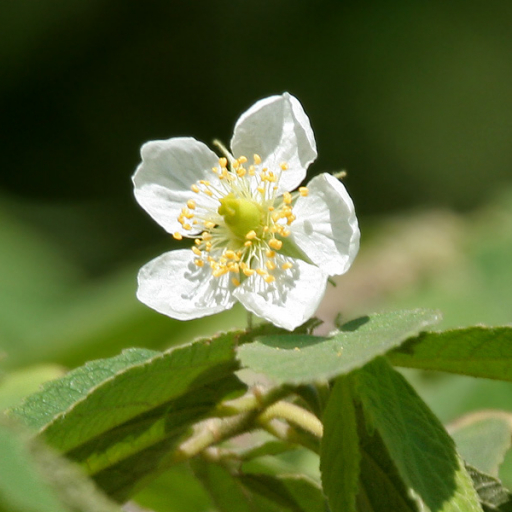
- 🌸 The Blooms: Small, delicate white flowers with yellow centers appear throughout the year. They closely resemble strawberry blossoms, which is why it is occasionally called the "Strawberry Tree."
- 🍒 The Fruit: The berries are smooth and round, transitioning from a light green to a vibrant, translucent red when ripe. Inside, the pulp is light brown and filled with tiny, edible seeds that give it a "crunchy sugar" texture.
🏡 In Your Garden
- 🚀 Pioneer Growth: This plant is famous for its "blink and you'll miss it" growth rate. Because it is a pioneer species, it is perfect for quickly filling empty spaces, but be aware that its wood is relatively brittle and can break during heavy storms or high winds.
- 🌱 Soil & Resilience: It is famously unfussy about soil quality and can even grow in cracks in the pavement. However, it thrives best in well-draining soil. It has a shallow root system, so while it doesn't need deep tilling, it appreciates a layer of mulch to keep the roots cool.
- 🐦 Wildlife Magnet: If you plant a Muntingia, expect company! It is one of the best trees for "bird-watching gardening," as bulbuls, orioles, and fruit bats will visit daily to feast on the berries.
⚠️ Safety & Toxicity
- ✅ Status: Generally safe and non-toxic.
- 🍓 Details: The ripe red fruits are completely edible and highly prized by children for their intense sweetness. There are no known toxicities for dogs or cats regarding the fruit or leaves, though, as with any plant, ingestion of large amounts of foliage by pets may cause mild digestive upset.
✨ Fun Fact
The Muntingia calabura fruit doesn't just taste like sugar; it actually contains a complex scent profile that many people describe as exactly like "brown sugar" or "toasted marshmallows." In some cultures, the leaves are dried and brewed into a tea to help soothe headaches or cold symptoms.

Detailed Care Instructions
To grow Muntingia calabura plant, also known as the Strawberry tree or Jamaican cherry, follow these steps:
- Choose a location: Select a planting site that receives full sun to partial shade. The plant can tolerate various soil types but prefers well-draining soil.
- Sow seeds: Plant the seeds in a pot or directly in the ground. If using a pot, choose a container with drainage holes and fill it with moist potting soil. Sow the seeds 1/4 inch deep and cover lightly with soil.
- Watering: Keep the soil consistently moist but not waterlogged. Water regularly, especially during dry periods. Avoid overwatering, as excessive moisture can cause root rot.
- Fertilization: Apply a balanced fertilizer during the growing season, following the package instructions. This will help promote healthy growth and fruiting.
- Pruning: Trim the plant in early spring or after fruiting to maintain its shape, remove dead wood, and promote growth. Pruning can also help control the plant's size and prevent it from becoming invasive.
- Mulching: Apply a layer of organic mulch around the base of the plant to help retain soil moisture, suppress weed growth, and provide some insulation.
- Protection from cold: Muntingia calabura is sensitive to frost and cold temperatures. If you live in a region with frosty winters, consider growing the plant in a pot so you can move it indoors or to a protected location during the colder months.
- Harvesting: The fruit of the Muntingia calabura plant typically ripens within 2-3 months after flowering. Harvest the mature fruits when they turn bright red. They should be soft and easily detach from the stem. The fruits have a sweet, tropical flavor similar to strawberries or cherries.
By following these steps and providing proper care and maintenance, you can successfully grow Muntingia calabura plant in your garden or as a potted plant.

Place in a window with dappled sun or a spot in the middle of a room. Or directly in a window facing west or east.

To water this plant, it is important to consider the specific needs of the plant. The amount and frequency of watering will depend on the age of the plant, the season, the climate, the type of soil, and the location of the plant. As a general rule of thumb, it is best to water the plant deeply and infrequently rather than shallowly and frequently. This will encourage the roots to grow deep and strong, which will help the plant to withstand drought conditions.
Before watering, it is important to check the soil moisture level. To do this, stick your finger 2-3 inches into the soil. If the soil feels dry, it is time to water. If the soil is still moist, wait for a few more days before watering.
When watering, make sure to water at the base of the plant, rather than on the leaves or flowers. This will help prevent fungi and other diseases from developing on the plant. Use a watering can or hose with a gentle stream to avoid damaging the plant.
During hot and dry weather, it may be necessary to water the plant more frequently. On the other hand, during cool and rainy weather, it may be necessary to water less frequently. The most important thing is to keep the soil consistently moist, but not saturated.
Overall, paying attention to the soil moisture and adjusting the frequency and amount of watering accordingly will help ensure the health and longevity of this plant.
To fertilize this plant, mix a balanced fertilizer, such as a 10-10-10 or 20-20-20, according to the manufacturer's instructions. Apply the fertilizer once every two weeks during the growing season, starting in the early spring and ending in the fall. Water the plant thoroughly before and after fertilizing to prevent root burn and to help distribute the nutrients. Avoid fertilizing during the winter months when the plant is dormant.
The recommended type of soil for this particular plant is a well-draining soil that is slightly acidic to neutral in pH. It should be a nutrient-rich soil that is able to retain moisture but does not become waterlogged. A mix of organic matter, such as compost or manure, and coarse sand or perlite is ideal for promoting healthy root growth and encouraging overall plant growth. The plant should be watered regularly, but care should be taken not to overwater as this can lead to root rot. Additionally, this plant is sensitive to high levels of salt in the soil, so using a soil mix that is low in salt is important.
Muntingia Calabura plant can be propagated through stem cuttings. First, select a healthy stem and cut it below a node, which is a small bulge on the stem where leaves come out. The cutting should be around 6 inches long and have at least three leaves. Remove the leaves from the bottom half of the cutting.
Next, dip the cut end of the stem into rooting hormone powder to promote root growth. Place the cutting into a pot filled with moist potting soil up to the first node. Cover the pot with a plastic bag to create a humid environment, but make sure to provide ventilation by making small holes in the plastic.
Place the pot in a warm and bright area, but not in direct sunlight. Check the cutting daily and water it as needed to keep the soil moist. In a few weeks, roots should start to grow from the bottom of the cutting. Once the roots are established, the plastic bag can be removed, and the young plant can be transplanted to a bigger pot or planted in the ground.
Common pests of the calabur-tree include Mealybugs, spider mites, aphids, thrips. Make a habit of checking your calabur-tree frequently for pests so that any infestations can be caught and managed early.








