Plant Overview
Often called the "Blood Banana" or simply the wild ancestor of the breakfast staple, Musa acuminata is a tropical powerhouse. Hailing from the humid jungles of Southeast Asia, this species is the primary genetic parent of almost every sweet banana found in grocery stores today. Despite its towering, tree-like appearance, it is technically a perennial herb—the largest one on Earth!
🔍 How to Identify
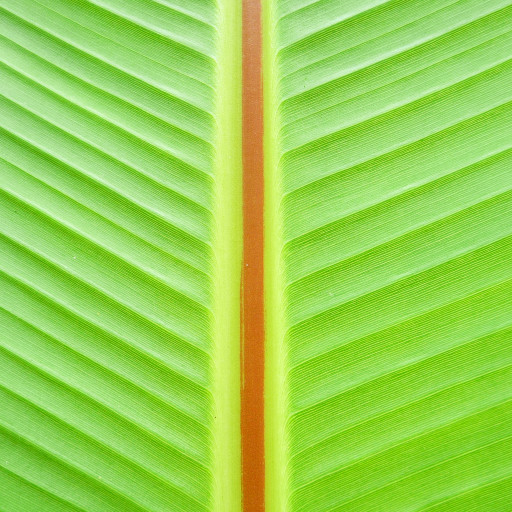
- 🍃 Grand Leaves: Enormous, paddle-shaped leaves that can reach several feet in length. In many ornamental varieties, the vibrant green surface is splashed with dramatic reddish-purple variegation.
- 🏗️ The Pseudostem: What looks like a wooden trunk is actually a "pseudostem"—a tight bundle of overlapping leaf sheaths that are surprisingly sturdy but full of water.
- 🌺 The Heart: A large, drooping, maroon or purple bud emerges from the center. As the bracts peel back, they reveal clusters of tubular flowers that eventually transform into bunches of fruit.
🏡 In Your Garden
- 🌬️ Wind Protection: Because the leaves are so massive, they act like sails in a breeze. They are designed to "shred" along the veins to prevent the entire plant from blowing over, so place them in a sheltered spot if you want to keep the leaves intact.
- 🍴 Heavy Feeders: These plants have a massive appetite. They require deep, nutrient-rich soil and frequent feeding to support their rapid growth. They are "water-holics" but hate sitting in stagnant puddles, which can rot their underground corm.
⚠️ Safety & Toxicity
- 🐾 Pet Friendly: Musa acuminata is non-toxic to dogs, cats, and horses, making it a fantastic choice for a tropical-themed garden with curious pets.
- 🧼 Staining Sap: While not poisonous, the milky sap is rich in tannins. If you prune the plant, be careful—the sap can leave permanent brown stains on your clothes and can be slightly irritating to sensitive skin.
✨ Fun Fact
Wild Musa acuminata fruits are almost impossible to eat because they are packed with dozens of hard, pea-sized black seeds. The seedless bananas we eat today are "accidents of nature" (polyploids) that humans have cloned for thousands of years!

Detailed Care Instructions
| Lighting | Full Sun |
To grow a Musa Acuminata plant, commonly known as a banana plant, you can follow these steps:
- Climate and soil: Banana trees thrive in tropical and subtropical climates. The ideal temperature range for growth is between 75-90°F (24-32°C). Ensure there is ample sunlight, as they require at least 6-8 hours of direct sunlight each day. The soil should be well-draining and rich in organic matter.
- Planting: Choose a healthy and robust musa acuminata plant or obtain a banana plant sapling from a reputable nursery. Dig a hole in the ground that is wide and deep enough to accommodate the roots. Ensure the hole is at least twice the size of the root ball. Place the plant in the hole and backfill with soil. Gently pack the soil around the base of the plant to secure it.
- Watering: Banana plants require consistent and regular watering. Keep the soil moist but not waterlogged. Deep watering once or twice a week is usually sufficient. During dry and hot spells, you may need to water more frequently to prevent the soil from drying out.
- Fertilizing: Banana plants are heavy feeders and require regular fertilization for optimal growth. Use a balanced slow-release fertilizer or a high-nitrogen fertilizer to promote healthy leaf growth. Apply the fertilizer according to the package instructions, typically during the growing season every 6-8 weeks.
- Mulching: Apply a layer of organic mulch around the base of the plant to help retain moisture, regulate soil temperature, and suppress weed growth. Examples of suitable mulch include straw, wood chips, or compost.
- Pruning: Remove any dead, diseased, or damaged leaves from the plant as they occur. Prune any suckers that emerge around the base of the plant to redirect energy toward the main stem or desired suckers to develop new plants.
- Protecting from cold: If you reside in a region where temperatures drop below 32°F (0°C), consider protecting the plant during winter. Mulch around the base of the plant and cover it with a blanket or burlap to provide insulation.
- Harvesting: Banana plants typically take 9-12 months to produce fruits. Harvest the bananas when they are fully grown, the skin has turned yellow, and they are easy to peel. Cut the stem bearing the bananas close to the main stem of the plant.
Remember to research the specific variety of Musa Acuminata you are growing, as there may be additional care instructions or requirements for that specific variety.

Place in a bright room that is sun drenched almost all day. Or directly in a south-facing window.

To water this plant, thoroughly saturate the soil until it starts to drain out of the bottom of the pot or through the ground if planted outdoors. Allow the soil to dry out slightly before watering again, but do not let it completely dry out as this can cause the leaves to wilt and brown. The frequency of watering will depend on the humidity and temperature of the environment, as well as the size of the plant and pot. Adding a layer of mulch around the base of the plant can help retain moisture in the soil. Avoid getting water on the leaves as this can lead to fungal diseases.
To fertilize the Musa Acuminata plant, use a balanced, slow-release fertilizer that is high in potassium. Apply the fertilizer every two weeks during the growing season, starting in early spring. Be sure to water the plant well before and after fertilizing to prevent root burn. Avoid applying too much fertilizer, as it may lead to salt buildup in the soil and cause damage to the plant.
The ideal soil for the Musa Acuminata plant should be well-draining and rich in nutrients. It should also be slightly acidic with a pH level between 5.5 and 6.5. The soil should be composed of a mixture of organic matter such as compost, peat moss, or well-rotted manure, and a high-quality soil mix. The soil should be loamy and crumbly, allowing air to circulate freely and prevent water from pooling around the plant's roots. It is recommended to avoid using heavy clay soils or sandy soils, as they can provide poor drainage and limit plant growth. Additionally, adding perlite, vermiculite or sand to the soil mix can improve drainage and prevent waterlogging. Overall, the soil should be high-quality, rich in nutrients, and provide excellent drainage for optimal growth and development of the Musa Acuminata plant.
To propagate this plant, select a healthy and mature plant with strong roots. Choose a stem with at least 3-4 healthy leaves and cut it close to the base of the main stem or rhizome. Dip the stem in rooting hormone and plant it in moist soil that has good drainage. Keep the soil moist and place the plant in a warm and humid environment with indirect sunlight. The cutting should begin to develop roots after a few weeks. Once the roots are established and the plant seems stable, transplant it to its permanent location.
Common pests of the dwarf banana include Scale insect, mealybugs, spider mites, fungus gnats. Make a habit of checking your dwarf banana frequently for pests so that any infestations can be caught and managed early.








