Plant Overview
Known affectionately as the Pink Velvet Banana, this tropical showstopper is a favorite for those who want an exotic look without the massive footprint of a standard banana tree. Native to the lush landscapes of Assam, India, Musa velutina is famous for its shocking neon-pink fruits that look like something straight out of a candy-colored dreamscape. It is one of the few banana species that will reliably flower and fruit indoors or in small patio containers.
🔍 How to Identify
- 💗 Velvety Fruit: The most striking feature is the small, upright bananas covered in a fine, soft fuzz. As they ripen, they turn a brilliant shade of bubblegum pink.
- 🌿 Paddle-Shaped Foliage: The leaves are waxy and deep green, often featuring a subtle reddish-bronze midrib that hints at the colorful fruit to come.
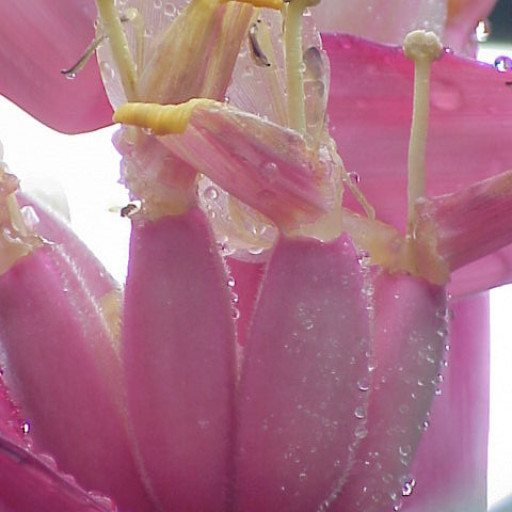
- 🌸 Upright Inflorescence: Unlike common bananas that hang downward, the flower spikes of this plant stand tall and proud, displaying pinkish-purple bracts.
- 🍌 Self-Peeling Action: In a quirky botanical twist, the skin of the fruit actually splits and curls backward on its own when the banana is fully ripe, revealing the white flesh inside.
🏡 In Your Garden
- 🌱 The Fast Lane: This is a "gratification" plant. While many bananas take years to fruit, Musa velutina can go from a small pup to a flowering adult in as little as 12 months if kept warm and well-fed.
- 💧 Thirsty & Humid: Because it originates from monsoon regions, it craves high humidity. If the leaf edges turn brown and crispy, it’s likely a sign that your indoor air is too dry or the soil has stayed parched for too long.
- ❄️ Surprising Resilience: Despite its tropical look, it is surprisingly root-hardy. In cooler climates, the top may die back in winter, but the underground rhizome can often survive and send up new shoots in the spring.
⚠️ Safety & Toxicity
- ✅ Pet & Human Safe: Musa velutina is generally considered non-toxic to cats, dogs, and humans. It is a much safer tropical choice than lilies or sago palms.
- 🦷 Seed Warning: While the white flesh of the pink banana is sweet and edible, it is packed with hard, buckshot-like seeds. Biting down on one can be a literal tooth-breaker, so most people enjoy them as ornamental plants rather than a snack.
- 👕 Sticky Situation: Like all members of the banana family, the sap is clear but can turn into a stubborn brown stain on clothing or skin once it oxidizes.
✨ Fun Fact
The Musa velutina is one of the few banana species that is "deciduous" in its fruit behavior. The term is circumscissile dehiscence—it’s the scientific way of saying the fruit peels itself to invite birds to eat the seeds!

Detailed Care Instructions
| Color | Cream To Yellow With Red Bracts |
| Soil Ph | Prefers A Neutral To Slightly Acidic Ph Level |
| Lighting | Full Sun |
| Soil Type | Prefers A Fertile, Moist, Well-Drained Soil |
| Bloom Time | Summer |
| Plant Type | Tropical Perennial |
| Mature Size | Up To 6 Feet Tall |
| Native Area | Northeastern India And The Himalayas |
| Sun Exposure | Full Sun/ Partial Shade |
| Hardiness Zones | 7-11 |
To grow Musa Velutina, also known as Pink Velvet Banana or the hairy banana, follow these steps:
- Climate and Sunlight: Musa Velutina thrives in warm and tropical climates. Choose a location that receives full to partial sunlight, with temperatures between 60-80°F (15-27°C).
- Soil Requirements: The plant prefers well-draining and fertile soil. Prepare the soil by adding organic matter like compost or well-rotted manure to improve its quality and drainage.
- Planting: Musa Velutina can be grown from seeds or by division. If using seeds, soak them in water for 24 hours before planting. Sow seeds about 1/4 inch deep in small pots filled with a well-draining potting mix. Keep the soil moist and maintain a warm temperature of around 75°F (24°C) until germination, which typically occurs within 2-4 weeks. Transplant the seedlings to larger pots once they develop a few leaves.
- Watering: Musa Velutina requires regular watering, but the soil should not be waterlogged. Ensure the soil remains consistently moist, especially during hot and dry periods. Using a layer of mulch around the plant can help retain moisture.
- Fertilization: Apply a balanced fertilizer every 4-6 weeks during the growing season to promote healthy growth. Use a slow-release granular fertilizer or a liquid fertilizer, following the package instructions.
- Pruning: Remove dead or damaged leaves to maintain a tidy appearance and prevent any potential disease issues.
- Pests and Diseases: Musa Velutina may be susceptible to pests like aphids, mealybugs, and spider mites. Regularly inspect the plant for signs of infestation and treat with an appropriate insecticide. Watch out for diseases like banana wilt, which can be prevented by ensuring proper drainage and avoiding overwatering.
- Propagation: Musa Velutina can be propagated by division. Carefully separate a section of the rhizome with roots and replant it in a new container or location.
Remember that Musa Velutina takes several years to produce fruit, and it will only fruit if given tropical or greenhouse conditions. Enjoy the plant for its attractive foliage and unique pink banana-shaped fruit.

Place in a window with dappled sun or a spot in the middle of a room. Or directly in a window facing west or east.

To water this plant, wait until the soil has become slightly dry before watering thoroughly. Be careful not to overwater, as it can lead to root rot. The plant prefers well-draining soil, so ensure that excess water can drain away. Water from below rather than from above to avoid getting water on the leaves. In addition, avoid getting water on the fruit or flowers as it can cause them to rot. During the winter months, reduce watering and allow the soil to dry out slightly between waterings.
To properly fertilize this plant, apply a balanced fertilizer that contains equal amounts of nitrogen, phosphorus, and potassium. Use a slow-release fertilizer to prevent over-fertilization and root damage. Apply the fertilizer once every two weeks during the growing season, reducing the frequency to once a month during the winter. Make sure to water the plant well before and after applying the fertilizer to avoid burning the roots.
Musa velutina plant is a type of tropical plant that requires a specific soil type for optimal growth. The ideal soil for this plant should have a high level of fertility and good drainage to ensure the plant's roots receive adequate oxygen.
A soil mix with a 1:1:1 ratio of sand, peat moss, and perlite would be perfect for this plant. The sand component helps to improve soil drainage, which is crucial for this plant, while the peat moss provides organic matter and moisture retention. Perlite is an inert volcanic substance that helps to improve the soil's aeration.
It is also important to keep the soil pH within a range of 5.5 to 6.5, as this is the optimal pH range for Musa velutina. Regular soil testing can help to ensure that the soil pH remains within this range.
Overall, by providing Musa velutina with the right type of soil, you can ensure that it grows healthy and strong, producing vibrant blooms and lush green foliage.
To propagate this plant, you will need to take a cutting from the parent plant. Choose a healthy stem or sucker that is at least six inches long and has several leaves. Using a clean, sharp knife, cut the stem at a 45-degree angle just below a leaf node.
Next, remove the lower leaves from the cutting, leaving only two or three at the top. Dip the cut end of the stem into rooting hormone powder to encourage root growth.
Prepare a pot with well-draining soil, and make a hole in the center. Insert the cutting into the hole and gently press the soil around it. Water thoroughly and place the pot in a bright, warm location with indirect sunlight.
Keep the soil moist but not waterlogged, and mist the leaves every few days to keep them from drying out. After several weeks, new growth should appear, indicating that the cutting has taken root. At this point, you can transplant the young plant into a larger pot or into the ground.
Common pests of the pink velvet banana include Scale insect, mealybugs, spider mites, fungus gnats. Make a habit of checking your pink velvet banana frequently for pests so that any infestations can be caught and managed early.








