Plant Overview
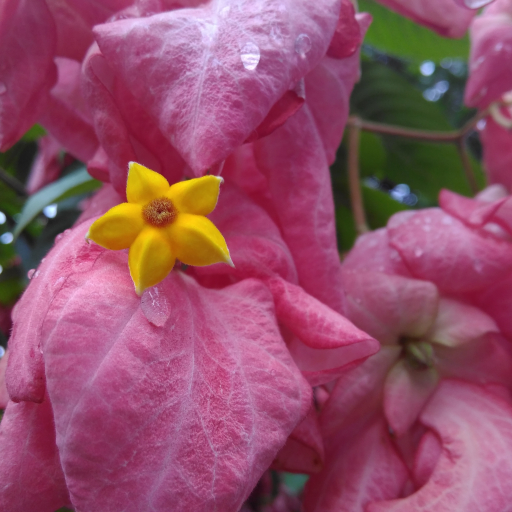
Known as the "Donna Aurora" or the "Virgin Tree," this stunning Philippine native is a show-stopper in any tropical or subtropical landscape. While its true flowers are tiny and modest, the plant creates a massive visual impact with large, velvety white leaf-like structures that look like a fresh dusting of snow against deep green foliage. It is a plant of elegance and history, often associated with grace and high-society gardens.
🔍 How to Identify
- ❄️ Showy Bracts: The most striking feature is the large, creamy-white modified sepals (bracts) that look like oversized petals. These can cover the entire shrub, making it look white from a distance.
- ⭐ True Flowers: Look closely at the center of the white bracts to find the actual flowers—tiny, five-petaled, star-shaped blooms that are usually bright yellow or orange.
- 🍃 Fuzzy Foliage: The dark green, ovate leaves are deeply veined and covered in fine, soft hairs, giving the plant a lush, textured appearance.
🏡 In Your Garden
- ☀️ Sun-Drenched Style: This plant is a sun worshipper. To get that iconic "snowy" look with maximum bract production, it needs at least 6 hours of direct sunlight. In too much shade, it becomes leggy and the white bracts will be sparse.
- 💧 The Thirsty Beauty: Mussaenda has a high transpiration rate, meaning it loses water quickly through its large leaves. It prefers consistently moist, rich soil and will "faint" (wilt) visibly if it stays dry for too long, though it usually bounces back quickly once watered.
- ✂️ Shape Management: Because it can grow into a large, rambling shrub, regular pinching and pruning after the flowering cycle are essential to keep it dense and bushy rather than spindly.
⚠️ Safety & Toxicity
- 🟢 Low Risk: Mussaenda philippica is generally considered non-toxic to humans and common household pets.
- 🧤 Skin Sensitivity: The fine hairs on the leaves and stems can occasionally cause mild mechanical skin irritation or "itching" for those with sensitive skin. It is best to wear gloves during heavy pruning to avoid discomfort.
✨ Fun Fact
The white variety, 'Donna Aurora', was named in 1938 in honor of Aurora Quezon, the wife of the then-President of the Philippines. This sparked a long-standing botanical tradition in the Philippines of naming new, colorful Mussaenda hybrids after the country’s First Ladies and prominent women.

Detailed Care Instructions
| Lighting | Full Sun |
| Hardiness Zones | 9B - 11 |
To grow a Mussaenda Philippica plant, you can follow these steps:
- Choose the right location: Mussaenda plants prefer partial shade, so find a spot in your garden that receives filtered sunlight. Avoid placing them in direct sunlight as it may scorch the leaves.
- Soil preparation: Mussaenda plants thrive in well-draining soil. Prepare the soil by adding organic matter or compost to improve its fertility and drainage.
- Planting: Dig a hole slightly larger than the root ball of the plant. Place the plant in the hole and backfill with soil, gently firming it around the base. Make sure the soil is evenly moist but not waterlogged.
- Watering: Initially, water the plant deeply to help it establish its roots. Afterward, maintain moderate watering, allowing the soil to partially dry out between waterings. Avoid overwatering as it can cause root rot.
- Fertilization: Apply a balanced slow-release fertilizer during the growing season to provide essential nutrients to the plant. Follow the package instructions for proper usage.
- Pruning: Prune the Mussaenda plant in early spring to promote bushier growth and remove any dead or damaged branches. Regular pruning can help maintain the plant's shape and improve its overall health.
- Mulching: Apply a layer of organic mulch around the base of the plant to retain moisture, suppress weed growth, and regulate soil temperature.
- Pests and diseases: Keep an eye out for common pests such as aphids, whiteflies, and spider mites. Treat any infestations promptly using organic insecticides or by spraying them off with a strong jet of water. Regularly inspect the plant for any signs of diseases such as leaf spots or powdery mildew.
- Winter protection: If you live in a colder climate, bring your Mussaenda plant indoors or provide it with protection during the winter months. Mussaendas are frost-sensitive and should be kept in a warm environment to survive.
By following these steps, you should be able to grow a healthy Mussaenda Philippica plant in your garden.

Place in a window with dappled sun or a spot in the middle of a room. Or directly in a window facing west or east.

To properly water this plant, you should ensure that the soil around it is moist, but not overly saturated. The best way to do this is to water it deeply, allowing the water to penetrate the soil deeply. You should aim to water the soil around the roots rather than directly on the leaves or flowers to avoid causing damage or disease. It is important to avoid letting the soil dry completely between waterings, as this can stress the plant and cause it to droop or wilt. Depending on the temperature and humidity levels in your area, you may need to water your plant more or less frequently. Keeping an eye on the soil moisture level and adjusting your watering schedule accordingly can help ensure that your Mussaenda Philippica plant thrives and stays healthy.
To fertilize this plant, evenly distribute a balanced fertilizer around the base of the plant during the growing season. Use a fertilizer with an NPK ratio of 10-10-10 or similar. Water the plant well after fertilizing. Avoid over-fertilizing as it can harm the plant.
When it comes to growing the plant species known scientifically as Mussaenda Philippica, it is recommended to use well-drained soil with a pH range of 5.5 to 7.5. The soil should be moderately fertile, with a good balance of organic matter. This includes compost, peat moss, and aged manure.
The plant species prefers a soil that is loose and airy, with good drainage to prevent waterlogging and root rot. Sandy soil is ideal, but clay soil can be amended with organic matter to improve its porosity and drainage.
Excessive salt in the soil can be damaging to this plant species. Therefore, it is important to ensure that the soil has low salt levels. If the soil is too salty, it may need to be flushed with plain water before planting.
Overall, the most important thing is to provide the Mussaenda Philippica plant with soil that is well-drained, loose and aerated, and contains a good balance of nutrients and organic matter.
To propagate the plant commonly known as Mussaenda Philippica, you will need to take stem cuttings from a healthy parent plant. Choose a stem that is mature, with several leaves and nodes.
Sterilize a pair of sharp scissors or pruning shears by soaking them in rubbing alcohol for a few minutes. Then, take the stem cutting by making a clean diagonal cut just below a node.
Remove the lower leaves from the cutting, leaving only a few leaves near the top. Dip the cut end of the stem into rooting hormone powder, shaking off any excess.
Prepare a potting mix using equal parts peat moss and perlite. Moisten the mix and fill a small pot or container with it. Make a hole in the center of the mix and insert the stem cutting.
Cover the pot with a clear plastic bag to create a humid environment. Place it in a warm, bright location, but out of direct sunlight. Mist the cutting daily to keep the soil moist and promote root growth.
After 2-3 weeks, check for root development by gently tugging on the stem cutting. If it resists being pulled out of the soil, roots have formed and you can remove the plastic bag. Gradually expose the plant to more light and reduce watering frequency.
Once the plant has grown enough, you can transplant it into a larger container or into the garden.
Common pests of the buddha's-lamp include Scale insect, mealybugs, aphids, thrips. Make a habit of checking your buddha's-lamp frequently for pests so that any infestations can be caught and managed early.








