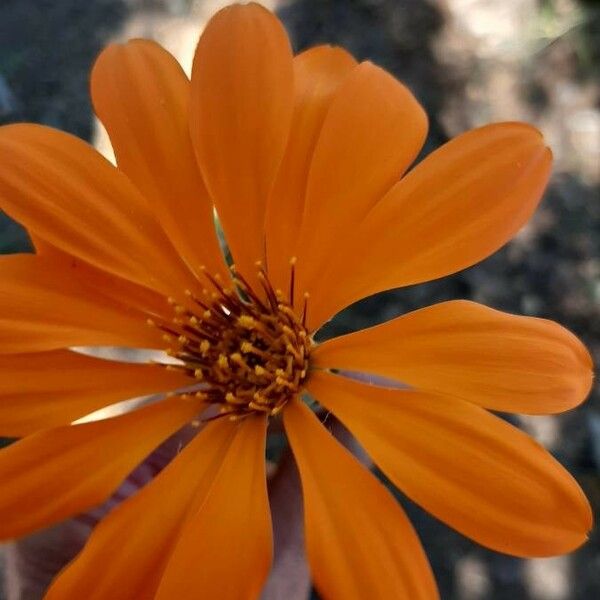
Plant Overview
Known as the "Queen of the Patagonian Andes," Mutisia decurrens is a show-stopping climbing vine that brings a touch of wild South American brilliance to the landscape. Often called the Orange Mutisia, this plant is famous for its vibrant, fiery blooms that seem to float among the branches of other trees. In its native Chile and Argentina, it is a symbol of the rugged beauty of the mountains, often seen weaving through shrubs in rocky, sun-drenched valleys.
🔍 How to Identify
- 🧡 The Flower: Stunning, large daisy-like flower heads (capitula) featuring 10 to 15 long, brilliant orange ray florets that surround a central disk.
- 🌿 The Leaves: The "decurrens" in its name refers to the leaf bases that extend down the stem, creating a winged appearance. Each leaf ends in a delicate, curly tendril used for climbing.
- 🪜 Growth Habit: A semi-woody evergreen vine that uses nearby plants or trellises for support, reaching heights of up to 3-5 meters.
🏡 In Your Garden
- 🧗 The "Cool Feet" Rule: Much like Clematis, this plant loves having its "head in the sun and feet in the shade." It performs best when its roots are kept cool and moist under mulch or rocks, while its vines are allowed to climb toward the sunlight.
- 🏔️ Soil & Drainage: Coming from the Andes, it is adapted to rocky, well-draining soil. It hates "wet feet" and will struggle in heavy clay. It is surprisingly cold-hardy once established, but it prefers a sheltered spot away from harsh, drying winds.
⚠️ Safety & Toxicity
- 🟢 Status: Generally considered non-toxic.
- 🐾 Details: There are no documented cases of Mutisia decurrens being poisonous to cats, dogs, or horses. However, as with many members of the Asteraceae family, the sap can occasionally cause mild skin irritation for people with sensitive skin or ragweed allergies.
✨ Fun Fact
The Mutisia decurrens is so beloved in South America that it was officially named the Provincial Flower of Neuquén in Argentina. It also carries a touch of mystery—despite its beauty, it is notoriously difficult to propagate from cuttings, making it a "trophy plant" for dedicated horticulturalists.

Detailed Care Instructions
To grow Mutisia Decurrens plant, also known as Chilean Blue Trumpet Vine, you can follow these steps:
- Obtain a Mutisia Decurrens plant: You can purchase Mutisia Decurrens seeds or young plants from a local nursery or online gardening stores.
- Choose the right location: Mutisia Decurrens prefers partial shade to full sun. Select a spot in your garden that receives at least 4-6 hours of direct sunlight.
- Prepare the soil: Mutisia Decurrens thrives in well-draining soil. Amend the soil with organic matter such as compost or peat moss to improve its fertility and drainage.
- Planting: Dig a hole in the prepared soil, slightly larger than the root ball of the plant or depth of seeds. Gently place the plant or sow the seeds in the hole and cover it with soil, pressing the soil gently around the plant.
- Watering: Mutisia Decurrens requires regular watering, especially during the hot summer months. Keep the soil evenly moist, but avoid overwatering, which can cause root rot.
- Mulching: Apply a layer of organic mulch, such as wood chips or straw, around the base of the plant to help conserve moisture and suppress weed growth.
- Support: Mutisia Decurrens is a climbing vine that needs support to grow. Install a trellis, fence, or any other suitable structure near the plant to provide support for the vines to grow and climb.
- Pruning: Prune the plant in early spring to control its size and shape. Remove dead or damaged branches and trim back any unruly growth. Regular pruning helps promote new growth and improves flowering.
- Fertilization: Feed Mutisia Decurrens with a balanced, slow-release fertilizer once a year, preferably in early spring. Follow the instructions on the fertilizer package for the proper application and dosage.
- Pest and disease control: Monitor the plant regularly for any signs of pests or diseases such as aphids or powdery mildew. Treat any issues promptly with appropriate organic or chemical remedies.
- Winter protection: Mutisia Decurrens is not frost-tolerant. If you live in a cold climate, provide winter protection by mulching the base of the plant with straw or other organic materials and covering it with a frost cloth or burlap.
By following these guidelines, you can successfully grow Mutisia Decurrens plant and enjoy its beautiful blue trumpet-shaped flowers.

To water this plant, you should first check the soil moisture level - ensure that the topsoil is slightly dry before watering. When watering, it is recommended that you do so at the base of the plant to avoid water on the leaves and stems, which can cause the plant to become diseased. Water deeply and thoroughly, making sure the soil is moistened to the plant's root level. Allow the soil to drain excess water, and ensure the plant pot has adequate drainage to avoid waterlogging. Avoid overwatering as this can lead to root rot and wilting of the plant. It is best to water this plant in the early morning or late evening to reduce evaporation and water loss due to high temperatures.
To properly fertilize Mutisia Decurrens, you should begin by selecting a balanced fertilizer with equal amounts of nitrogen, phosphorus, and potassium. First, water the plant thoroughly to help the roots absorb the nutrients better. Next, apply the fertilizer around the base of the plant, making sure not to get any on the leaves or flowers. Use a general-purpose fertilizer and follow the package instructions for how much to use. Lightly scratch the fertilizer into the soil around the plant and water again afterward. Do not fertilize this plant during the winter months or during periods of drought.
Mutisia Decurrens plant prefers a well-draining soil that is rich in organic matter. It can thrive in a range of soil types, including sandy loam, loamy sand, and clay loam. The soil pH should be slightly acidic to neutral, with a range of 6.0-7.0. It is important to ensure the soil is not too heavy or compact, as this can lead to poor drainage and root rot. Adding peat moss or compost to the soil can improve its texture and nutrient content. It is important to avoid using soils with high salt content, as this can cause damage to the plant. Overall, the soil should have good water retention capacity while being well-draining to prevent the roots from becoming waterlogged.
Propagation of this plant can be done using two methods:
- Seed propagation: Collect seeds from mature Mutisia Decurrens plants in the fall. Clean the seeds and sow them in pots filled with well-draining soil. Cover the seeds with a thin layer of soil and keep them moist. Place the pots in a warm and bright location, and the seeds will germinate within 3 to 4 weeks. Once the seedlings are about 2 inches tall, you can transplant them into individual pots or directly in your garden.
- Stem cutting propagation: Take stem cuttings from a healthy Mutisia Decurrens plant in the spring or summer. Choose a healthy branch with at least 4 to 6 leaves and remove its lower leaves. Dip the cut end into rooting hormone powder and plant it in a pot filled with well-draining soil. Keep the soil moist and water when it starts to dry out. Place the pot in a warm and bright location, and within a few weeks, the cutting will root and start to grow new leaves. Once the plant has established roots, you can transplant it into its permanent location.








