Plant Overview
Known in its native South America as Cambuí, Myrcia multiflora is a delicate, elegant member of the Myrtle family that lives up to its name. "Multiflora" literally translates to "many-flowered," describing the explosion of white, starry blossoms that can almost hide the foliage during peak season. It is a staple of the Brazilian Atlantic Forest, loved for its airy appearance and its ability to transform a corner of the garden into a haven for wildlife.
🔍 How to Identify
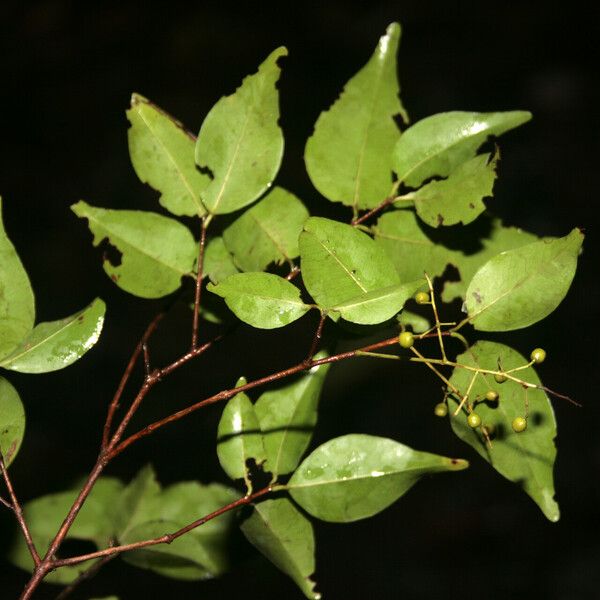
- 🍃 Glossy Foliage: The leaves are small, lance-shaped, and possess a brilliant waxy sheen that makes the plant look vibrant even when not in bloom.
- 🌸 Puffball Blooms: It produces dense clusters of tiny white flowers characterized by long, delicate stamens that give the clusters a soft, "fuzzy" appearance.
- 🍒 Dark Berries: After flowering, the plant develops small, round fruits that transition from green to a deep, polished purple or black when ripe.
🏡 In Your Garden
- 🕊️ Wildlife Sanctuary: If you want to watch birds, this is the plant for you. The berries are a primary food source for various tropical and local bird species, making it a "living bird feeder."
- 💧 Humidity and Hydration: Coming from forest understories, it thrives in high humidity. It prefers soil that remains consistently moist but well-drained; if it dries out too much, it may respond by dropping its glossy leaves to conserve energy.
⚠️ Safety & Toxicity
- ✅ Generally Safe: Myrcia multiflora is not known to be toxic to humans or common household pets like cats and dogs.
- 👶 Berry Caution: While the berries are a hit with birds, always supervise small children around the plant. Small, round fruits can pose a choking hazard, and wild-grown berries should never be consumed without absolute identification.
✨ Fun Fact
In traditional Brazilian medicine, leaves from the Myrcia genus are often referred to as "Insulina Vegetal" (Vegetable Insulin). Scientists have spent years studying the plant's leaves for their potential ability to help naturally manage blood sugar levels.

Detailed Care Instructions








