Plant Overview
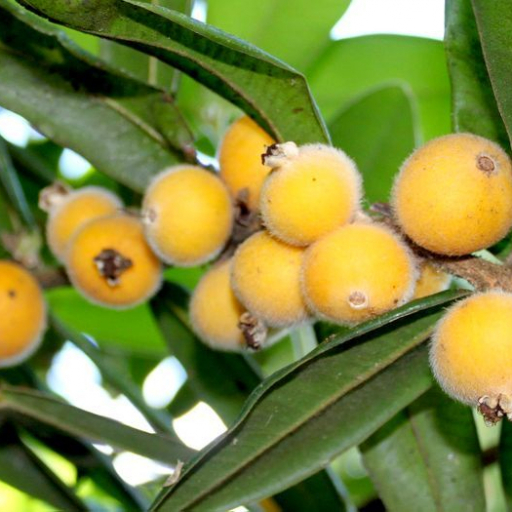
Known as the "Cabeludinha" (Portuguese for "little hairy one"), the Yellow Jaboticaba is a rare and delightful treasure from the Brazilian Atlantic Forest. Unlike its famous purple cousin that grows fruit directly on the trunk, this elegant shrub produces golden, velvet-covered berries nestled among its leaves. It is highly prized by rare fruit collectors for its unique flavor, which many describe as a refreshing blend of pineapple and sweet citrus.
🔍 How to Identify
- 🌿 The Foliage: The leaves are long, narrow, and pointed (lanceolate), growing in opposite pairs with a glossy, deep green finish that gives the plant a sophisticated, ornamental look.
- 🟡 The Fruit: Look for round, bright yellow berries about the size of a cherry. The skin is distinctly fuzzy or "downy," which is its most recognizable trait.
- 🌸 The Blooms: It produces delicate, creamy-white flowers with prominent stamens that look like tiny starbursts tucked into the leaf axils.
🏡 In Your Garden
- 🌱 Soil & Sensitivity: This plant is a fan of "acidic" environments. It thrives in rich, organic soil but can be sensitive to high pH levels, which may turn the leaves yellow. It also possesses a sensitive root system—avoid aggressive repotting or disturbing the soil once it's established.
- 💧 Thirst & Humidity: Coming from the rainforest, the Cabeludinha loves consistent moisture. It doesn't handle drought well and appreciates high humidity. If you live in a dry climate, frequent misting or a pebble tray will keep its leaves from browning at the tips.
⚠️ Safety & Toxicity
- ✅ Status: Generally non-toxic and highly edible.
- 👶 Details: The fruit is safe for human consumption and is exceptionally high in Vitamin C. While there are no specific records of toxicity to cats or dogs, the high acid content in the fruit might cause a mild stomach upset if a pet overindulges.
✨ Fun Fact
The Cabeludinha is one of the fastest-fruiting members of the Myrciaria family! While typical Jaboticabas can take 8 to 10 years to produce fruit from seed, this yellow variety can often begin "paying its rent" with delicious berries in just 3 to 5 years.

Detailed Care Instructions
Myrciaria glazioviana, also known as "yellow jaboticaba," is a species of fruit tree native to Brazil. Here are some tips on how to grow and care for Myrciaria glazioviana plant:
- Climate: Myrciaria glazioviana thrives in tropical and subtropical climates with warm temperatures and high humidity. It can be grown outdoors in USDA hardiness zones 10-11 or indoors in a greenhouse.
- Soil: The plant prefers well-draining, slightly acidic soil with a pH of 5.5-6.5. You can add organic matter such as compost or peat moss to improve soil quality.
- Sunlight: Myrciaria glazioviana requires full sun to part shade to thrive. Make sure it receives at least 6-8 hours of sunlight per day.
- Watering: Keep the soil consistently moist but not waterlogged. Water the plant regularly, especially during the growing season, and reduce watering in the winter months.
- Fertilization: Fertilize Myrciaria glazioviana plant with a balanced fertilizer every 4-6 weeks during the growing season to promote healthy growth and fruit production.
- Pruning: Regular pruning is essential to maintain the shape and size of the plant. Remove any dead or diseased branches and prune to encourage new growth.
- Pest and disease control: Keep an eye out for common pests such as aphids, spider mites, and scale insects. Treat any infestations promptly with insecticidal soap or neem oil. Also, prevent fungal diseases by ensuring good air circulation and avoiding overwatering.
- Fruit production: Myrciaria glazioviana plant typically produces fruit within 2-3 years of planting. The fruit is yellow and similar in appearance to a grape, with a sweet and tangy flavor. Harvest the fruit when it turns a deep yellow color and is soft to the touch.
With proper care and attention to its growing conditions, you can successfully grow Myrciaria glazioviana plant and enjoy its delicious fruit.
Myrciaria Glazioviana plants should be watered regularly to keep the soil consistently moist but not waterlogged. It is important to allow the top inch of soil to dry out slightly between waterings to prevent root rot. Watering frequency will vary depending on factors such as temperature, humidity, and the size of the plant.
When watering, it is best to water the plant at the base to avoid getting the foliage wet, which can lead to disease. Use room temperature water and water until it begins to run out of the drainage holes in the bottom of the pot. Avoid letting the plant sit in standing water as this can promote root rot.
During the growing season, typically spring and summer, you may need to water more frequently, while in the dormant season, usually fall and winter, you can reduce the frequency of watering. Monitor the moisture level of the soil regularly and adjust your watering schedule as needed. Remember to also take into account any environmental factors that may affect the plant's water needs, such as humidity levels and the amount of direct sunlight.
To fertilize the Myrciaria Glazioviana plant, use a balanced fertilizer with equal parts nitrogen, phosphorus, and potassium. Apply the fertilizer in the spring and summer months, following the manufacturer's instructions for the correct amount to use. Avoid over-fertilizing as this can harm the plant. Water the plant after fertilizing to help the nutrients penetrate the soil. It is also advisable to test the soil regularly to ensure the plant is receiving the proper nutrients.
Myrciaria glazioviana plants prefer well-draining, acidic soil with a pH between 4.5 and 6.5. A mixture of organic matter, such as peat moss or compost, can be added to improve the soil structure and provide essential nutrients. It is important to avoid using soil that is too compacted or heavy, as this can impede root growth and lead to issues with water retention. Additionally, adding perlite or sand can help increase drainage and prevent waterlogged conditions, which can be harmful to the plant. Overall, a loose, well-aerated soil mix that is slightly acidic will help promote healthy growth and development for Myrciaria glazioviana plants.
Myrciaria glazioviana can be propagated through various methods, including seed propagation, cutting propagation, and air layering.
Seed propagation involves collecting ripe seeds from the fruit of the plant and sowing them in a well-draining potting mix. Keep the soil consistently moist and provide indirect sunlight to encourage germination.
Cutting propagation involves taking stem cuttings from the plant and placing them in a moist rooting medium, such as perlite or vermiculite. Keep the cuttings in a warm, humid environment with indirect sunlight until roots develop.
Air layering is another method of propagation where a small incision is made on a branch of the plant, and a rooting hormone is applied before wrapping the incision with moist sphagnum moss and plastic wrap. After roots develop, the rooted branch can be cut and planted in a separate pot.
Regardless of the propagation method chosen, it is important to provide the newly propagated plants with appropriate care, including regular watering, fertilization, and protection from harsh environmental conditions.








