Plant Overview
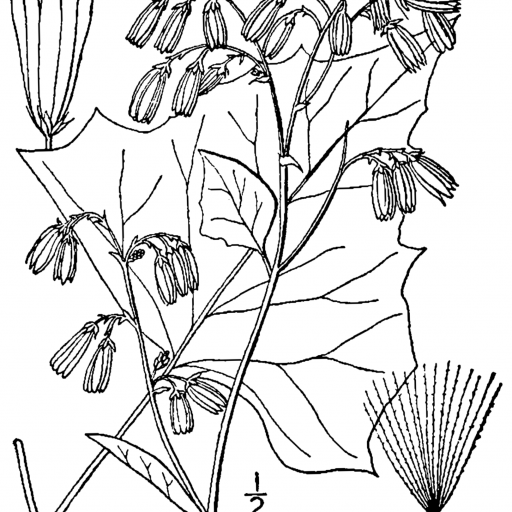
Commonly known as White Rattlesnake Root or Lion's Foot, Nabalus albus is a tall, graceful wildflower that haunts the dappled light of North American deciduous forests. Its common names suggest a fierce nature, but this plant is a peaceful, architectural woodland inhabitant. Historically, it was believed by early settlers to be a potent antidote for venomous snakebites, earning it a permanent place in American folklore.
🔍 How to Identify
- 🦁 The Lion's Foot: The lower leaves are deeply lobed and shaped vaguely like a paw print, which gives the plant its most popular nickname. Interestingly, the leaves change shape as they move up the stem, becoming smaller and less lobed.
- 🔔 Pendulous Flowers: In late summer, it produces clusters of nodding, bell-shaped flowers. These blossoms feature creamy white or soft lavender petals surrounded by deep purplish bracts.
- 💜 Dusty Stems: The tall stalks can reach up to five feet and are often tinged with a deep maroon or purple hue. They are frequently covered in a "glaucous" bloom—a thin, waxy coating that looks like fine white powder.
🏡 In Your Garden
- 🌑 Shade Seeker: Unlike showy garden annuals that crave the sun, this plant thrives in the "quiet" spots of the yard. It is an ideal candidate for a native woodland garden where it can enjoy filtered sunlight and rich, leafy soil.
- 🧘 The Deep Taproot: Patience is key with the Rattlesnake Root. It develops a substantial taproot that makes it quite resilient once established, but this also means it hates being moved. Choose its "forever home" carefully to avoid transplant shock.
⚠️ Safety & Toxicity
- 🥛 Milky Latex: If a stem is broken, the plant bleeds a bitter, white milky sap. While not considered deadly, this sap contains compounds that can cause mild skin irritation or contact dermatitis in sensitive gardeners.
- 🐾 Pet & Child Safety: While there is no evidence of high toxicity, the bitter taste usually prevents accidental ingestion. However, as a precaution, it is best to discourage pets or children from foraging on the foliage or roots.
✨ Fun Fact
The flowers of the White Rattlesnake Root are "downward-facing" for a reason! This specialized shape protects the nectar from being diluted by rain, ensuring a high-quality meal for the bumblebees and long-tongued moths that are its primary pollinators.

Detailed Care Instructions
To grow Nabalus Albus, also known as white rattlesnake root, follow these steps:
- Choose a well-draining location: Nabalus Albus prefers a sunny or partially shaded spot in the garden with well-draining soil. Amend heavy clay or sandy soil with organic matter to improve drainage.
- Select healthy plants or seeds: Purchase Nabalus Albus plants from a reputable nursery or collect seeds from mature plants in the wild. If starting from seeds, follow the packet instructions for ideal planting time and any pre-germination treatments.
- Planting: If planting seeds directly, sow them in the prepared soil at the recommended depth. If using plants, dig a hole slightly wider and deeper than the root ball and gently place the plant in it. Backfill with soil, tamping it lightly to remove air gaps. Space individual plants about 12 inches apart.
- Watering: Keep the soil evenly moist but not waterlogged. Water the plants deeply, allowing the water to penetrate the root zone. During hot and dry weather, provide regular watering to prevent the soil from drying out completely.
- Mulching: Apply a layer of organic mulch around the base of the plants to help retain moisture, suppress weeds, and moderate soil temperatures. Use materials such as wood chips, straw, or compost, ensuring the mulch does not touch the stem.
- Fertilization: Nabalus Albus typically grows well without the need for excessive fertilization. However, a balanced, slow-release fertilizer can be applied according to package instructions if desired.
- Pruning: Regularly remove any dead or damaged leaves or stems to maintain the plant's vigor. Prune back the entire plant in late fall or early spring to encourage new growth.
- Pest and disease control: Nabalus Albus is generally resistant to pests and diseases. However, keep an eye out for common garden pests like aphids, snails, or slugs. Handpick or use organic pest control methods if necessary.
- Propagation: Nabalus Albus can be propagated through both seeds and division. To divide the plant, carefully lift it from the ground, separate the root clumps, and replant them using the same instructions as planting new plants.
- Winter care: In colder regions, Nabalus Albus may require protection from frost. Apply a layer of mulch around the base of the plant to insulate the roots and cover the area with a frost cloth or burlap if temperatures drop significantly.
By following these steps, you should be able to successfully grow Nabalus Albus in your garden.

Place in a window with dappled sun or a spot in the middle of a room. Or directly in a window facing west or east.

The plant in question requires regular watering to survive, especially during dry periods. When watering, it is important to water deeply enough to allow the water to reach the roots, which may be several inches below the surface. This can be accomplished by watering slowly and allowing the soil to absorb the water rather than simply watering quickly and moving on. During periods of hot weather or drought, the plant may require more frequent watering to prevent wilting or drying out. However, care should be taken not to overwater, as this can also be detrimental to the plant's health. It is important to monitor the soil moisture level and adjust watering frequency as needed, based on the plant's individual needs and environmental conditions. Finally, it may be helpful to mulch around the plant to help retain moisture in the soil and reduce the need for frequent watering.
For best results, fertilize this plant once a year in early spring before new growth appears. Use a balanced fertilizer with equal parts nitrogen, phosphorus, and potassium. Apply the fertilizer at the base of the plant and water thoroughly afterward. Avoid over-fertilizing, as this can lead to excessive vegetative growth and reduce flower production.
The ideal soil for Nabalus Albus should be well-draining, loamy, and nutrient-rich. It should have a pH level between 6.0 and 7.5. The soil should be able to retain moisture while also allowing excess water to escape to prevent the roots from becoming waterlogged. The plant prefers soil that is slightly acidic. It can tolerate various soil types, including sandy, clay, and rocky soils. Additionally, it is recommended to mix organic matter like compost or aged manure into the soil before planting to provide additional nutrients.
To propagate this plant, you will need to identify mature healthy plants. You can then collect the seeds once they have ripened on the plant, which is usually towards the end of summer or early fall. The seeds can be obtained by carefully removing the seed heads from the plant, making sure to collect as many as possible.
After harvesting the seeds, you can then plant them in a well-draining soil medium. It is important to avoid soil that retains too much moisture as excessive moisture can lead to root rot, which can damage or destroy the plant. The ideal soil pH for Nabalus Albus plants is between 6.0 to 7.5, so ensure to use soil with this pH range.
Once planted, the seeds should be kept moist and placed in an area with moderate light until they germinate. This could take anywhere from a few days to a few weeks depending on the environment and the seed quality. After germination, seedlings should be planted in a larger pot or outdoors, depending on your intended use of the plant.
Nabalus Albus can also be propagated by stem cuttings. When harvesting stem cuttings, select healthy stems from mature plants and make sure the cutting is at least five inches long. Remove the leaves on the lower half of the cutting, then dip in rooting hormone powder to stimulate root formation. Plant the cutting in a well-drained soil and keep the soil moist until the roots have developed.
Propagation by division is also possible in more mature Nabalus Albus plants with multiple shoots. Carefully dig out the plant, separating the clump of shoots and replanting them into individual pots or in the ground. Ensure to water the newly transplanted shoots well to help establish the roots.








