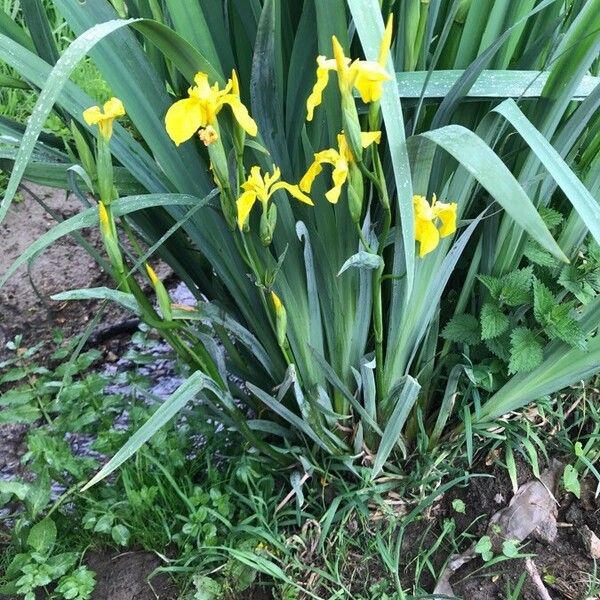
Plant Overview
Known as the Two-colored Daffodil, Narcissus bicolor is a classic herald of spring that brings a striking contrast to the garden. Unlike the uniform yellow of many traditional daffodils, this heirloom variety features creamy-white outer petals that frame a bold, golden-yellow trumpet. It has been a favorite in European gardens for centuries, prized for its reliable blooms and its ability to "naturalize," or spread gracefully across a lawn or woodland edge.
🔍 How to Identify
- 🌼 The Contrast: Look for the "bicolor" effect—the surrounding petals (perianth) are a pale cream or white, while the central tube (corona) is a deep, vibrant yellow.
- 🍃 Foliage: The leaves are long, strap-like, and "glaucous," meaning they have a waxy, blue-green coating that helps them shed water.
- 📏 Stature: It typically stands about 12 to 15 inches tall, with a sturdy, hollow stem that supports a single, nodding flower head.
🏡 In Your Garden
- 🌱 The "Dormancy" Rule: After the flowers fade, resist the urge to trim the leaves! The plant uses those green leaves to photosynthesize and "recharge" the bulb for next year. Only cut them back once they have turned completely yellow.
- 💧 Bulb Safety: This plant thrives in well-draining soil. If the ground stays soggy during the winter, the bulbs are prone to rotting before they ever have a chance to bloom.
- ⏳ Longevity: Narcissus bicolor is a fantastic investment for lazy gardeners. Once established, these bulbs can live for decades, often outliving the people who planted them.
⚠️ Safety & Toxicity
- 🚫 Toxic Status: All parts of the plant are toxic if ingested.
- 🐾 Pets & Kids: The bulbs and leaves contain a chemical called lycorine. If chewed by curious cats, dogs, or toddlers, it can cause severe stomach upset, vomiting, and drooling.
- 🖐️ Skin Irritation: Gardeners often experience "Daffodil Itch," a mild skin rash caused by the calcium oxalate crystals found in the plant's sap. It is best to wear gloves when cutting the stems for bouquets.
✨ Fun Fact
The name Narcissus comes from the Greek myth of a young man who fell so deeply in love with his own reflection in a pool of water that he eventually withered away. The gods turned him into this flower so he could continue to lean over and "look" at his reflection by the water's edge forever!

Detailed Care Instructions
To grow Narcissus bicolor (Bicolor daffodil) plants, follow these steps:
- Choose a suitable location: Bicolor daffodils prefer well-drained soil and a location that receives full sun or partial shade. Ensure the soil is loose and has good drainage.
- Plant the bulbs: Plant the Narcissus bicolor bulbs in autumn, around 4 to 6 weeks before the ground freezes. Dig a hole about 6 inches deep and place the bulb pointed side up, covering it with soil. Space the bulbs about 4 to 6 inches apart.
- Watering: Keep the soil moist but not waterlogged during the growing season. Avoid overwatering, as it may cause the bulbs to rot. Reduce watering once the foliage starts to die back.
- Fertilization: Before planting the bulbs, add some organic matter or well-balanced fertilizer or bulb food to the soil. This will provide essential nutrients for the bulbs to grow. Apply fertilizer again in early spring when the shoots start to emerge.
- Mulching: Apply a layer of mulch around the plants to help retain moisture, suppress weed growth, and regulate soil temperature.
- Care: Remove spent flowers to prevent seed formation and encourage more blooms. Allow the foliage to die back naturally after flowering, as this provides nutrients for next year's growth.
- Pests and diseases: Bicolor daffodils are generally resistant to most pests and diseases but keep an eye out for slugs, snails, and bulb rot. Use appropriate methods to control these issues if they arise.
- Dividing and propagation: After a few years, when the bulbs become crowded, you can dig them up and divide them. This promotes healthier growth and more flowers. Dig up the bulbs after the foliage becomes yellow and dry. Separate the offsets, which are the small bulbs attached to the main bulb, and replant them at the desired spacing.
By following these steps, you should be able to grow Narcissus bicolor plants successfully and enjoy their beautiful flowers in spring.

Place in a bright room that is sun drenched almost all day. Or directly in a south-facing window.

To provide sufficient water for the Narcissus Bicolor plant, it is important to follow some specific guidelines:
1. Soil Moisture: The soil should be consistently moist but not waterlogged. Aim for a balance where the plant can absorb water and nutrients without sitting in excessive moisture.
2. Watering Schedule: Water the plant regularly, providing enough moisture without causing waterlogging. The frequency will depend on various factors such as the plant's age, pot size, and environmental conditions.
3. Water Quality: Use lukewarm or room temperature water to avoid shocking the roots. If possible, use filtered or distilled water to avoid any potential buildup of chemicals or contaminants in the soil.
4. Watering Technique: Rather than pouring water directly onto the plant, aim to water the soil around the base of the plant. This helps prevent water from accumulating on the leaves, which may lead to fungal diseases.
5. Proper Drainage: Ensure that the pot or planting area has adequate drainage holes. Excess water should be able to flow out easily, preventing the roots from sitting in stagnant water.
6. Observation: Monitor the plant's moisture needs by observing the top layer of soil. If it feels dry to the touch, it's a sign that the plant requires watering. However, if the soil feels damp, it's best to wait a bit longer before watering again.
7. Seasonal Adjustments: During periods of active growth, such as spring and early summer, the plant may require more frequent watering. In contrast, during dormancy or winter months, the watering frequency can be reduced to prevent overwatering.
Remember, these guidelines may vary slightly depending on the specific environmental conditions and growing conditions of your Narcissus Bicolor plant. Regular monitoring, adjusting watering practices accordingly, and observing the plant's overall health will help ensure its proper hydration.
To fertilize the Narcissus Bicolor plant, follow these instructions:
- Begin fertilizing in early spring, just as new growth starts to emerge.
- Choose a well-balanced, slow-release fertilizer with equal proportions of nitrogen, phosphorus, and potassium.
- Dilute the fertilizer according to the package instructions, usually at a rate of 1 tablespoon per gallon of water.
- Water the plant thoroughly before applying the fertilizer to help prevent burning the roots.
- Carefully pour the diluted fertilizer mixture around the base of the plant, ensuring it reaches the root zone.
- Avoid getting the fertilizer on the foliage or flowers, as this could cause damage.
- Repeat the fertilizer application once every four to six weeks throughout the growing season, up until late summer.
- As the plant starts to prepare for dormancy in late summer or early fall, discontinue fertilizing to allow it to enter its natural growth cycle.
Remember to always read and follow the specific instructions provided on the fertilizer packaging for best results.
Narcissus Bicolor plant, also known by its scientific name, belongs to the family Amaryllidaceae and is characterized by its vibrant and eye-catching flowers. In order to ensure optimal growth and development, it is crucial to choose the right type of soil for this plant.
Ideal soil for Narcissus Bicolor should be well-draining, as excessive moisture can lead to root rot. It should have a balanced texture, with a mix of both clay and sand. This allows for proper water retention while offering sufficient aeration to the plant's roots.
The pH level of the soil should be slightly acidic to neutral, ranging from about 6.0 to 7.0. This ensures that the plant can absorb necessary nutrients from the soil effectively.
Adding organic matter, such as compost or well-rotted manure, can greatly benefit the Narcissus Bicolor plant. Organic matter enriches the soil, improves its texture, and enhances its nutrient-holding capacity, thus promoting healthy growth.
It is important to note that narcissus plants prefer slightly cooler soil temperatures, which helps facilitate proper root development. Therefore, placing a layer of mulch around the plant can help regulate soil temperatures and conserve moisture.
In summary, the Narcissus Bicolor plant thrives in well-draining soil with a balanced texture and slightly acidic to neutral pH levels. Adding organic matter and mulch further enhances the soil's quality, promoting optimal growth and overall plant health.
To propagate Narcissus Bicolor, follow these steps:
- Select a healthy parent plant: Choose a mature Narcissus Bicolor plant with strong, disease-free bulbs.
- Choose the right time for propagation: The best time for propagation is during the dormant period, which is usually in late summer or early autumn.
- Prepare the soil: Narcissus Bicolor prefers well-draining soil with moderate fertility. Prepare a planting site by loosening the soil and removing any weeds or debris.
- Dig up the bulbs: Gently lift the parent bulbs from the ground, being careful not to damage any roots attached to them.
- Separate bulbs: Examine the bulbs and gently separate any offsets or bulbils attached to the main bulb. These smaller bulbs are the propagules that will grow into new plants.
- Handle the bulbils with care: The bulbils are fragile, so handle them gently to avoid any damage.
- Prepare propagation containers: Fill small pots or trays with a well-draining soil mix. Make sure to make a small hole in the soil for each bulbil.
- Plant the bulbils: Place each bulbil in individual holes, ensuring that the pointed end is facing upwards. Cover them with soil, leaving a shallow depression on top.
- Provide appropriate care: Water the newly planted bulbils thoroughly, but avoid overwatering to prevent rot. Place the containers in a partially shaded area, as direct sunlight can be too intense.
- Monitor progress: Keep an eye on the developing bulbils, ensuring they receive proper care and moisture. Remove any weeds that may compete for nutrients or space.
- Transplanting: After a few months, when the bulbils have developed strong roots and shoots, they can be transplanted into their permanent location. Choose a well-draining area with enough sunlight for optimum growth.
- Care for the new plants: Provide regular watering, especially during dry periods, and protect the young plants from extreme temperatures or diseases.
By following these steps, you can successfully propagate Narcissus Bicolor and enjoy the beauty of this plant in your garden.








