Plant Overview
Known as the "Moujean Tea" or "Bahama Berry," this tiny-leaved shrub is a Caribbean treasure. It smells like a tropical vacation, releasing a potent, sweet aroma of pineapple and citrus whenever the foliage is brushed or watered. While it looks like a delicate miniature, it is a vigorous grower that has become a "holy grail" species for bonsai enthusiasts worldwide.
🔍 How to Identify
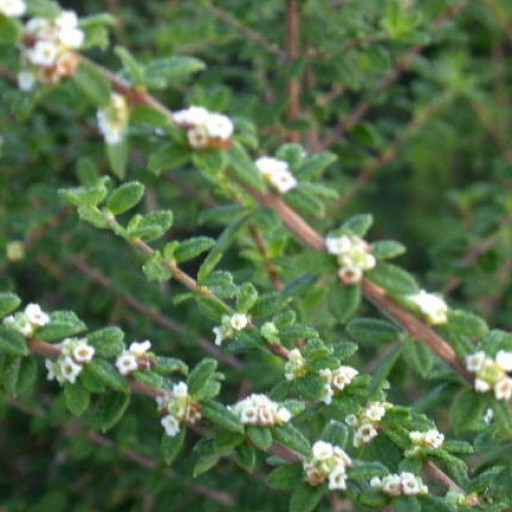
- 🌿 Miniature Foliage: The leaves are incredibly small (rarely exceeding half an inch), shiny, and have a distinctively crinkled or "bubbly" texture that makes them look like tiny green topographical maps.
- 🌸 Hidden Blooms: It produces tiny, inconspicuous creamy-white flowers that grow in tight clusters, often tucked away in the leaf axils.
- 🟠 Bright Berries: Following the flowers, it develops small, round, reddish-orange berries that add a pop of color against the dark green canopy.
🏡 In Your Garden
- 💧 The "Never Dry" Rule: This plant is a notorious "drama queen" regarding moisture. Unlike many woody shrubs, it has zero tolerance for drought; if the soil dries out completely even once, it may drop every leaf in protest. It prefers to stay consistently damp.
- ☀️ Tropical Cravings: Native to the heat of the Bahamas, it requires intense sunlight and high humidity to thrive. If kept indoors, it often needs a humidity tray or a frequent misting schedule to prevent the leaf tips from browning.
⚠️ Safety & Toxicity
- 🍵 Edible Heritage: The plant is generally considered non-toxic to humans. In its native Caribbean islands, the leaves are traditionally dried and steeped to create a fragrant, citrusy herbal tea.
- 🐾 Pet Safety: There are no documented reports of high toxicity for cats or dogs, but because it is rich in essential oils (which provide the scent), ingesting large amounts could cause minor stomach upset in curious pets.
✨ Fun Fact
Despite its tiny leaves, Nashia inaguensis is one of the most fragrant plants in the botanical world. A single small specimen can perfume an entire room with the scent of ripening pineapples, especially after a light misting of water!

Detailed Care Instructions
| Humidity | High |
| Lighting | Full Sun |
| Difficulty | Medium |
| Hibernation | Cold Period |
| Temperature | 21°C - 32°C |
| Hardiness Zones | 10 - 11 |
To grow the Nashia inaguensis plant, also known as the Jamaica Horn, follow these steps:
- Choose an appropriate location: Nashia inaguensis plants need a sunny spot with at least six hours of direct sunlight per day. Ensure the area has well-drained soil.
- Prepare the soil: Before planting, prepare the soil by loosening it and adding organic matter. This will improve drainage and provide essential nutrients.
- Planting: Dig a hole slightly larger than the root ball of your Nashia inaguensis plant. Place the plant in the hole, making sure the top of the root ball is level with the soil surface. Backfill the hole with soil, firming it gently around the plant to eliminate air pockets.
- Watering: After planting, water the Nashia inaguensis thoroughly to settle the soil. Water regularly to keep the soil moist, but avoid overwatering, as this can lead to root rot. Maintain a water schedule of 1-2 inches of water per week during the growing season.
- Mulching and weed control: Mulch around the base of the plant to conserve moisture, suppress weed growth, and regulate soil temperature. Apply a layer of organic mulch, such as wood chips or straw, to a depth of 2-3 inches, keeping the mulch a few inches away from the plant's stem to prevent rotting.
- Fertilization: Nashia inaguensis plants generally don't require frequent fertilization. However, you can apply a slow-release fertilizer in spring or use a balanced water-soluble fertilizer diluted according to the packaging instructions once a month during the growing season.
- Pruning: Regularly prune your Nashia inaguensis plant to maintain its shape and promote bushier growth. Pruning also encourages the growth of new leaves and reduces the chances of disease.
- Pest and disease control: Monitor your plant regularly for any signs of pests such as aphids, scales, or spider mites. If an infestation occurs, treat with an appropriate insecticide or apply insecticidal soap. Additionally, watch out for common diseases like powdery mildew or root rot. Proper watering and good air circulation can help prevent these issues.
- Propagation: Nashia inaguensis plants can be propagated through stem cuttings. Take a cutting with a clean, sharp knife from a healthy parent plant. Remove any leaves from the lower part of the stem and dip it in rooting hormone. Plant the cutting in a well-draining potting mix and keep it moist until roots develop.
By following these steps, you can successfully grow Nashia inaguensis plants and enjoy their aromatic leaves and small white flowers.

Place in a window with dappled sun or a spot in the middle of a room. Or directly in a window facing west or east.

To water this plant, it is important to first assess the soil moisture level by sticking a finger about an inch deep into the soil. If it feels dry, it is time to water the plant. Use a watering can or hose with a gentle stream to moisten the soil thoroughly, but avoid over-watering to prevent root rot. It is also important to allow the soil to dry out between watering to promote healthy root growth. Additionally, the plant may require more frequent watering during hot and dry weather.
To fertilize this plant, use a balanced fertilizer with equal proportions of nitrogen, phosphorous, and potassium. Apply the fertilizer once per month during the growing season, which is typically from spring to fall. Mix the fertilizer with water and distribute it evenly around the base of the plant. Avoid getting fertilizer on the leaves or stems of the plant. Water the plant thoroughly after fertilization to ensure that the nutrients are absorbed by the roots.
For Nashia Inaguensis, it is recommended to use a soil that is well-draining and has good aeration. The ideal pH for this plant is slightly acidic, between 6.0 and 6.5.
A good soil mix for Nashia Inaguensis could include a blend of peat moss, perlite, and vermiculite to create a lightweight and well-draining soil. Organic matter such as compost or coconut coir can also be added to improve soil structure and nutrient availability.
It is important to avoid heavy, dense soils that can retain too much moisture and cause root rot. Additionally, adding a layer of mulch around the base of the plant can help to conserve soil moisture and regulate temperature.
To propagate this plant, start by taking stem cuttings in the early spring when the plant is actively growing. Choose healthy stems without any signs of damage or disease, and make a clean, angled cut just below a leaf node.
Remove the lower leaves from the stem cutting, leaving only a few leaves on the top. Dip the cut end of the stem into a rooting hormone to promote growth, and then plant it in a pot filled with moist, well-draining soil.
Cover the pot with a plastic bag or clear plastic wrap to create a mini greenhouse. Place the pot in a location that receives bright, indirect light but avoid direct sunlight.
Keep the soil moist but not overly wet, and mist the cutting regularly to maintain humidity inside the plastic cover. After 4-6 weeks, check for roots by gently tugging on the stem. If there is resistance, roots have formed, and the cutting can be removed from the plastic cover and cared for as a mature plant.
Common pests of the bahama cherry include Scale insect, mealybugs, spider mites. Make a habit of checking your bahama cherry frequently for pests so that any infestations can be caught and managed early.








