Plant Overview
Known as the Bongkol or Bangkal, this Southeast Asian native is a moisture-loving marvel that looks like it stepped straight out of a prehistoric jungle. Often found hugging the muddy banks of rivers in Indonesia and Malaysia, it is cherished for its lush, architectural canopy. In its native lands, it’s not just a tree; it’s a traditional medicine cabinet and a vital part of the riparian ecosystem.
🔍 How to Identify
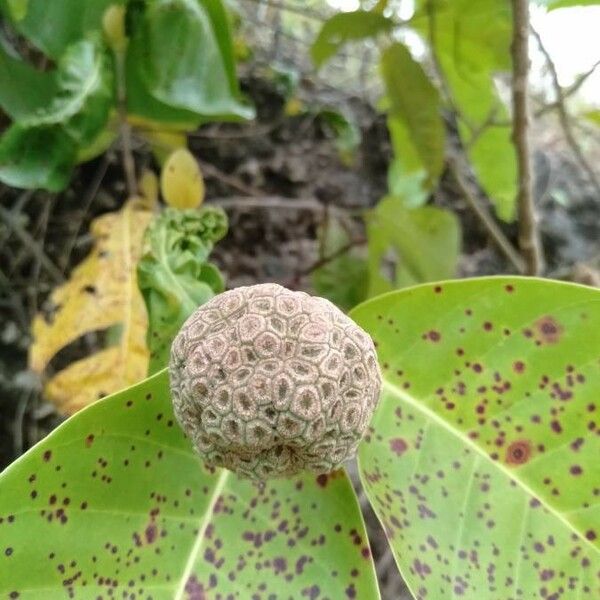
- 🌸 Pincushion Blooms: The most striking feature is the perfectly spherical, yellow-to-orange flower heads that resemble organic "disco balls" or pincushions.
- 🍃 Giant Oval Leaves: It sports large, glossy green leaves with deep, prominent veins that grow in opposite pairs, creating a dense and heavy look.
- 🪵 Fissured Bark: The trunk features a grayish-brown bark that becomes deeply textured and cracked as the tree matures, often turning a rich reddish-hue underneath.
🏡 In Your Garden
- 💧 The Water Lover: This isn't a plant for the "forgetful waterer." It is a riparian species, meaning it naturally grows near water. It thrives in boggy, wet soil and can even handle occasional flooding.
- 🚀 Rapid Growth: Because it loves nutrients and water, it grows surprisingly fast. If you are planting it in a landscape, ensure it has plenty of vertical and horizontal space to expand its massive crown.
⚠️ Safety & Toxicity
- ✅ Low Risk: Nauclea subdita is generally considered non-toxic to humans and common household pets through casual contact.
- 💊 Medicinal Caution: While the bark and leaves contain tannins and are used in traditional folk medicine to treat stomach ailments, they should never be consumed or used as a home remedy without expert pharmacological advice.
✨ Fun Fact
🐝 The 360-Degree Landing Pad: The unique spherical shape of the Bongkol flower isn't just for show; it allows pollinators like bees and butterflies to land from any direction, ensuring maximum pollination efficiency for the tree!

Detailed Care Instructions








