Plant Overview
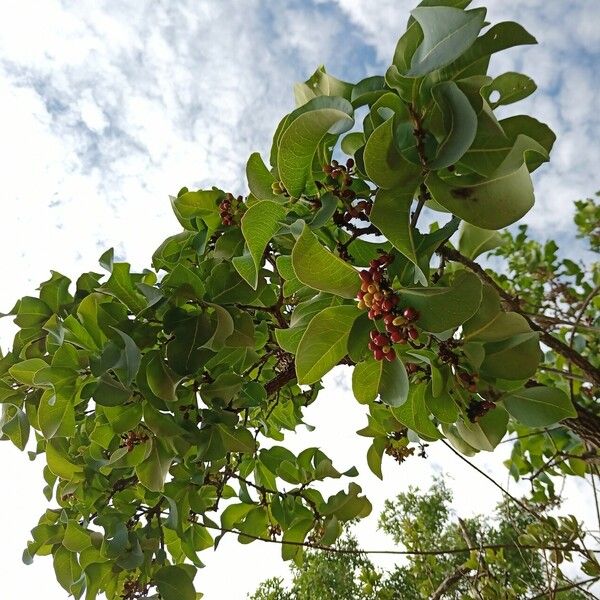
Known affectionately in its native Brazil as the "Tea of the Forest," Neea theifera is a sophisticated evergreen shrub that feels like a piece of the Amazonian understory brought to life. While its name suggests a connection to traditional tea (Camellia sinensis), this plant is a unique member of the Four-O'Clock family. It is prized by collectors for its elegant, layered growth and the striking transition of its colorful berries.
🔍 How to Identify
- 🍃 Glossy Foliage: The leaves are lance-shaped, smooth, and possess a deep, waxy luster that helps them shed heavy tropical rainwater.
- 🌸 Subtle Blooms: It produces clusters of tiny, tubular flowers that are often overlooked, as they tuck themselves quietly among the branches.
- 🍒 Jewel-Like Fruit: The most recognizable feature is the fruit; small, oblong berries that change color as they ripen, shifting from a pale green to a vibrant pinkish-red, and finally to a deep, dark purple.
🏡 In Your Garden
- 💧 Humidity Lover: Originating from the humid forests of South America, this plant thrives in "steamy" environments. If kept indoors, it appreciates a pebble tray or a frequent misting to mimic the damp forest floor.
- 🌱 Root Sensitivity: Neea theifera can be a bit dramatic when repotted. It prefers to have its roots undisturbed and thrives in a rich, organic potting mix that stays moist but never "swampy."
- ⛅ Dappled Light: In the wild, it lives under the canopy of giants. In a home or garden setting, it performs best in bright, indirect light—direct midday sun can scorch its delicate, glossy leaves.
⚠️ Safety & Toxicity
- 🟢 General Status: Generally considered non-toxic to humans and common household pets.
- ✋ Handle with Care: While not poisonous, it is always best to keep decorative berries out of reach of curious toddlers and pets to avoid any potential digestive upset or choking hazards.
- 🍵 The "Tea" Clarification: Despite the name theifera (meaning "tea-bearing"), it is not the source of commercial black or green tea. Always consult an ethnobotanist before attempting to brew any wild or ornamental plant.
✨ Fun Fact
The Neea genus is part of a unique group of plants where the "petals" of the flowers are actually sepals that have evolved to look like petals—a clever botanical trick to attract pollinators in the dim light of the rainforest floor!

Detailed Care Instructions







