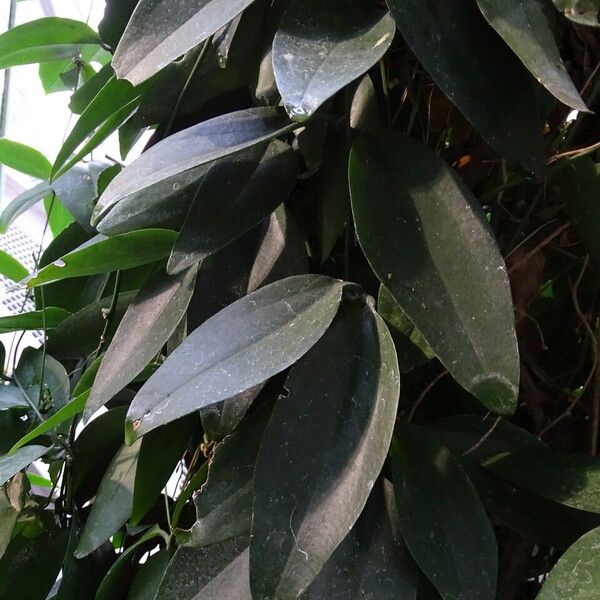
Plant Overview
Often called the "Climbing Gourd Vine" or simply "Neo," Neoalsomitra sarcophylla is a rare botanical treasure for those who love geometric patterns. Native to the humid forests of Southeast Asia, this plant acts like a hybrid between a delicate ivy and a sturdy succulent. It is prized by collectors for its "two-ranked" leaf growth, which makes the vine look like a perfectly symmetrical green ladder.
🔍 How to Identify
- 🍃 Heart-Shaped Foliage: The leaves are distinctively heart-shaped (cordate), thick, and rubbery, indicating their ability to store water.
- 🧬 Geometric Alignment: Unlike many vines that grow wildly, its leaves emerge in a strict, alternating flat plane, giving the vine a flattened, architectural appearance.
- 🎗️ Spring-Like Tendrils: Look for thin, wiry tendrils that curl like telephone cords; these are the plant’s "hands," used to grip onto branches or trellises.
🏡 In Your Garden
- 🪜 The Need to Climb: While it is often sold in hanging baskets, this plant is a natural-born climber. Providing a small trellis or a moss pole will result in much faster growth and larger, healthier leaves compared to letting it trail downward.
- ☀️ Light & Texture: The "sarcophylla" part of its name literally means "fleshy leaves." This succulent nature means it thrives in bright, indirect light but can scorch in direct afternoon sun. If the leaves feel soft or wrinkled, it’s often a sign that its internal water tanks are running low.
- 🪵 Caudex Development: With extreme patience and age, the base of the plant can become woody and swollen (a caudex), making it a favorite for "fat plant" enthusiasts and bonsai growers.
⚠️ Safety & Toxicity
- 🐾 General Precaution: While not listed as a high-risk poison, Neoalsomitra belongs to the gourd family, many of which contain bitter compounds that can cause stomach upset.
- 👶 Keep Out of Reach: Because of its long, dangling vines, it is a tempting "toy" for pets and toddlers. Keep it elevated to prevent accidental ingestion or the plant being pulled off a shelf.
✨ Fun Fact
A close relative of this plant, Alsomitra macrocarpa, produces the largest winged seeds in the world. These seeds are so aerodynamic that they inspired the wing designs of early 19th-century glider pioneers and aviation engineers!

Detailed Care Instructions
To grow a Neoalsomitra Sarcophylla plant, also known as the Impatiens necrotica, follow these steps:
- Purchase seeds or a small plant from a reputable nursery or online seller. This plant is not commonly found in traditional garden centers, so you may need to do some research to find a reliable source.
- Choose a suitable location for the plant. Neoalsomitra Sarcophylla prefers partly shaded areas or filtered sunlight. Avoid direct sunlight as it can scorch the leaves. This plant also requires a humid environment, so placing it near a bathroom or kitchen can help provide the necessary moisture.
- Prepare a well-draining pot or container with a good quality potting mix. Make sure the container has drainage holes to prevent waterlogging.
- Plant the seeds or young plant in the container, following the instructions provided with the seeds or pot. Gently cover the seeds with a thin layer of soil and tamp it down lightly.
- Water the plant regularly to keep the soil moist but not waterlogged. Avoid overwatering, as it can lead to root rot. Mist the leaves with water daily to maintain humidity.
- Maintain a warm temperature of around 70-80°F (21-27°C) for optimal growth. Keep the plant away from drafts and cold temperatures.
- Fertilize the Neoalsomitra Sarcophylla plant every two weeks during the growing season with a balanced, water-soluble fertilizer. Follow the instructions on the fertilizer packaging for the correct dosage.
- Prune the plant to promote bushy growth and remove any dead or yellowing leaves. This will also prevent the plant from becoming overly leggy.
- Watch out for pests such as aphids, spider mites, or whiteflies. If you notice any infestation, treat the plant with an appropriate insecticide or try using organic pest control methods.
- Finally, be patient, as Neoalsomitra Sarcophylla can take some time to establish and reach its full potential. With proper care and maintenance, you should be able to enjoy the beautiful blooms of this unique plant.

Place in a bright room that is sun drenched almost all day. Or directly in a south-facing window.

To properly water this particular plant, it is important to consider factors such as the soil composition, drainage, and environmental conditions. The plant should be watered regularly, but not excessively, with a sufficient amount of water that allows the soil to become slightly moist.
Before watering, it is important to check the soil moisture level, which can be done by inserting a finger into the soil. If the soil feels dry, it is time to water. However, if the soil feels moist, it is best to wait a few days before watering again.
When watering, it is important to ensure that the water reaches the roots of the plant, which can be achieved by watering the soil directly and avoiding wetting the leaves. Additionally, it is important to ensure that the water is able to drain out of the pot or container, as waterlogged soil can damage the plant's roots.
It is also important to consider environmental conditions, such as temperature and humidity, as these can impact the plant's water needs. For example, during hot and dry weather, the plant may require more frequent watering, whereas in cooler and more humid conditions, watering may be less frequent.
Overall, proper watering practices are essential for the health and growth of Neoalsomitra Sarcophylla, and it is important to monitor the plant's needs regularly to ensure it receives the appropriate amount of water.
- Use a balanced fertilizer with equal amounts of nitrogen, phosphorus, and potassium.
- Mix the fertilizer with water in recommended proportions.
- Apply the fertilizer mixture to the plant's soil once a month during the growing season.
- Avoid over-fertilizing, as this can cause damage to the plant.
- Water the plant immediately after fertilizing to prevent salt buildup in the soil.
- Monitor the plant for signs of nutrient deficiencies or excesses and adjust fertilization accordingly.
The ideal soil for Neoalsomitra Sarcophylla plant should be well-draining and rich in nutrients. It should have a pH level of neutral to slightly acidic. A soil mix that includes components such as perlite, vermiculite, peat moss, and organic matter would be beneficial for the plant’s growth. The soil should be kept moist but not waterlogged, and it’s important to avoid over-fertilizing the plant to prevent root burn.
To propagate this plant, start by collecting ripe seeds from the fruit capsules. Remove the outer layer of the capsule and extract the seeds. Rinse them in water to remove any remaining fruit flesh and allow them to dry for a few days.
Next, prepare a well-draining soil mix and fill small pots with the soil. Make a small hole in the soil and place a seed in each pot, covering it with a thin layer of soil. Water the pots well and cover them with plastic wrap to create a humid environment. The seeds should germinate within two to four weeks.
Once the seedlings have developed two to four leaves, they can be transplanted into larger pots or directly into the ground. Provide them with plenty of bright, indirect light and keep the soil consistently moist but not waterlogged. In a few years, the plant will mature and start producing fruit capsules, enabling you to repeat the propagation process.
Common pests of the neoalsomitra sarcophylla include Mealybugs, spider mites, aphids. Make a habit of checking your neoalsomitra sarcophylla frequently for pests so that any infestations can be caught and managed early.








