Plant Overview
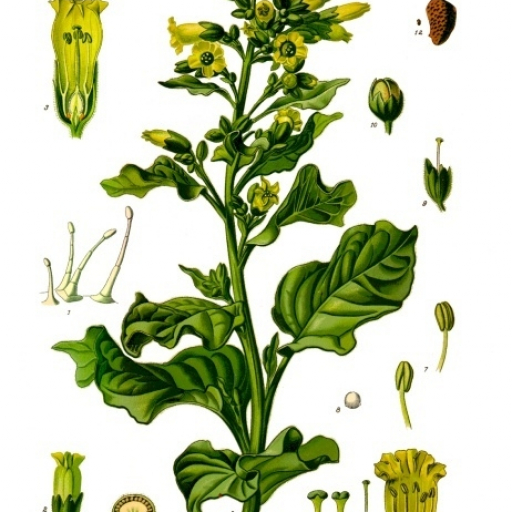
Known as Mapacho, Aztec Tobacco, or Wild Tobacco, Nicotiana rustica is a potent ancestor of the modern tobacco plant. Originating in the rainforests of South America, it has traveled across continents for centuries, revered by indigenous cultures for its use in shamanic rituals and traditional medicine. It is much hardier and far more "wild" in appearance than the tobacco used in commercial industries.
🔍 How to Identify
- 🍃 The Leaves: Large, fleshy, and heart-shaped. They are a deep forest green and covered in "glandular hairs" that make the plant feel sticky or resinous to the touch.
- 🌼 The Flowers: Unlike the long, pink trumpets of common tobacco, Mapacho produces short, bell-shaped flowers that are a distinct pale yellow or greenish-yellow.
- 📏 Growth Habit: It is a robust, compact annual that grows in a bushy fashion, typically reaching between 2 to 4 feet in height.
🏡 In Your Garden
- 🍴 Hungry Growers: This plant is a "heavy feeder," meaning it drains nitrogen from the soil rapidly. To keep it happy, you’ll need rich, organic compost and consistent feeding throughout the growing season.
- 💧 Thirst for Balance: While it loves moisture to support its large leaves, it is highly susceptible to root rot. It requires well-draining soil—if its "feet" stay wet for too long, the plant will wilt and collapse.
- 🌬️ Wind Protection: Because the leaves are so large and heavy, they can act like sails in a storm. Planting them near a fence or providing light staking can prevent the stalks from snapping.
⚠️ Safety & Toxicity
- 🚫 Extremely Toxic: This species contains up to nine times more nicotine than standard tobacco (Nicotiana tabacum). It is highly toxic if ingested by humans, dogs, cats, or livestock.
- 🧤 Green Tobacco Sickness: Be careful when handling the plant, especially when the leaves are wet. Nicotine can be absorbed through the skin, potentially causing nausea, dizziness, or headaches in gardeners. It is best to wear gloves during harvest.
✨ Fun Fact
In many Amazonian traditions, Mapacho is considered a "grandfather" plant medicine. It wasn't just smoked; it was often made into a potent liquid snuff called singado, which was used by shamans to clear energy and protect the tribe from wandering spirits!

Detailed Care Instructions
Growing Nicotiana rustica (also known as Rustica tobacco) is not too different from growing other tobacco varieties. Here are some steps to help you grow Nicotiana rustica:
- Select a suitable planting area: Nicotiana rustica thrives in well-draining, loamy soil with a pH level between 6.0 and 7.5. Ensure the location receives full sun for at least six hours a day.
- Prepare the soil: Till the soil to a depth of around 10-12 inches and remove any debris or weeds. Mix in compost or well-rotted manure to enhance the soil's fertility.
- Start seeds indoors: Nicotiana rustica seeds can be started indoors 6-8 weeks before the last frost date. Fill seed trays or pots with a seed-starting mix and plant the seeds about 1/8 inch deep. Keep the soil consistently moist and place the trays/pots in a warm area (around 70°F/21°C) with indirect sunlight.
- Transplant outdoors: After the last frost has passed and the seedlings have grown to a height of around 6-8 inches, they can be transplanted outdoors. Space the plants about 2-3 feet apart to allow enough room for growth.
- Watering: Water the plants regularly to keep the soil evenly moist but not waterlogged. Avoid overwatering, as it can cause root rot.
- Fertilizing: Nicotiana rustica plants benefit from regular fertilization. Use a balanced, water-soluble fertilizer according to the manufacturer's instructions. Apply fertilizer every 2-3 weeks during the growing season.
- Pruning: Remove any yellow, wilted, or damaged leaves regularly to promote healthy growth and reduce the risk of disease.
- Pests and diseases: Monitor the plants regularly for pests like aphids or tomato hornworms. Use natural or organic pest control methods if necessary. Watch out for diseases such as tobacco mosaic virus or bacterial wilt and take preventive measures like crop rotation and maintaining good garden hygiene.
- Harvesting: Nicotiana rustica is generally ready for harvest in about 80-90 days after transplanting. Harvest the leaves individually as they mature and develop a yellow-green color. The leaves can be air-cured, sun-dried, or processed in other ways for use.
- Drying and curing: After harvesting, hang the leaves in a warm, dry, and well-ventilated area for 4-6 weeks to dry. Once fully dry, the leaves can be cured using various methods to increase their flavor and aroma.
Please note that the use of tobacco and tobacco-derived products can be harmful to health. Always research local regulations and seek professional advice before growing or using tobacco plants.

Place in a bright room that is sun drenched almost all day. Or directly in a south-facing window.

To successfully water this plant, you should first ensure that the soil is well-draining. Watering too much can lead to root rot, so it is important to only water when the first inch of soil feels dry to the touch. When watering, water slowly and deeply to ensure that the entire root ball is moistened. Avoid getting water on the foliage, as this can encourage disease. It is also important to note that this plant prefers slightly acidic soil with a pH of 5.5-6.5, so it may benefit from occasional applications of acidic fertilizer or amendments such as sulfur or peat moss.
To fertilize this plant, use a balanced fertilizer with equal proportions of nitrogen, phosphorus, and potassium. Apply the fertilizer around the base of the plant at a rate of one tablespoon per plant every four to six weeks during the growing season. Water the plant after fertilizing to ensure proper absorption. Avoid over-fertilizing as it can burn the plant's roots and cause damage.
The best type of soil for growing Nicotiana Rustica plants is a well-draining and nutrient-rich soil with a pH between 6.0 and 7.5. It should be free from any contaminants and have good water retention capabilities without becoming waterlogged. A soil blend consisting of organic compost, perlite, and peat moss is ideal for growing this plant. It should also be well-aerated to ensure proper oxygen supply to the roots. Regular fertilization and soil testing are recommended to maintain optimal soil conditions for healthy plant growth.
To propagate this specific plant, you will need to take stem cuttings from a mature, healthy plant. It is important to make sure the plant is not diseased or suffering from any pests.
Using clean, sharp shears, take several stem cuttings that are about 4-6 inches long. You want to make the cut just below a node, which is where a leaf attaches to the stem.
Remove any leaves or flowers from the bottom half of the cutting, leaving only a few leaves at the top. This will help the cutting conserve energy and focus on producing roots.
Dip the bottom of the cutting in rooting hormone to encourage root growth. Then, plant each cutting in a well-draining potting mix, making sure it is planted deep enough so that the bottom half of the stem is buried in soil.
Water the cuttings thoroughly and place them in a warm, bright location. Make sure the soil stays moist, but not too wet, and avoid direct sunlight as it can dry out the cuttings.
After a few weeks, the cuttings should start to produce new growth and develop roots. Once they have developed a strong root system, they can be transplanted to their permanent location in the garden or a larger pot.
Remember to be patient and give the cuttings time to establish themselves before transplanting. With proper care, Nicotiana Rustica can be easily propagated to produce new plants.
Common pests of the aztec tobacco include Spider mites, aphids, thrips, whiteflies. Make a habit of checking your aztec tobacco frequently for pests so that any infestations can be caught and managed early.








