Plant Overview
Known affectionately as Texas Sacahuista or Devil’s Shoestring, Nolina texana is a resilient, fountain-like perennial that looks like a grass but actually belongs to the Asparagus family. Native to the rocky slopes of Texas and the Southwest, it has been a staple of high-desert landscapes for centuries. Its tough, wiry leaves were once harvested by Indigenous tribes to weave sturdy baskets and mats, earning it a reputation as a "survivalist" plant.
🔍 How to Identify
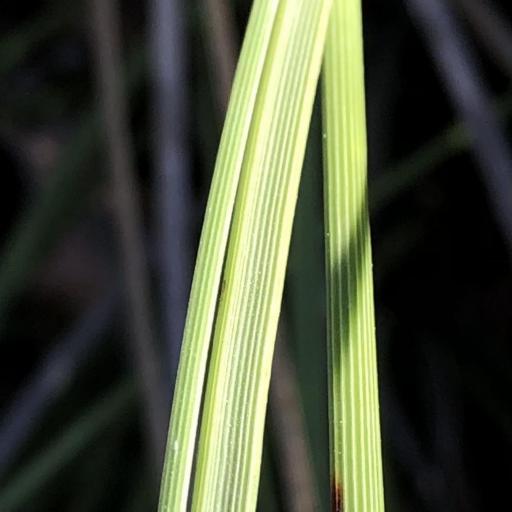
- 🌿 Leaf Structure: Features long, slender, and wiry green leaves that can reach up to 5 feet in length. They arch gracefully from a central woody base, creating a mounded "fountain" shape.
- 🌸 Hidden Blooms: Unlike many flowering plants that tower over their foliage, Sacahuista produces creamy white to greenish flower clusters that often stay nestled deep within the base of the leaves, close to the ground.
- 📏 Texture: The leaves are tough and fibrous with slightly serrated or "saw-tooth" edges that can feel sharp if you run your hand along them the wrong way.
🏡 In Your Garden
- 🏜️ Drainage is King: This plant thrives on neglect but will quickly decline in standing water. It is best suited for rock gardens, slopes, or xeriscapes where the soil is porous and gritty.
- 🛡️ Erosion Control: Because of its deep, tenacious root system, it is an excellent choice for stabilizing hillsides or preventing soil runoff in arid climates.
- ✂️ Low Maintenance: It is virtually "fire-and-forget" once established. It rarely needs pruning, though you may want to wear gloves when removing old, dead leaves to avoid minor skin abrasions.
⚠️ Safety & Toxicity
- 🐑 Livestock Warning: While beautiful in a garden, this plant is notoriously toxic to livestock, particularly sheep and goats. The flower buds and seed pods contain saponins that can cause severe liver damage and photosensitization.
- 🐾 Pets and Kids: It is generally considered low-risk for household pets compared to livestock, but the sharp edges of the leaves pose a physical hazard (scratches or cuts) rather than a chemical one.
- 🖐️ Physical Safety: Always wear sturdy gloves when transplanting or cleaning up the base of the plant to protect your hands from the serrated leaf margins.
✨ Fun Fact
Native Americans found so many uses for this plant that it was essentially the "multitool" of the desert; beyond baskets, the tough fibers were used to make sandals, and the flower buds were occasionally roasted and eaten (though this is not recommended today due to the risk of chemical sensitivity!).

Detailed Care Instructions
To grow Nolina texana (Texas sacahuista) plants, you can follow these steps:
- Select a suitable location: Nolina texana prefers full sun to partial shade. Choose a well-draining area with sandy or loamy soil.
- Prepare the soil: Remove any weeds or grass from the planting area, and loosen the soil with a garden fork or tiller. Ensure the soil has good drainage to prevent waterlogging.
- Planting: Dig a hole twice as wide and deep as the root ball of the plant. Gently place the plant in the hole, ensuring the top of the root ball is level with or slightly above the soil surface. Backfill the hole with soil, lightly pressing it down to eliminate any air pockets.
- Watering: Water newly planted Nolina texana thoroughly immediately after planting. Subsequently, water the plant deeply once a week during the first growing season or during prolonged dry spells. Gradually reduce watering as the plant becomes established. These plants can tolerate drought, but consistent, moderate moisture will promote healthier growth.
- Mulching: Apply a layer of organic mulch, such as bark chips or straw, around the base of the plant. Mulching helps conserve soil moisture, control weeds, and regulate soil temperature.
- Pruning: Nolina texana typically does not require pruning, except for removing any dead or damaged fronds. Prune in late winter or early spring to maintain a tidy appearance.
- Fertilization: Texas sacahuista plants do not generally require regular fertilization. However, you can apply a balanced slow-release fertilizer, such as a 10-10-10 formulation, in early spring if needed.
- Protecting from extreme temperatures: In areas with severe winter frost, provide some protection for young or newly planted Nolina texana. You can cover the plant with a frost cloth or bring it indoors to a sheltered location until temperatures become more favorable.
- Propagation: Nolina texana can be propagated through seed or by removing offsets (baby plants) from mature plants. Seeds should be sown in a well-draining potting mix and kept consistently moist but not overly wet until germination occurs.
By following these guidelines, you should be able to successfully grow Nolina texana and enjoy its unique beauty in your garden or landscape.

Place in a bright room that is sun drenched almost all day. Or directly in a south-facing window.

To water this plant, you should first consider the environment it's in. If it's in a pot, make sure the pot has drainage holes and that the soil is not completely dry. If it's outside in the ground, make sure it's not in standing water or constantly wet soil.
When watering, use room temperature water and moisten the soil until water begins to drain out of the bottom of the pot or until the surrounding soil is moist to the touch. Make sure not to overwater, as this can lead to root rot.
Water the plant when the top inch of soil feels dry to the touch. In colder months, the plant may need less frequent watering than in warmer months.
It's important to note that this plant is drought-tolerant and can survive on minimal watering, so be careful not to overdo it.
- Choose a balanced fertilizer with equal amounts of nitrogen, phosphorus, and potassium.
- Apply the fertilizer in the early spring before new growth emerges.
- Spread the fertilizer evenly around the base of the plant, making sure to avoid getting it on the plant's stem.
- Water the plant thoroughly after fertilizing to help the nutrients penetrate the soil.
- Repeat the fertilization process once or twice a year, depending on the plant's growth and specific fertilizer instructions.
The soil that is best suited for the specific plant in question is a porous, well-draining soil mixture with a neutral pH. It should have a balanced combination of sand, peat, and perlite or vermiculite. Additionally, the soil should have a good nutrient profile that promotes healthy growth and development. When potting the plant, it is important to ensure that the soil is evenly distributed and compacted to prevent root rot and soil erosion. Finally, the soil should be kept moist but not waterlogged, and the plant should be kept in a well-lit position with moderate to high humidity.
To propagate this plant, you will need to take stem cuttings from a mature, healthy plant. The best time to take cuttings is in the spring or early summer, when the plant is actively growing.
Use a clean, sharp pair of pruning shears to cut a stem that is at least six inches long and has several healthy leaves. Remove any lower leaves from the stem, leaving only two or three at the top.
Fill a small pot with a well-draining soil mix. Make a small hole in the soil with your finger or a pencil, and carefully insert the stem cutting into the hole. Firmly press the soil around the stem to ensure good contact.
Water the cutting thoroughly and place it in a bright, warm location. Cover the pot with a clear plastic bag to create a humid environment for the cutting. Check the soil moisture regularly and water as needed to keep it evenly moist.
After a few weeks, you should start to see new growth emerging from the top of the cutting. Once the new growth is several inches tall, you can remove the plastic bag and begin treating the plant like a mature Nolina Texana plant.








