Plant Overview
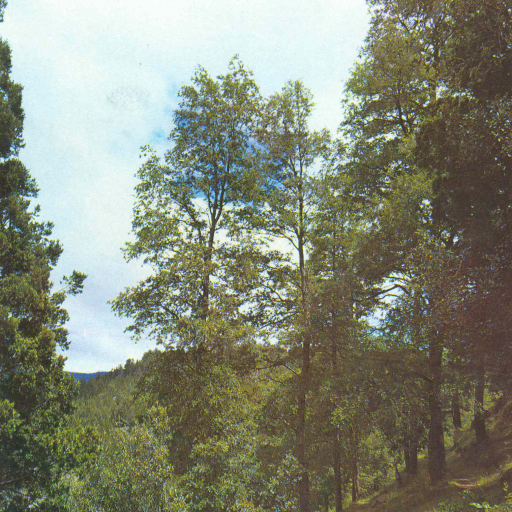
Known as the Raulí or the Chilean Beech, this majestic deciduous tree is a crown jewel of the Andean temperate rainforests. Often prized for its incredibly high-quality, reddish wood, it bridges the gap between a rugged forest giant and an elegant ornamental specimen. In autumn, it puts on a spectacular show, transforming from deep green to vibrant shades of honey-gold and copper-red.
🔍 How to Identify
- 🍃 Corrugated Leaves: The leaves are large, oval, and famously "pleated" with very prominent, straight parallel veins that give them a distinct crinkled texture.
- 🪵 Bark Character: Young trees sport smooth, reddish-brown bark, which matures into a dark grey with shallow vertical fissures as the tree ages.
- 📐 Growth Habit: It typically grows with a straight, cylindrical trunk and a narrow, upright crown that broadens slightly as it reaches maturity.
🏡 In Your Garden
- 🌱 The Need for Space: Because the Raulí is a fast-growing giant that can reach over 80 feet, it is best suited for large gardens or parklands rather than small suburban yards.
- 💧 Cool & Consistent: This tree thrives in deep, well-drained, acidic soil and craves "cool feet"—it dislikes extreme summer heat and drought, preferring the humid, misty conditions of its mountain origins.
- ⚓ Root Sensitivity: Like many members of the Southern Beech family, it develops a strong taproot early on; this makes it very hardy once established but means it resents being moved or transplanted.
⚠️ Safety & Toxicity
- ✅ Safe Status: Nothofagus alpina is considered non-toxic to humans, cats, dogs, and horses.
- 🛡️ General Caution: While safe, the leaves are not intended for consumption, and the primary "danger" is simply its size—ensure it isn't planted too close to foundations or power lines.
✨ Fun Fact
The Raulí is a "living fossil" of sorts! It belongs to a group of trees that once covered the ancient supercontinent of Gondwana, explaining why its closest relatives are found thousands of miles away in Australia and New Zealand.

Detailed Care Instructions
To successfully grow Nothofagus Alpina plants, also known as the southern beech or roble tree, follow these steps:
- Determine the suitable climate: Nothofagus Alpina thrives in cool temperate regions with consistent rainfall. Ensure your climate matches these conditions.
- Choose a suitable location: Plant Nothofagus Alpina in a spot that receives partial shade to protect it from harsh direct sunlight, especially in hot climates. The soil should be well-draining and rich in organic matter.
- Obtain healthy seeds or seedlings: Nothofagus Alpina can be propagated from seeds or purchased as young plants from a nursery. If using seeds, collect them from mature trees during autumn when they naturally disperse.
- Prepare the soil: Amend the soil with compost or well-rotted manure to improve its fertility and drainage. Nothofagus Alpina prefers slightly acidic to neutral soil.
- Sow the seeds or transplant seedlings: If starting from seeds, sow them in pots or trays filled with a well-draining soil mix. Cover with a thin layer of soil and keep them moist. Once the seedlings are around 5-10cm tall, transplant them to their permanent location. If using seedlings, dig a hole slightly larger than the root ball, place the plant in the hole, backfill with soil, and gently firm it around the roots.
- Watering: Keep the soil evenly moist during the growing season, especially for young plants. However, avoid waterlogging as it can cause root damage.
- Mulching: Apply a layer of organic mulch around the base of the tree to retain soil moisture, control weed growth, and regulate soil temperature.
- Pruning: Prune Nothofagus Alpina in early spring or late autumn to remove dead, damaged, or diseased wood. This will promote better air circulation and ensure a healthier plant overall.
- Fertilization: Apply a balanced slow-release fertilizer in early spring or use a liquid fertilizer during the growing season to provide essential nutrients.
- Protection from pests and diseases: Monitor the plants regularly for any signs of pests like aphids or diseases like powdery mildew. Take appropriate measures to control and prevent further damage.
Remember that Nothofagus Alpina plants are relatively slow-growing, so be patient and provide consistent care as they establish and grow.
Nothofagus Alpina is a type of plant that requires frequent watering to thrive. When watering this plant, it is important to only water the soil and avoid getting any water on the leaves or stems. This can prevent damage to the plant and stop any disease from developing. It is essential to water the plant deeply, allowing the soil to soak up the water fully. Generally, the plant should be watered once every week or whenever the soil feels dry to the touch. During hot weather, the plant may require more water to ensure it remains hydrated. Additionally, it is important to avoid allowing the soil to dry out completely, as this can cause damage to the roots and cause the plant to die. Overall, proper watering practices can help ensure that Nothofagus Alpina thrives and grows to its fullest potential.
To fertilize this plant, use a balanced fertilizer, such as a 10-10-10 or 20-20-20, during the growing season (spring and summer). Apply the fertilizer according to the package instructions, typically every 4-6 weeks. Avoid fertilizing in the fall and winter when the plant is in its dormant phase. Be sure to water the plant before and after fertilizing to prevent burning the roots.
The ideal soil for this plant should have a slightly acidic pH level ranging from 5.5 to 6.5. It should also be well-draining with a mix of sand, silt, and clay particles. The soil should contain organic matter such as compost, leaf litter, or peat moss for improved nutrient availability and water retention. Additionally, it is recommended to avoid soils that are heavily compacted or prone to waterlogging as this can lead to root damage or disease.
Nothofagus Alpina can be propagated through a process called hardwood cutting. In this method, a cutting of woody stem of the plant is taken in the late fall when the plant is dormant. The cutting should have at least 2 nodes and 1-2 buds. The cutting should be 6-8 inches long.
The cutting should be selected from a healthy plant and preferably from the upper part of the plant. The leaves from the bottom 1/3 of the cutting should be removed. The cutting should be dipped in a rooting hormone and planted in a container with well-draining soil mix. The container should be covered with a plastic bag to create a humid environment. The cutting should be kept in a warm and bright spot but away from direct sunlight.
After about a month, the cutting should start to develop new growth and roots. The plastic bag can be removed at this point, and the plant should be gradually acclimatized to the outdoor environment. The cutting can be transplanted into a larger container or the garden after about a year.








