Plant Overview
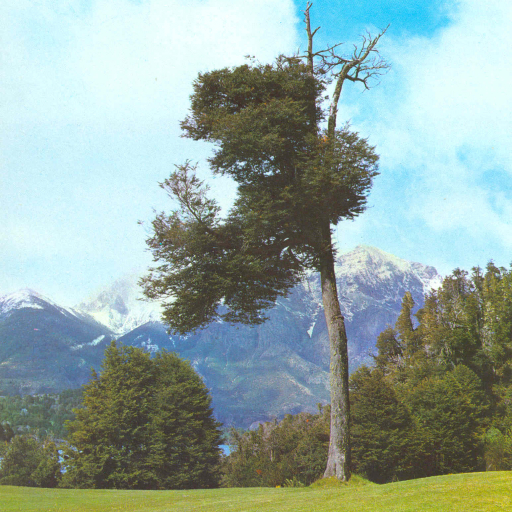
Known as the towering Coihue, Nothofagus dombeyi is the undisputed king of the temperate rainforests in Chile and Argentina. This majestic evergreen is a living relic of the ancient supercontinent Gondwana, often seen draped in moss and rising through the mist of the Andean slopes. With its graceful, tiered branches and rapid growth, it is a symbol of the wild, rugged beauty of the Southern Hemisphere.
🔍 How to Identify
- 🍃 The Foliage: Look for small, leathery leaves (usually 1-3 cm long) with a distinct diamond or oval shape. They have finely "toothed" or serrated edges and a glossy, dark green finish.
- 🌳 Growth Habit: It features a striking "stratified" look, where the branches grow in horizontal fans or layers, reminiscent of a giant bonsai tree.
- 🪵 The Bark: In younger trees, the bark is relatively smooth and light gray. As it matures into a forest giant, the trunk becomes thick and develops deep, dark vertical furrows.
🏡 In Your Garden
- 💧 Moisture Mimicry: The Coihue is a "thirsty" tree that hates drying out. It thrives in regions with high rainfall and cool summers; if planted in a garden, it requires deep, consistent watering and acidic, well-draining soil.
- 📏 Space Requirements: This is not a tree for a small backyard. It can easily reach heights of 40 meters (130 feet) or more. It is best used as a specimen tree for large estates or public parks where its massive canopy has room to spread.
- 🌬️ Climate Needs: It is remarkably hardy against wind and cold, but it struggles in intense, dry heat. It prefers "big gulps" of fresh, moving air and high humidity.
⚠️ Safety & Toxicity
- ✅ Safe Status: Nothofagus dombeyi is considered non-toxic to humans, cats, and dogs.
- 🤧 Allergy Note: Because it is a wind-pollinated species, it produces a significant amount of pollen in the spring. While not "dangerous," it can trigger hay fever in sensitive individuals.
✨ Fun Fact
The name "Coihue" comes from the indigenous Mapuche word koywe, which translates to "place of water." This is a perfect description of its ecology, as these trees are often the first to colonize areas near glacial lakes and riverbanks.

Detailed Care Instructions
Growing Nothofagus dombeyi, also known as the coigue tree, requires the following steps:
- Climate and location: Choose a suitable location for your Nothofagus dombeyi plant. These trees prefer cool to mild climates with well-drained soil. They are native to southern Chile and Argentina, so try to replicate their natural habitat as closely as possible.
- Soil preparation: Prepare the soil before planting the coigue tree. It prefers rich, loamy soil with good drainage. Add organic matter such as compost to improve soil fertility and drainage.
- Planting: Plant Nothofagus dombeyi saplings in the desired location during the spring, when the soil is still moist. Dig a hole slightly larger than the pot or root ball of the sapling. Place the sapling in the hole, ensuring that the top of the root ball is level with or slightly above the soil surface. Backfill the hole with soil and gently firm it around the tree.
- Watering: Provide regular watering to the newly planted coigue tree. Keep the soil consistently moist but avoid overwatering, as excessive moisture can lead to root rot. Water deeply and allow the soil to partially dry between waterings.
- Mulching: Apply a layer of organic mulch around the base of the tree to help retain soil moisture and suppress weeds. Use materials like wood chips or bark, and maintain a mulch layer thickness of around 2-3 inches.
- Fertilizer: Nothofagus dombeyi typically doesn't require heavy fertilization, especially if grown in nutrient-rich soil. However, you can apply a balanced slow-release fertilizer once a year in early spring to promote healthy growth.
- Pruning: Prune the coigue tree as necessary to maintain its shape and remove any dead or damaged branches. Pruning can be done during the dormant season, preferably in late winter or early spring.
- Protection from extreme weather: Coigue trees can withstand cold temperatures, but young saplings may need protection from severe frosts. Use frost covers or blankets to shield them during freezing weather.
- Patience: Nothofagus dombeyi trees are known to have slow growth rates in the early years. You may need to wait several years before significant growth is observed. Be patient and provide proper care during this time.
- Pest and disease management: Monitor the coigue tree for common pests like aphids or leaf miners. Use organic pest control methods such as neem oil or insecticidal soap if necessary. Additionally, ensure good air circulation around the tree to prevent fungal diseases.
With proper care and attention, your Nothofagus dombeyi plant should thrive and grow into a beautiful coigue tree.

Place in a bright room that is sun drenched almost all day. Or directly in a south-facing window.

To water this plant, it is important to first check the soil moisture level by sticking your finger about an inch into the soil. If the soil feels dry, it is time to water the plant. Slowly pour water onto the soil until it fully moistens the roots. Avoid overwatering as this can lead to root rot. It is recommended to water the plant once a week during the growing season and reducing frequency during the winter months. It is also helpful to mist the plant's leaves to increase humidity levels.
To fertilize this plant, you should use a slow-release fertilizer that is formulated for acid-loving plants. Apply the fertilizer in the spring, before new growth appears, and then again in the fall. Be sure to water the plant well after fertilizing, and avoid getting the fertilizer on the foliage.
Nothofagus Dombeyi prefers a well-drained soil with a pH of 5.5 to 7.5. The soil should be loamy with good organic matter content and should not be too compacted. It is recommended to add compost or other organic matter to the soil before planting, and to ensure that the soil has good drainage to prevent waterlogged conditions. Fertilizer can also be added to the soil during planting to promote healthy growth. This plant is not tolerant of drought, so it is important to keep the soil moist but not waterlogged.
To propagate this plant, you will need to obtain a cutting from a mature plant. Choose a stem that is at least 4 inches long with several leaves attached. Make sure to use a sharp, sterile pruning tool to avoid damaging the cutting.
Next, remove the lower leaves from the cutting and dip the cut end into rooting hormone powder. Then, plant the cutting into a well-draining potting mix. Water the cutting thoroughly, but do not overwater.
Place the potted cutting in a warm, bright location but out of direct sunlight. Keep the soil moist but not waterlogged and mist the leaves with water regularly to maintain humidity.
Within several weeks, roots should begin to form, and you will see new growth from the stem. Once the plant has established itself in the pot, you can transplant it into a larger container or out into your garden.








