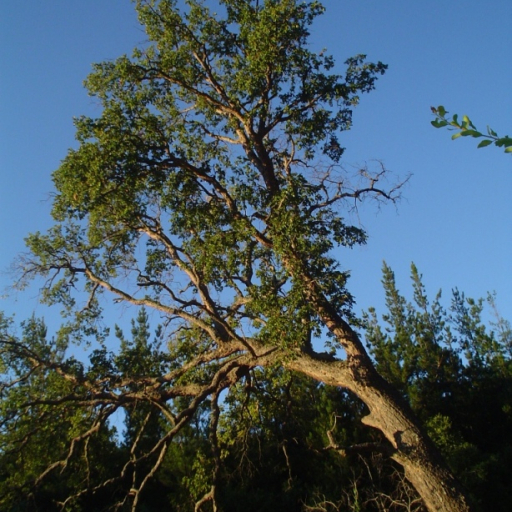
Plant Overview
The Nothofagus glauca, affectionately known as the Hualo or Chilean False Beech, is a majestic deciduous tree that hails from the coastal mountains of central Chile. Often described as a "living fossil," it represents a lineage of trees that once spanned the ancient supercontinent of Gondwana. With its distinctive crinkled leaves and stunning transition from bluish-green to fiery orange in the autumn, it serves as both a botanical relic and a landscape showstopper.
🔍 How to Identify
- 🍃 The Foliage: The leaves are its most striking feature—broadly ovate with deeply "undulate" (wavy) margins that give the tree a ruffled appearance.
- 💎 The "Glauca" Glow: True to its name, the underside of the leaves often sports a glaucous, pale bluish-white waxy coating that shimmers when the wind catches the canopy.
- 🪵 The Bark: In its youth, the bark is smooth and gray, but as the Hualo matures, it develops a rugged, fissured texture with rectangular plates.
🏡 In Your Garden
- ⛰️ Drought Resilience: Unlike many of its "Southern Beech" cousins that crave constant moisture, the Hualo is surprisingly tough. It has adapted to the Mediterranean climate of Chile, meaning it can handle dry summers once its root system is established.
- 🌱 Deep Roots: It prefers deep, well-drained soil and plenty of sun. Because it develops a significant taproot, it is notoriously "fussy" about being moved—choose its "forever home" in your garden carefully to avoid transplant shock.
⚠️ Safety & Toxicity
- ✅ Safe for All: The Nothofagus glauca is considered non-toxic to humans, dogs, and cats.
- 🛡️ Gentle Giant: It does not possess thorns or irritating saps, making it a safe choice for family gardens or public spaces where children and pets play.
✨ Fun Fact
The Hualo is currently classified as a Vulnerable species. Because it grows in a very specific, narrow strip of Chile, many of its ancient forests have been replaced by pine plantations, making every specimen grown in a garden a small but vital act of conservation!

Detailed Care Instructions








