Plant Overview
Known to the Māori as Tawhai, the Silver Beech is a majestic cornerstone of New Zealand’s ancient, cool-temperate rainforests. With its shimmering, ghost-like bark and tiny, delicate foliage, it looks like a tree plucked straight from the pages of a fantasy novel. It is a slow-growing giant that brings a sense of prehistoric permanence to any landscape it inhabits.
🔍 How to Identify
- 🥈 The Bark: Its most striking feature is the smooth, silvery-white bark on younger trees. As the tree ages, the bark becomes darker and flakes off in thick, rectangular shards, often hosting a miniature ecosystem of colorful lichens.
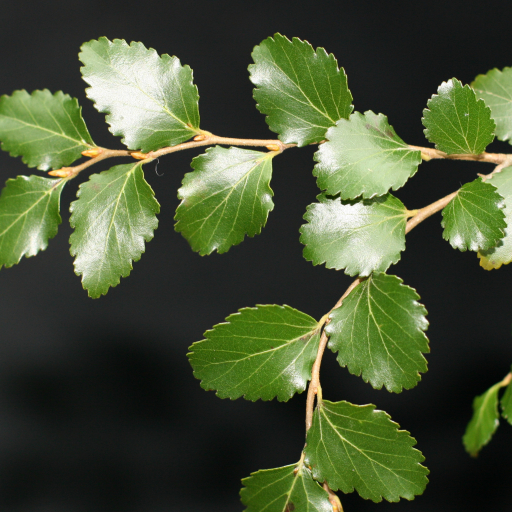
- 🍃 The Leaves: The leaves are tiny, dark green, and fan-shaped. If you look closely, the edges are "double-toothed" (serrated), a key detail that distinguishes it from its cousin, the Red Beech.
- 🌳 The Growth Habit: In its youth, it maintains a neat, pyramidal shape. In the wild, it can reach towering heights of 30 meters, developing a massive, spreading crown that filters sunlight into a soft, dappled glow.
🏡 In Your Garden
- 🏔️ Cool & Constant: The Silver Beech is a child of the mountains and high-rainfall areas. It struggles in hot, humid climates or areas with prolonged droughts. It craves a "cool root run," meaning the ground should stay chilled even if the sun is out.
- 🍂 Forest Mimicry: To keep this tree happy, you must mimic the forest floor. It loves deep organic mulch and acidic soil. It is also quite sensitive to root disturbance, so once you plant it, try to avoid digging or moving it.
⚠️ Safety & Toxicity
- ✅ Status: Generally safe and non-toxic.
- 🐾 Pet Safety: There are no known toxic properties for cats, dogs, or horses.
- 👶 Children: The tree is safe for curious kids, though the small, woody seed husks (cupules) that fall in autumn can be a minor tripping or choking hazard for toddlers.
✨ Fun Fact
The Silver Beech has a unique "best friend" in the fungal world called the Strawberry Fungus (Cyttaria gunnii). These bright orange, golf-ball-shaped fungi grow exclusively on Silver Beech branches and were historically eaten by Māori travelers as a sweet, slightly rubbery snack!

Detailed Care Instructions
To successfully grow Nothofagus Menziesii plants, also known as silver beech or South Island beech, follow these steps:
- Climate and location: Silver beech trees are native to New Zealand and thrive in cool, temperate climates. They prefer locations with mild summers and frosty winters. Consider if your climate is suitable for their growth before planting.
- Soil preparation: Prepare a well-draining soil rich in organic matter. Silver beech prefers slightly acidic to neutral soils. Amend the soil with compost to improve its fertility and drainage.
- Seed collection: If you have access to silver beech seeds, collect them in autumn. Look for ripe seeds that have a hard, woody coat with no soft spots or shriveling. Be patient, as silver beeches produce abundant seeds every few years.
- Seed stratification: Nothofagus Menziesii seeds require a cold stratification period to break dormancy. Store the seeds in a cool, dry place for several weeks, allowing them to experience cold temperatures similar to those found during winter.
- Germination: After stratification, plant the seeds in small pots filled with the prepared soil mix. Place the pots in a greenhouse or any protected area with filtered sunlight. Keep the soil consistently moist but not waterlogged. Germination may take several weeks or months.
- Transplanting: Once the seedlings have grown to a suitable size, typically 4-6 inches tall, transplant them to larger pots or directly into the ground. Ensure they are planted at the same depth as they were in the original containers.
- Care and maintenance: Provide regular watering to keep the soil moist, especially during dry periods. Mulch around the base of the tree to help retain moisture and suppress weeds. Avoid over-fertilization, as silver beech trees prefer nutrient-poor soils.
- Pruning: Prune the tree in early spring to remove any damaged or diseased branches. This will help maintain a healthy and attractive shape.
- Protection from harsh conditions: During severe winters or strong winds, protect young silver beech trees with windbreaks or temporary shelters to prevent damage.
- Patience and monitoring: Silver beech trees are slow-growing, so be patient as they steadily develop. Regularly monitor their health, water requirements, and overall condition.
Remember, Nothofagus Menziesii plants may grow best in their native range, and growing them in non-native regions may require extra care and attention.

Place in a bright room that is sun drenched almost all day. Or directly in a south-facing window.

To properly water this plant, it is important to first take into consideration its natural habitat and moisture requirements. This plant is native to certain regions and habitats and therefore, it is best to mimic its natural environment as much as possible.
When watering, it is important to ensure that the soil is thoroughly moistened. However, it is equally important to ensure that the soil is not waterlogged as this can lead to root rot and other issues. To achieve a proper balance, it is recommended to water deeply but infrequently, allowing the soil to dry out slightly between watering.
One method to achieve this balance is to water the plant deeply once a week, ensuring that the water reaches the root zone. It is important to water in the morning or evening when temperatures are cooler to minimize evaporation and to avoid getting the leaves wet, which can lead to fungal issues.
In addition to watering, providing adequate drainage is crucial. This can be achieved by ensuring that the plant is placed in well-draining soil and ensuring that any excess water can escape via drainage holes in the container or bed.
Overall, it is important to monitor the soil moisture level and adjust watering accordingly. With consistent and proper watering, this plant can thrive and grow healthy and strong.
To properly fertilize this plant, you should first assess the soil to determine what nutrients may be lacking. Generally, a balanced fertilizer with equal parts nitrogen, phosphorus, and potassium should be used in the recommended dosage according to the size of the plant. It is important to apply fertilizer evenly around the plant, avoiding direct contact with the stems or foliage. Fertilizing should be done during the growing season, typically from spring to summer, and should be avoided during the dormant season. Additionally, it is important to water the plant thoroughly after fertilizing to prevent root burn.
Nothofagus Menziesii plant requires well-draining soil that is rich in organic matter. The soil should have a pH level of between 5.5 and 7.5 for best results. The plant prefers a soil that is moist but not waterlogged, so it is important to ensure good drainage. Sandy loam or loamy soils are suitable for this plant, as they provide good drainage while still retaining moisture. Soil that is too heavy or clay-like should be avoided as it can impede drainage and cause waterlogging. It is important to keep the soil around the plant evenly moist, but not saturated, to encourage healthy growth. Adding a layer of mulch around the base of the plant can help to retain moisture and regulate soil temperature. Fertilizing the plant with a slow-release, balanced fertilizer in the spring can help to promote healthy growth.
To propagate this plant, you will need to collect and prepare fresh seeds from mature cones. You should look for cones that have dried and turned brown or gray in color. Once you have harvested the cones, you will need to remove the seeds by prying them out of the cone scales with your fingers or a small tool.
Once you have collected your seeds, you can start preparing them for germination. You should soak the seeds in water for several hours to soften them and remove any remaining pulp. After soaking, you can place the seeds on a damp paper towel and seal them in a plastic bag. Keep the bag in a warm, dark place for several weeks until you see signs of germination.
Once the seeds have sprouted, you can transfer them to small pots filled with a well-draining potting mix. Keep the soil moist and place the pots in a warm, brightly lit location. Make sure to protect the seedlings from direct sunlight and extreme heat.
As the seedlings grow, you can gradually move them to larger pots and begin to acclimate them to outdoor conditions. Once the plants have reached a sufficient size, you can transplant them into their permanent location in the garden or landscape. Make sure to choose a location with well-draining soil and partial to full shade. With proper care and attention, your Nothofagus Menziesii plants will grow into beautiful, healthy specimens for years to come.








