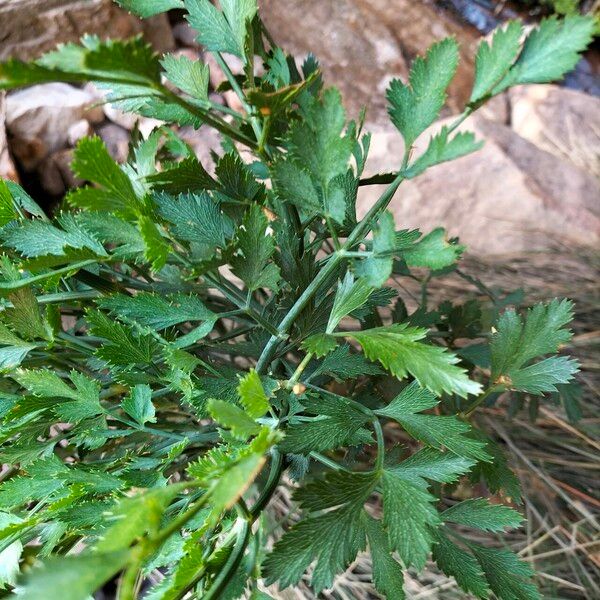
Plant Overview
Often called the "Blister Bush" or Blisterbos, Notobubon galbanum is a striking member of the carrot family (Apiaceae) native to the fynbos of South Africa. While it looks like an oversized, vibrant sprig of parsley or celery, it is legendary among hikers for its "hidden" defense system. It’s a plant that commands respect—beautiful to look at, but painful to touch.
🔍 How to Identify
- 🌿 Lacy Foliage: The leaves are bright green, compound, and divided into tooth-edged leaflets, closely resembling the look of flat-leaf parsley or celery.
- 🌼 Golden Umbels: In mid-summer, it produces massive, flat-topped flower clusters (umbels) that are a brilliant lime-yellow, standing high above the foliage.
- 📏 Sturdy Shrub: Unlike many of its carrot-cousins, this is a woody perennial shrub that can grow up to 2 meters tall, often found clinging to rocky mountain slopes.
🏡 In Your Garden
- ⛰️ The Mountain Specialist: This plant is adapted to the Mediterranean climate of the Cape. It thrives in well-drained, rocky soil and requires a spot with full sun and good air circulation to mimic its windy mountain home.
- 🔥 Post-Fire Pioneer: In the wild, it is often one of the first plants to reappear after a mountain fire. It uses these events to clear out competition, using its deep root system to bounce back quickly.
⚠️ Safety & Toxicity
- 🚫 Status: SEVERE PHOTOTOXICITY.
- ☀️ The Sun Trigger: The plant contains furanocoumarins. If the sap touches your skin and is then exposed to UV light (sunlight), it causes a chemical burn resulting in large, painful, weeping blisters.
- 🧤 Handing Warning: Never touch this plant with bare skin, especially on sunny days. If you accidentally brush against it, wash the area immediately and keep it covered and away from sunlight for several days.
✨ Fun Fact
Despite its blistering reputation, Notobubon galbanum was historically used in very small, controlled doses by early Cape settlers as a diuretic and treatment for heart ailments. However, given its skin-melting potential, it’s one traditional remedy that is best left in the history books!

Detailed Care Instructions
Growing Notobubon galbanum, commonly known as Wild Parsley or as a part of the broader Apiaceae family, can be a rewarding experience due to its aromatic qualities and medicinal properties. Here are the general steps you can follow to cultivate this plant:
1. Plant Selection
- Seeds or Seedlings: Obtain seeds from a reputable supplier or start with a young plant from a nursery specializing in native or medicinal plants.
2. Site Selection
- Sunlight: Choose a location that receives full sun to part shade.
- Soil: This plant thrives in well-drained soil with good organic content. It can tolerate a range of soil types but prefers neutral to slightly acidic soil.
3. Preparing the Soil
- Soil Test: Conduct a soil test to determine its pH and nutrient levels.
- Amendments: Add compost or well-rotted manure to enrich the soil if necessary, improving its fertility and drainage.
4. Planting
- Timing: Best to sow seeds in early spring or late fall. If using seedlings, plant them after the last frost.
- Depth and Spacing: Sow seeds about 1/4 inch deep and space them around 18-24 inches apart to allow for growth and air circulation.
5. Watering
- Establishment Period: Keep the soil consistently moist until the seeds germinate and the young plants are established.
- Mature Plants: Once established, Notobubon galbanum is fairly drought-tolerant. Water moderately, allowing the top layer of soil to dry out between watering sessions.
6. Fertilization
- Notobubon galbanum generally doesn’t require heavy fertilization. An annual application of compost or a balanced, slow-release fertilizer in the spring can support its growth.
7. Weeding and Mulching
- Weeding: Keep the area around the plant free of weeds to reduce competition for nutrients and water.
- Mulching: Apply a layer of organic mulch around the base of the plant to conserve moisture, suppress weeds, and improve soil health.
8. Pruning and Care
- Pruning: Trim back any dead or damaged stems to encourage healthy growth. You can also prune to maintain desired shape and size.
- Pests and Diseases: Generally, Notobubon galbanum is not prone to many pests or diseases. However, regular inspection can help manage any issues early.
9. Harvesting
- Leaves and Seeds: Leaves can be harvested as needed. For seeds, wait until they mature and dry on the plant before collecting.
10. Overwintering
- In colder climates, you might need to provide some protection, such as mulching around the roots, to help the plant survive frosts and freezes.
11. Propagation
- Seeds: Collect seeds in late summer or fall for next season's planting.
- Division: Established plants can also be divided in the spring or fall to propagate new plants.
By following these steps, you should be able to successfully grow Notobubon galbanum in your garden, enjoying its unique foliage, fragrance, and potential health benefits.

Place in a bright room that is sun drenched almost all day. Or directly in a south-facing window.
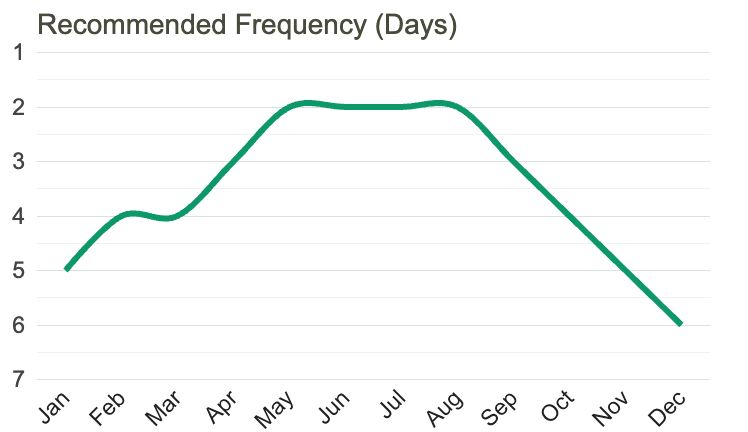
Properly watering Notobubon galbanum involves understanding its native environment and replicating similar conditions. This plant typically thrives in well-drained soils and does not require excessive watering, as it is adapted to regions with dry conditions.
1. Watering Frequency:
- Young Plants: When the plant is young or newly transplanted, ensure the soil remains consistently moist but not waterlogged. Water lightly every few days, depending on the weather and soil condition.
- Established Plants: Once the plant is established (typically after the first growing season), reduce the frequency of watering. Water deeply but infrequently, allowing the soil to dry out between waterings. Aim for watering once every one to two weeks during dry periods.
2. Soil and Drainage:
- Ensure the plant is in well-draining soil. Poorly drained soil can lead to root rot. Using a sandy or gritty soil mix can improve drainage.
- If planting in a pot, make sure it has ample drainage holes. Consider using a potting mix specifically designed for drought-tolerant plants.
3. Watering Technique:
- Water at the base of the plant rather than overhead. This directs moisture to the roots and minimizes fungal issues on the foliage.
- Water in the early morning or late afternoon to reduce evaporation and allow the plant to absorb moisture before the heat of the day.
4. Signs that the Plant Needs Water:
- Drooping or wilting leaves can indicate insufficient watering. However, also ensure that these symptoms are not due to overwatering.
- Dry soil: If the top inch of the soil feels dry to the touch, it’s time to water.
5. Mulching:
- Apply a layer of mulch around the base of the plant. Mulch helps retain soil moisture, regulate soil temperature, and reduce water evaporation.
6. Seasonal Adjustments:
- During the growing season in spring and summer, the plant may require more frequent watering.
- In fall and winter, especially in regions where the plant goes dormant, reduce watering substantially. Ensure the soil is dry for longer periods.
By paying attention to the plant’s growth stage, soil condition, and environmental factors, you can tailor your watering regimen to keep Notobubon galbanum healthy and thriving.
Here are the fertilizing instructions for Notobubon galbanum:
- Soil Preparation: Before planting, enrich the soil with compost or well-rotted manure to improve its texture and nutrient content.
- Initial Fertilization: When planting, you can mix a balanced, slow-release granular fertilizer into the soil. A typical balanced fertilizer has an N-P-K ratio of 10-10-10. Follow the package instructions for the appropriate amount based on the size of your planting area.
- Seasonal Feeding:
- Spring: Apply a balanced, slow-release fertilizer at the start of the growing season. This helps support new growth and overall plant health.
- Mid-Growing Season: Depending on the soil's fertility and the plant's growth, you might not need to fertilize heavily during the growing season. If necessary, a light application of a balanced, water-soluble fertilizer can be used.
- Spring: Apply a balanced, slow-release fertilizer at the start of the growing season. This helps support new growth and overall plant health.
- Avoid Over-Fertilization: Too much fertilizer can harm the plant, leading to excessive leaf growth at the expense of root development. Always follow the recommended dosage on the fertilizer package.
- Watering After Fertilization: After applying fertilizer, water the plant thoroughly to help dissolve the nutrients and encourage root uptake.
- Organic Options: If you prefer organic gardening, consider using compost tea, fish emulsion, or other organic fertilizers. These can be applied during the growing season as needed.
- Monitoring: Observe your plant's growth and health; yellowing leaves or stunted growth might indicate a nutrient deficiency. Adjust your fertilization routine accordingly.
Notobubon galbanum, a member of the Apiaceae family, typically thrives in well-drained soils. For optimal growth, aim for the following soil characteristics:
- Soil Type: Sandy loam or loam soils are ideal as they provide good drainage while retaining some moisture.
- pH Level: Slightly acidic to neutral soils, with a pH range of 6.0 to 7.5, are preferred.
- Nutrient Content: The soil should be moderately fertile. While Notobubon galbanum does not require extremely rich soil, a moderate organic matter content can promote better growth.
- Drainage: Excellent drainage is crucial to prevent root rot. If planting in clay-heavy soil, consider amending it with sand, perlite, or organic matter to improve aeration and drainage.
- Moisture: While the plant can tolerate some drought, it prefers consistent but not excessive moisture levels to avoid waterlogging. An occasional deep watering can be more beneficial than frequent shallow watering.
In summary, a well-draining sandy loam with moderate fertility and a slightly acidic to neutral pH will create an ideal growing environment for Notobubon galbanum.
Notobubon galbanum is a South African plant notable for its medicinal properties and attractive appearance. Propagating this plant can be done either by seed or by division. Here’s a detailed guide for both methods:
Propagation by Seed
- Seed Collection:
- Collect seeds from mature, dry fruit capsules. Ensure the seeds are fully ripe before harvesting.
- Collect seeds from mature, dry fruit capsules. Ensure the seeds are fully ripe before harvesting.
- Seed Treatment:
- Clean the seeds by removing any remaining fruit pulp.
- Soak the seeds in warm water for 24 hours to soften the seed coat and improve germination rates.
- Clean the seeds by removing any remaining fruit pulp.
- Sowing:
- Use a well-drained, sandy loam soil mix, as this mimics the plant's natural environment.
- Fill seed trays or pots with the soil mix and moisten it slightly.
- Sow the seeds on the surface of the soil and cover them lightly with a thin layer of fine soil or sand.
- Ensure the seeds are not buried too deeply, as they need light for germination.
- Use a well-drained, sandy loam soil mix, as this mimics the plant's natural environment.
- Germination Conditions:
- Place the seed trays in a location with bright, indirect sunlight.
- Keep the soil consistently moist but not waterlogged.
- Maintain a temperature range of 18-22°C (64-72°F).
- Place the seed trays in a location with bright, indirect sunlight.
- Germination Time:
- Seeds typically germinate within 4-6 weeks. Patience is key, as some seeds may take longer.
- Seeds typically germinate within 4-6 weeks. Patience is key, as some seeds may take longer.
- Transplanting:
- Once seedlings have developed several true leaves and are sturdy enough to handle, transplant them into individual pots or directly into the garden.
- Choose a well-drained site with plenty of sunlight.
Propagation by Division
- Once seedlings have developed several true leaves and are sturdy enough to handle, transplant them into individual pots or directly into the garden.
- Timing:
- The best time to divide Notobubon galbanum is during the dormant season, usually in late autumn or early spring.
- The best time to divide Notobubon galbanum is during the dormant season, usually in late autumn or early spring.
- Digging Up the Plant:
- Carefully dig up the whole plant, taking care not to damage the roots.
- Carefully dig up the whole plant, taking care not to damage the roots.
- Dividing the Clumps:
- Gently separate the root clumps into smaller sections. Each section should have several healthy shoots and a portion of the root system.
- Use a sharp, clean knife or garden tool to make clean cuts if necessary.
- Gently separate the root clumps into smaller sections. Each section should have several healthy shoots and a portion of the root system.
- Replanting:
- Prepare the new planting site or pots with well-drained, fertile soil.
- Plant each division at the same depth it was growing initially.
- Firm the soil around the roots and water thoroughly.
- Prepare the new planting site or pots with well-drained, fertile soil.
- Aftercare:
- Keep the newly divided plants well-watered until they establish themselves.
- Mulch around the base to retain moisture and suppress weeds.
General Tips:
- Keep the newly divided plants well-watered until they establish themselves.
- Watering: Notobubon galbanum prefers moderate watering. Allow the soil to dry out slightly between waterings to prevent root rot.
- Fertilization: Use a balanced, slow-release fertilizer during the growing season to encourage healthy growth.
- Pests and Diseases: Monitor the plants for common pests such as aphids and treat them promptly. Ensure good air circulation to prevent fungal diseases.
By following these steps, you can successfully propagate Notobubon galbanum and enjoy its unique qualities in your garden or as part of your plant collection.







