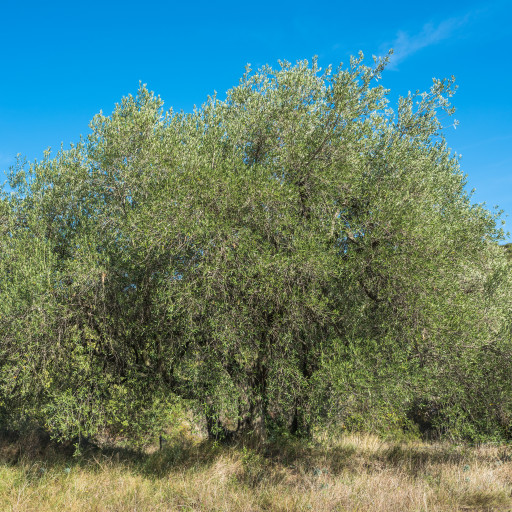
Plant Overview
Known as the provider of "Liquid Gold," the Olive tree (Olea europaea) is an ancient symbol of peace, wisdom, and victory. Originating from the sun-drenched Mediterranean Basin, these gnarled beauties have watched empires rise and fall, with some specimens living for thousands of years. Whether grown in a sprawling grove or a chic terracotta pot on a sunny balcony, they bring a timeless, coastal elegance to any space.
🔍 How to Identify
- 🌿 Silvery Foliage: The narrow, lance-shaped leaves are a deep dusty green on top, featuring a stunning silvery-white underside that shimmers beautifully when caught by the wind.
- 🪵 Sculptural Trunk: While young trees have smooth, greyish bark, older trees develop a legendary twisted and gnarled trunk that looks like a living piece of art.
- 🫒 The Fruit: In late spring, tiny, fragrant creamy-white flowers appear in clusters, eventually transforming into green drupes (olives) that ripen to a dark purple or black.
🏡 In Your Garden
- ☀️ Sun Worshiper: This plant craves direct light. To maintain its silvery hue and dense growth, it needs at least 6 to 8 hours of full sun daily; otherwise, it may drop leaves in protest.
- 💧 Drainage is Vital: Olive trees are incredibly drought-tolerant once established. Their biggest enemy is "wet feet"—they require gritty, well-draining soil and hate sitting in stagnant water, which quickly leads to root rot.
- ✂️ Container Life: Because they are slow-growing, they adapt well to large pots. However, they possess a sensitive root system that dislikes being moved frequently, so choose its permanent "home" carefully.
⚠️ Safety & Toxicity
- ✅ Safe for All: Olea europaea is non-toxic to cats, dogs, and horses, making it a "pet-safe" choice for home decor.
- 😋 Palate Warning: While the fruit is famous worldwide, never eat an olive straight from the tree! Raw olives contain oleuropein, making them incredibly bitter; they must be cured in brine or salt for months to become edible.
✨ Fun Fact
The "Vouvian Olive Tree" on the island of Crete is estimated to be over 3,000 years old. Despite its hollow, ancient trunk, it still produces a harvest of olives every single year!

Detailed Care Instructions
| Color | White |
| Soil Ph | Neutral To Acidic |
| Humidity | Normal |
| Invasive | Weed |
| Lighting | Part Sun |
| Soil Type | Sandy, Well-Drained |
| Bloom Time | Late Spring, Summer |
| Difficulty | Hard |
| Plant Type | Tree |
| Hibernation | Cold Period |
| Mature Size | 25–30 Ft. Tall, 25–30 Ft. Wide |
| Temperature | 15°C - 30°C |
| Sun Exposure | Full Sun |
| Hardiness Zones | 8–11 |
To grow Olea Europaea (olive) plants, follow these steps:
- Climate and Soil: Olive plants thrive in Mediterranean climates with mild winters and long, hot summers. Choose a location with full sun exposure. The soil should be well-drained and slightly alkaline. If your soil is heavy clay, consider amending it with sand or a good-quality potting mix.
- Propagation: There are three common methods of propagation: seeds, cuttings, and grafting. The easiest method for home gardeners is to purchase a young olive tree from a reputable nursery.
- Planting: Dig a hole in the ground or select a large container with drainage holes. The depth and width of the hole should accommodate the plant’s root ball. Trim any damaged or broken roots before planting. Backfill the hole with a mixture of soil and compost, ensuring the plant is at the same level it was in the nursery container.
- Watering: Establish a regular watering schedule; olive trees prefer deep, infrequent watering rather than frequent shallow watering. Once the plant is established, water it deeply once every two weeks, adjusting for rainfall. Monitor the soil moisture to avoid overwatering or letting the plant dry out.
- Fertilizing: Olive trees are relatively low-maintenance and do not require much fertilizer. Apply a slow-release, balanced fertilizer in early spring and mid-summer according to the package instructions. Avoid over-fertilizing, as this can hinder fruit production.
- Pruning: Prune olive trees during late winter or early spring, before new growth emerges. Remove any dead, damaged, or poorly placed branches. Thin out crowded branches to improve air circulation and sunlight penetration. Pruning also helps maintain the overall size and shape of the tree.
- Pests and Diseases: Olive trees are generally resistant to pests and diseases. However, be on the lookout for aphids, scale insects, and olive fruit fly. Monitor your tree regularly and take appropriate measures if you notice any signs of infestation.
- Harvesting: Depending on the olive variety, it may take around 3-5 years for the tree to produce fruit. Harvest the olives when they turn from green to a dark purple or black color. Typically, harvesting occurs in late autumn or early winter. Use a ladder, hand-harvesting tools, or simply shake the branches gently to remove the olives.
Remember, growing olive trees requires patience. With proper care and maintenance, you can enjoy a healthy and fruitful plant for many years.

Place in a bright room that is sun drenched almost all day. Or directly in a south-facing window.

The plant that we are referring to is commonly known as Olea Europaea. It requires moderate watering. Water the plant when the top inch of soil feels dry to the touch. It is important to avoid overwatering as this can lead to root rot. The soil should be well-draining and not hold water for extended periods of time. When watering, it is best to water deeply and evenly and allow excess water to drain out of the pot or soil. During winter months, reduce watering to every two to three weeks. It is also important to avoid getting water on the foliage as this can lead to fungal growth and disease.
- Choose a balanced fertilizer with equal parts of nitrogen, phosphorus, and potassium.
- Apply the fertilizer to the soil around the base of the plant, avoiding contact with the trunk or leaves.
- Water the plant immediately after fertilizing to help the nutrients reach the roots.
- Fertilize the plant once in early spring before new growth appears and once in late summer or early fall after the fruit has been harvested.
- Avoid over-fertilization, as this can cause damage to the plant and reduce fruit production.
- Monitor the plant's growth and adjust the fertilizer application as necessary based on its needs.
The ideal soil for this particular plant is a well-draining, pH-neutral soil. It needs to be nutrient-rich, but not overly rich. Sandy or loamy soil that is not too heavy and rich in organic matter is the best choice. Adding perlite or vermiculite to the soil mix may help with water retention and drainage. It is also important to ensure proper drainage to avoid water-logged soil that can lead to root rot.
To propagate this plant, take semi-hardwood cuttings from a healthy specimen during the growing season. Cuttings should be about 6 inches long and have at least 2-3 sets of leaves. Remove the lower leaves and dip the cutting in rooting hormone. Plant the cutting in well-draining soil and keep it moist but not waterlogged. Keep the cutting in a warm and bright location, but not in direct sunlight. The cutting should root in about 6-8 weeks. Once roots have formed, transplant the new plant to a larger container or outdoors in a sunny location with well-draining soil.
Common pests of the olive include Scale insect, mealybugs, spider mites. Make a habit of checking your olive frequently for pests so that any infestations can be caught and managed early.








