Plant Overview
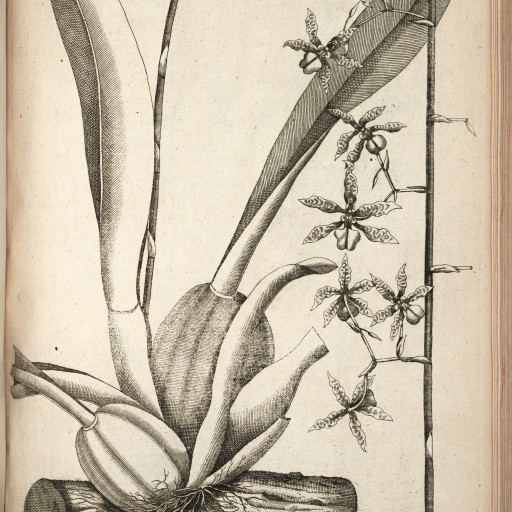
Commonly known as the Dancing Lady Orchid, the Oncidium is a showstopper in the world of indoor gardening. These vibrant epiphytes are famous for their sprays of tiny, ruffled flowers that flutter in the slightest breeze, mimicking a ballroom full of dancers in flowing skirts. Native to the tropics of Central and South America, they have evolved to cling to tree branches, soaking up filtered sunlight and humidity.
🔍 How to Identify
- 💃 The "Dancing" Bloom: The most distinct feature is the oversized, flared "lip" of the flower (the labellum), which looks remarkably like a wide, Victorian-style dress.
- 🥔 Storage Bulbs: At the base of the plant, you will find "pseudobulbs"—thick, green, onion-like swellings that the plant uses to store water and nutrients for dry periods.
- 🌿 Branching Sprays: Unlike the single stems of Moth Orchids, Oncidiums produce long, arching, and often branched flower spikes that can hold dozens (or even hundreds) of individual blossoms.
🏡 In Your Garden
- ☀️ The Light Hunger: Oncidiums generally crave more light than your average orchid. If the leaves are dark green, they aren't getting enough sun; look for a "grassy" medium-green color to ensure they have the energy to produce those massive flower spikes.
- 💧 The Pseudobulb Rule: These plants communicate their thirst through their bulbs. If the pseudobulbs look plump and smooth, the plant is hydrated. If they start to look shriveled and wrinkled like a raisin, it’s time to increase your watering or humidity.
- 🌬️ Airy Feet: Because they grow on trees in the wild, they despise "wet feet." They require a chunky, bark-based potting mix that allows air to circulate freely around their roots to prevent rot.
⚠️ Safety & Toxicity
- 🐾 Pet Friendly: Great news for animal lovers! Oncidium orchids are widely considered non-toxic to both cats and dogs.
- 👶 Safe for Kids: These plants are non-poisonous to humans. However, because they are often grown in bark or moss, keep an eye on toddlers to ensure they don't try to "sample" the potting medium.
✨ Fun Fact
One of the most famous varieties of this genus is the Oncidium 'Sharry Baby.' It is world-renowned among enthusiasts because its flowers emit a powerful, delicious scent that smells exactly like rich milk chocolate and vanilla!

Detailed Care Instructions
| Humidity | Normal |
| Lighting | Part Sun |
| Toxicity | Poisonous |
| Difficulty | Medium |
| Temperature | 18°C - 30°C |
| Hardiness Zones | 9 - 11 |
To grow an Oncidium plant, you can follow these steps:
- Light: Oncidium plants need bright, indirect light to grow well. Place them near a window where they can receive a few hours of morning or evening sun. Avoid direct sunlight as it can burn the leaves.
- Temperature: Keep the temperature between 60-75°F (15-24°C) during the day and around 55-65°F (13-18°C) at night. They require a cooler period of around 10-15°F (5-8°C) difference between day and night temperatures to stimulate blooming.
- Humidity: Oncidiums prefer higher humidity levels. You can increase humidity by placing a tray filled with water near the plant or by using a humidifier. Mist the plant with water occasionally, especially during dry weather.
- Watering: Water the plant when the top inch of soil feels dry. Oncidiums prefer to have their roots dry out slightly between waterings. Water thoroughly, allowing the water to drain out completely to prevent waterlogged roots, which can lead to rot.
- Fertilizer: Use a balanced orchid fertilizer with a ratio such as 20-20-20. Feed the plant once a month during the growing season (spring and summer) and reduce or stop fertilizing during the blooming season (fall and winter). Follow the instructions on the fertilizer package.
- Potting medium: Oncidiums prefer a loose, well-draining potting mix. A popular option is a mix of bark, sphagnum moss, and perlite. Repot the plant every 1-2 years or when the potting mix starts to break down.
- Pruning: Remove any dead or yellowing leaves and faded flowers to maintain the plant's health and appearance. Trim back old flower spikes but leave the green part to encourage re-blooming.
- Air circulation: Good air circulation is important for preventing fungal and bacterial diseases. Avoid placing the plant in a stagnant or overly humid area.
By following these guidelines, you should be able to successfully grow and care for your Oncidium plant.

Place in a window with dappled sun or a spot in the middle of a room. Or directly in a window facing west or east.

If you want to water an orchid plant of the genus Oncidium, there are some important factors to consider. First, you will need to assess the soil and the moisture level, paying attention to both the surface of the soil and the depth. You may want to test the soil for moisture content, or simply observe the plant over time to get a sense of its watering needs.
In general, you will want to water an Oncidium plant thoroughly but not too frequently. This means allowing the soil to dry out somewhat between waterings, but not letting it become completely dry. You should also avoid watering from the top, as moisture on the leaves and flowers can lead to rot and fungal growth.
Instead, you can either water the plant from the bottom by placing the pot in a tray of water and allowing it to soak up moisture through the drainage holes, or by watering the plant directly at the base. When watering, you should aim to give the plant a good drink, ensuring that the root system is fully submerged. Afterward, allow any excess water to drain away and avoid leaving the plant in standing water.
Factors that can affect watering needs for an Oncidium plant include the temperature, humidity, and light levels in the environment. You may need to adjust your watering schedule based on these factors, as well as the growth stage of the plant. With regular care and attention, an Oncidium plant can thrive and produce beautiful blooms.
- Use a fertilizer with a balanced N-P-K ratio, such as 20-20-20 or 10-10-10.
- Dilute the fertilizer to half its recommended strength.
- Use the diluted fertilizer to water the plant once every two weeks during the growing season.
- During the dormant season, fertilize once a month or not at all.
- Always water the plant well before and after fertilizing.
The ideal soil for this type of plant is a loose and well-draining mix that can retain moisture without becoming waterlogged. A soil mix that is made up of equal parts of bark, perlite, and peat moss is recommended. This will provide good air circulation and allow the roots to grow freely. The mix should be slightly acidic with a pH between 5.5 and 6.5. Fertilizer should be added sparingly to avoid overfeeding the plant, and the soil should be regularly aerated to prevent compaction. It is important to choose a soil that is appropriate for the specific growing conditions of the plant and to ensure that it meets the nutritional requirements needed for healthy growth.
Oncidium plants can be propagated using two methods: division and keiki propagation.
Division:
- Choose a mature, healthy plant with several pseudobulbs.
- Carefully remove the plant from its pot, taking care not to damage the roots.
- Separate each pseudobulb and its attached roots into individual sections using a clean, sharp knife or scissors.
- Replant each section into a clean, well-draining potting mix, ensuring that the pseudobulbs are just slightly above the surface. Water thoroughly.
- Place the new plants in a warm, brightly lit area, protected from direct sunlight, until they are well established.
Keiki Propagation:
- Look for small plantlets or "babies" growing along the stem of the parent plant. These are called keikis.
- Cut the keiki away from the parent plant, taking care to leave some of the stem attached.
- Dip the cut end in rooting hormone powder, if desired.
- Plant the keiki in a small pot filled with a well-draining potting mix.
- Water the keiki thoroughly and keep it in a warm, brightly lit area, protected from direct sunlight.
- Over time, the keiki will develop its own roots and can be transplanted into a larger pot once it has outgrown its initial container.
Common pests of the common oncidium include Scale insect, mealybugs, spider mites, thrips. Make a habit of checking your common oncidium frequently for pests so that any infestations can be caught and managed early.







