Plant Overview
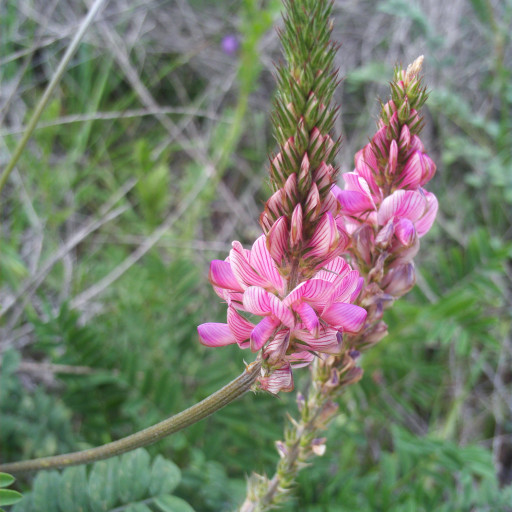
Known famously as Sainfoin or "Healthy Hay," Onobrychis viciifolia has been a staple of European meadows for centuries. Its name is derived from the French sain foin, reflecting its historical reputation as a highly nutritious and medicinal fodder for livestock. With its elegant, candy-striped pink blooms and feathery foliage, it bridges the gap between a hard-working agricultural crop and a stunning ornamental wildflower.
🔍 How to Identify
- 🌸 Striking Flowers: The plant produces upright, cone-shaped spikes (racemes) crowded with small, pea-like flowers. They are usually a vibrant pink with delicate, dark red or purple veins running through the petals.
- 🌿 Feathery Foliage: The leaves are "pinnate," meaning they consist of 6 to 14 pairs of small, oblong leaflets arranged along a central stalk, giving the plant a soft, fern-like appearance.
- 📏 Sturdy Stature: It grows in a bushy, upright clump, typically reaching 1 to 3 feet in height. The stems are slightly hairy and hollow, branching out to create a lush, airy silhouette.
🏡 In Your Garden
- 🧱 Alkaline Specialist: Sainfoin is a "calcicole," meaning it absolutely loves chalky, lime-rich, or alkaline soils. If you have poor, rocky soil where other plants struggle, this hardy perennial will likely thrive.
- 💧 Drought Resilience: Thanks to a deep, powerful taproot, this plant is incredibly drought-tolerant. This root also "fixes" nitrogen in the soil, naturally fertilizing the ground for its neighbors.
- 🐝 Pollinator Magnet: It is legendary among beekeepers. Sainfoin produces significantly more nectar than white clover, making it a top-tier "honey plant" that will keep your garden buzzing with bees and butterflies all summer.
⚠️ Safety & Toxicity
- ✅ Safe for Everyone: Onobrychis viciifolia is non-toxic to humans, cats, dogs, and horses.
- 🌾 A Healthy Alternative: Unlike many other legumes (like Alfalfa), Sainfoin contains natural tannins that prevent "bloat" in grazing animals, making it one of the safest forage plants in the world.
✨ Fun Fact
The genus name Onobrychis comes from the Ancient Greek words for "donkey" and "to bray." It was believed that the smell or taste of the plant was so delicious that it would cause donkeys to bray with excitement!

Detailed Care Instructions
To grow Onobrychis viciifolia (also known as Sainfoin), follow these steps:
- Climate and soil requirements: Sainfoin grows best in dry, warm climates. It prefers well-drained, fertile soil with a pH range of 6 to 7. It can tolerate alkaline soils better than other legumes.
- Seed selection and preparation: Obtain high-quality sainfoin seeds from a reputable nursery or supplier. Before sowing, scarify the seeds by scratching the hard seed coat to improve germination rates.
- Planting time: Sow the seeds in early spring or late fall when the soil temperature is above 10°C (50°F).
- Site preparation: Choose a sunny location for planting. Clear the area of weeds, rocks, and debris. Loosen the soil to a depth of 6-8 inches and remove any large clumps.
- Sowing the seeds: Broadcast the seeds evenly over the prepared soil. Sainfoin requires a seeding rate of about 30 pounds per acre. If planting in a smaller area, adjust the quantity accordingly.
- Soil coverage: Lightly rake the soil over the seeds to ensure good soil-seed contact, but avoid burying them too deeply.
- Watering and irrigation: Water the newly planted seeds immediately after sowing. Keep the soil moist until the seedlings emerge. Once established, sainfoin has good drought tolerance, but watering during dry periods can help maintain healthy growth.
- Weed control: Monitor the area for weed growth and remove any competing plants. Mulching around the seedlings can help suppress weed growth.
- Fertilization: If the soil lacks essential nutrients, consider incorporating a balanced fertilizer before planting. Consult a soil test or seek advice from a local agricultural extension office for appropriate recommendations.
- Maintenance: As the plants grow, provide support in the form of trellises or stakes if necessary. Remove any dead or diseased plants promptly to prevent the spread of diseases.
- Harvesting: Depending on the intended use (pasture, hay, or green manure), sainfoin can be harvested during the flowering stage or left to mature for seed production. Cut the plants about 4-6 inches above the ground.
- Replanting or regrowth: If left unharvested, sainfoin can regrow after cutting or grazing, providing multiple harvests throughout the growing season.
Note: It is important to consult with local agricultural authorities, extension offices, or experienced growers in your region for specific guidance and recommendations tailored to your location and conditions.

Place in a bright room that is sun drenched almost all day. Or directly in a south-facing window.

To properly water this plant, it is important to understand its water requirements and growth habit. The plant prefers well-draining soil that is kept consistently moist but not waterlogged. Overwatering can lead to root rot and other issues.
Generally, it is recommended to water the plant deeply once or twice a week, depending on the weather and soil conditions. This allows the roots to absorb the water and encourages deep root growth. It is important to water at the base of the plant, rather than overhead, as this can lead to disease and fungal issues.
During periods of hot, dry weather or if the plant is located in a container, it may require more frequent watering. However, it is important to not water too often as this can also lead to issues.
To determine if the plant needs water, simply stick your finger into the soil up to your second knuckle. If the soil feels dry at this depth, it is time to water. Water the plant slowly and thoroughly, allowing the soil to fully absorb the water.
It is also important to avoid watering at times when the sun is directly on the plant, as this can lead to burning or scorching of the leaves. Instead, water during the early morning or late afternoon when the sun is not as intense.
Overall, Onobrychis Viciifolia plants require consistent, deep watering to thrive. By monitoring the soil moisture and adjusting watering frequency as needed, you can provide the plant with the proper amount of water for optimal growth.
To fertilize Onobrychis Viciifolia, use a balanced, slow-release fertilizer with an NPK (nitrogen, phosphorus, potassium) ratio of 10-10-10. Follow these instructions:
- Begin fertilizing in early spring when new growth emerges.
- Measure the recommended amount of fertilizer based on the package instructions.
- Spread the fertilizer evenly around the base of the plant, ensuring it does not come into direct contact with the stem.
- Gently work the fertilizer into the top layer of soil using a garden fork or rake.
- Water the plant thoroughly after applying the fertilizer to help it dissolve and reach the roots.
- Repeat the fertilization process every 4-6 weeks throughout the growing season, typically until late summer or early fall.
- Monitor the plant's growth and adjust the fertilization frequency if needed, avoiding over-fertilization.
- Always follow the specific instructions and recommended dosage on the fertilizer packaging.
- Store any leftover fertilizer in a cool, dry place away from children and pets.
Note: Onobrychis Viciifolia may also benefit from additional organic matter such as compost or well-rotted manure applied as a soil amendment.
The most suitable soil for the plant should be well-draining and slightly acidic in nature. It should have a good organic matter content, but also be fertile and not too compacted. The ideal soil pH should be between 6.0 and 7.0. It is recommended to incorporate compost or other organic materials to improve the soil's fertility and structure. The plant also prefers a soil that is slightly sandy or loamy and can tolerate occasional dry spells. However, it should not be planted in heavy clay soils, which can cause waterlogging and lead to root rot. Proper drainage is vital for this plant to thrive. Adding a layer of mulch also helps to maintain soil moisture and temperature levels while suppressing weeds.
Onobrychis viciifolia, commonly known as (omitted common names), is a perennial flowering plant. It can be propagated through several methods, including:
- Seed propagation: Collect mature seeds from the plant during the autumn season when the seed pods have dried and turned brown. Scarify the seeds by nicking the hard outer coat to enhance germination. Soak the seeds in water for 24 hours before sowing to promote germination. Sow the seeds in well-draining soil or seed trays, at a depth of approximately 1/4 inch. Keep the soil consistently moist, and place the trays or pots in a protected area with partial shade. Germination usually occurs within 10-21 days. Once the seedlings are large enough to handle, transplant them into individual pots or directly into the desired location.
- Rhizome division: Onobrychis viciifolia forms rhizomes, which are underground stems. To propagate through division, identify a mature plant that has been growing for at least three years. Carefully dig around the plant to expose the rhizomes. Gently separate the rhizomes from the main plant, ensuring each division has at least one healthy shoot and a portion of the rhizome. Replant the divided sections immediately in well-draining soil, at the same depth as they were originally growing. Water thoroughly and monitor for establishment.
- Stem cuttings: Select healthy, non-flowering stems from the plant. Cut a 4-6 inch stem just below a node, making a clean cut with a sharp, sterile knife or pruners. Remove the lower leaves, leaving only a few at the top. Dip the cut end into a rooting hormone powder to improve success rates. Insert the cutting into a pot filled with a well-draining rooting medium, such as perlite or vermiculite. Keep the soil consistently moist and maintain high humidity by covering the pot with a clear plastic bag or utilizing a misting system. Place the pot in a warm location with indirect light. Rooting typically takes several weeks to a few months. Once the roots have developed, transplant the cutting into a larger pot or directly into the garden.
Regardless of the propagation method chosen, ensure the newly propagated plants are provided with adequate sunlight, well-draining soil, and regular watering until they become established. As Onobrychis viciifolia is a perennial plant, it will continue to grow and produce seeds or rhizomes, allowing for further propagation in subsequent seasons.








