Plant Overview
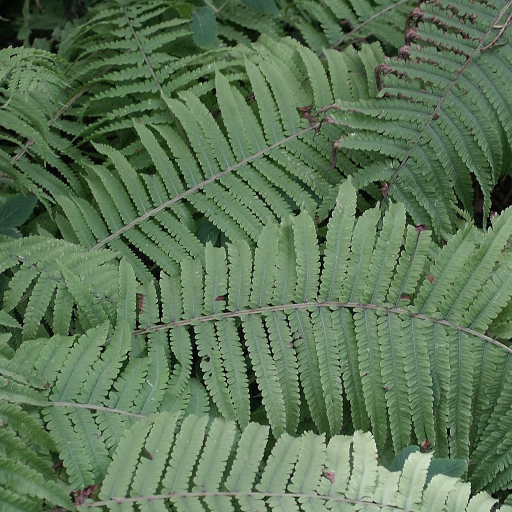
Known as the "Ostrich Fern," this architectural giant is a favorite for woodland gardens and shaded landscapes. Its dramatic, feather-like fronds rise in a perfect "shuttlecock" shape, evoking the lush atmosphere of an ancient, primeval forest. Whether you are foraging for its famous spring fiddleheads or looking for a hardy groundcover, this fern is a majestic addition to any damp corner of the world.
🔍 How to Identify
- 🌿 The Fronds: Large, bright green, deeply divided fronds that taper toward both the base and the tip, mimicking the elegant curve of an ostrich tail feather.
- 🏹 The Growth Habit: The leaves grow in a distinct circular arrangement, radiating outward from a central crown to create a vase-like silhouette.
- 🍂 Fertile Fronds: In late summer, look for shorter, rigid, dark brown stalks in the center of the plant. Unlike the green leaves that die back in winter, these woody "spore-bearing" fronds stay standing through the snow.
🏡 In Your Garden
- 💧 The Moisture Seeker: This fern is a true "water-lover." It thrives in damp, boggy spots where other plants might struggle with "wet feet," making it a perfect choice for rain gardens or the edges of a pond.
- 🏃 Space to Wander: It spreads via underground runners called rhizomes. While it isn't aggressive, it will happily fill a large, shaded area over time, creating a lush, Jurassic-looking carpet that helps suppress weeds.
⚠️ Safety & Toxicity
- 🐾 Pet Friendly: Great news for animal lovers—the Ostrich Fern is considered non-toxic to cats, dogs, and horses, making it a "worry-free" choice for backyard landscaping.
- 🍴 Edibility Note: While the young, tightly coiled "fiddleheads" are a famous culinary delicacy, they must be cleaned and thoroughly cooked (boiled or steamed) before eating. Consuming them raw or undercooked can lead to severe stomach upset.
✨ Fun Fact
- 🦖 Living History: Ferns like the Onoclea struthiopteris have been around for millions of years. Their ancestors provided shade for dinosaurs long before flowering plants or colorful blossoms even existed!

Detailed Care Instructions
To grow Onoclea struthiopteris, also known as the Ostrich Fern, you can follow these steps:
- Choose the right location: Ostrich Ferns prefer partially shaded areas with moist, rich soil. Select a spot where the plant receives dappled sunlight or morning sun and afternoon shade. Avoid locations with intense direct sunlight or dry soil.
- Prepare the soil: Ostrich Ferns thrive in well-draining, organic-rich soil. Amend the soil with compost or well-rotted manure to improve moisture retention and nutrient content.
- Planting: Dig a hole that is about as deep and wide as the fern's root ball. Place the plant in the hole, ensuring that the crown (where the roots meet the foliage) is level with the soil surface. Backfill the hole with soil, gently firming it around the roots. Water thoroughly after planting.
- Watering: Ostrich Ferns require consistent moisture to grow successfully. Keep the soil evenly moist, especially during dry periods. Water deeply when the top inch of soil feels dry to the touch. Use mulch around the base of the plant to retain moisture and regulate soil temperature.
- Fertilization: Apply a balanced organic fertilizer in spring and mid-summer to promote healthy growth. Follow the instructions on the fertilizer package for the appropriate dosage.
- Divide and propagate: Ostrich Ferns can be divided every few years to prevent overcrowding. Dig up the clump and separate it into smaller sections, ensuring each division has a healthy set of roots. Replant the divisions in suitable locations, following the same planting instructions as above.
- Pest and disease control: Ostrich Ferns are generally resistant to pests and diseases. However, keep an eye out for slugs and snails, which may feed on the foliage. Regularly inspect the plants and remove any pests manually or use appropriate organic pest control methods if necessary.
By following these steps and providing the appropriate care, you can enjoy the graceful beauty of the Ostrich Fern in your garden.

Place in a window with dappled sun or a spot in the middle of a room. Or directly in a window facing west or east.

This plant belongs to the fern family and requires consistent moisture to thrive. It is best to water it regularly, allowing the soil to remain slightly damp but never waterlogged. Ensure that excess water can drain away from the plant to avoid root rot. Depending on the habitat of the plant, it may benefit from misting or a humidifier to maintain the necessary level of moisture in the air. In addition, avoid exposing the plant to direct sunlight or overly-dry conditions, which can cause it to wilt or brown.
To fertilize the Onoclea Struthiopteris plant, follow these instructions:
- Choose a balanced, water-soluble fertilizer that is specifically formulated for ferns or other shade-loving plants.
- Dilute the fertilizer according to the package instructions, usually around half or quarter strength.
- In early spring, after the plant starts to show new growth, begin fertilizing.
- Water the plant thoroughly before applying the fertilizer to ensure even distribution.
- Apply the diluted fertilizer solution to the soil around the base of the plant, taking care not to pour it directly onto the foliage.
- Repeat the fertilization every 4-6 weeks during the active growing season, typically from spring to early autumn.
- Adjust the frequency and dilution rate based on the plant's response and the specific instructions provided with the fertilizer.
- Avoid over-fertilizing, as this can lead to salt buildup and damage the plant. Always err on the side of caution and follow the package instructions for best results.
- Monitor the plant for any signs of nutrient deficiencies or excesses, such as pale or yellowing leaves, and adjust the fertilization accordingly.
- In late autumn or winter, reduce or stop fertilizing as the plant enters its dormant period. Resume fertilization in the following spring.
The ideal soil to use for this plant would be moist and high in organic matter. It should have good drainage and be slightly acidic, with a pH range between 5.0 and 6.0. The soil should also be well-aerated and have a loose texture to allow for development of the plant's root system. It is important to avoid using heavy or clay soils, as this may cause waterlogging and lead to root rot. Using a soil mix with added perlite or coarse sand would provide better drainage and aeration. Overall, the soil should be well-suited for ferns and their specific growing requirements.
To propagate the Onoclea Struthiopteris plant, you can follow these steps:
- Select a healthy mature plant: Choose a well-established parent plant that is free from pests, diseases, and any stress factors. This will ensure that the propagated plant starts off strong.
- Choose the method of propagation: There are a few methods you can use to propagate the plant, such as spores, division, or rhizome cuttings. Each method has its advantages and requirements, so select the one that suits your needs best.
- Spore propagation: If propagating through spores, you need to collect mature spores from the underside of mature fronds. Let the spores dry and then sow them on a moist growing medium, ensuring there is good ventilation. Keep the tray covered with a clear plastic lid to maintain humidity, and place it in a warm environment with indirect light. After a few weeks, when small ferns start growing, you can transplant them to individual pots.
- Division: This method involves splitting an established plant into multiple sections. Gently remove the parent plant from its pot or the ground, being careful not to damage the roots. Divide the plant into smaller sections, ensuring each section has a few fronds and a portion of the rhizome (underground stem). Plant the divided sections in separate pots or in suitable areas in the garden, maintaining proper watering and care.
- Rhizome cuttings: This method involves taking a portion of the rhizome from the parent plant and using it to start a new plant. Cut a healthy section of the rhizome using a clean and sharp tool. Make sure the cutting has several healthy fronds attached. Plant the cutting in a pot or directly in the ground, ensuring the rhizome is buried just below the surface. Keep the soil moist, but not waterlogged, and provide appropriate lighting conditions.
- Provide optimal growing conditions: Regardless of the propagation method chosen, it is crucial to provide the newly propagated plant with suitable conditions. Onoclea Struthiopteris plant prefers partial to full shade and a moist, well-draining soil rich in organic matter. Regular watering and occasional fertilization can also aid in healthy growth.
By following these steps, you can successfully propagate the Onoclea Struthiopteris plant and expand your collection or share it with others.
Common pests of the ostrich fern include Mealybugs, spider mites, aphids. Make a habit of checking your ostrich fern frequently for pests so that any infestations can be caught and managed early.








