Plant Overview
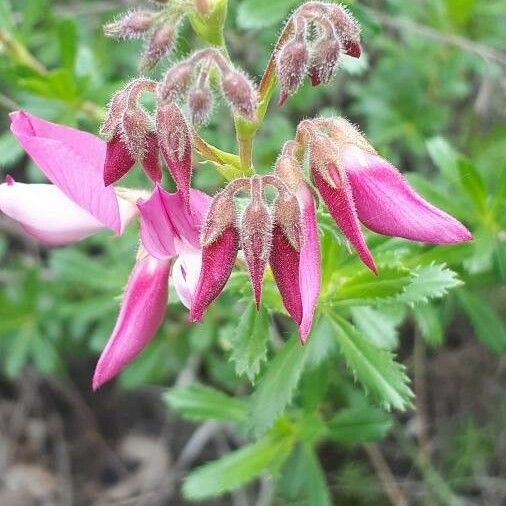
Meet the Shrubby Restharrow, a rugged Mediterranean beauty that brings a splash of soft pink to rocky landscapes. Historically, this plant was the bane of European farmers; its roots were so tough and stubborn that they were said to "arrest" or stop a horse-drawn harrow in its tracks, giving the plant its distinctive common name. Today, it is a favorite for rock gardens due to its resilience and delicate, pea-like blossoms.
🔍 How to Identify
- 🌸 The Flowers: Large, attractive pink-to-mauve blossoms that look like tiny butterflies. They feature the classic "banner, wings, and keel" shape typical of the pea family.
- 🌿 The Foliage: Small, greyish-green leaves that are trifoliate (divided into three leaflets). The leaf edges are often finely toothed and may feel slightly sticky to the touch.
- 🪵 The Structure: Unlike other wild Restharrows that crawl along the ground, Ononis fruticosa forms a neat, woody shrublet that stands upright, reaching about 1 to 2 feet in height.
🏡 In Your Garden
- ☀️ Sun and Drainage: This plant is a sun-worshipper. It thrives in hot, dry spots and requires sharp drainage; if its "feet" stay wet during the winter, it likely won't survive until spring.
- 🪨 The Forever Home: Because of that famous "harrow-stopping" taproot, this plant hates being moved. Always plant it in its permanent location while it is still young, as mature specimens rarely survive transplanting.
- 🥣 Soil Nuance: It is a specialist in poor, alkaline soils. It actually prefers limestone-heavy ground where more delicate flowers might struggle to grow.
⚠️ Safety & Toxicity
- ✅ Non-Toxic: Shrubby Restharrow is generally considered safe and non-toxic for humans, cats, and dogs.
- 🧤 Physical Irritation: While not poisonous, the plant is covered in glandular hairs that can feel sticky. Some people with very sensitive skin may experience mild irritation after heavy pruning, so gloves are a good idea.
✨ Fun Fact
- 🫏 A Donkey's Snack: The genus name Ononis is derived from the ancient Greek word onos, meaning "donkey." While most livestock avoid the tough, woody stems, donkeys were famously known to find the plant quite delicious!

Detailed Care Instructions

Place in a bright room that is sun drenched almost all day. Or directly in a south-facing window.

To properly water this particular plant species, it is important to ensure that the soil is consistently moist but not waterlogged. Therefore, it is recommended to water the plant deeply once or twice a week, depending on the weather and humidity levels in the environment.
When watering, it is important to avoid getting water on the leaves and to instead target the soil directly. Overhead watering can cause water to pool on the leaves and increase the risk of foliar diseases.
Additionally, it is important to avoid letting the plant sit in standing water as this can lead to root rot. Therefore, make sure the pot or container has adequate drainage holes to allow excess water to drain away.
Overall, the key to watering this plant is to maintain a consistent moisture level in the soil without overwatering, and to avoid getting water on the leaves.
The ideal soil for the plant should have good drainage and a pH level between 6.5 and 7.5. It should be a well-draining soil mixture that contains organic matter and nutrients such as nitrogen, phosphorus, and potassium. A recommended mixture is a combination of sand, perlite, and peat, with compost added for fertility. The soil should also be able to retain moisture without becoming waterlogged. Additionally, it is important to ensure that the soil has no insect pests or diseases that could harm the plant's growth and health.








