Plant Overview
Known as the "Restharrow," Ononis spinosa is a tough-as-nails perennial wildflower that earned its name in the days of horse-drawn farming. Its woody, deep-reaching roots and stiff stems were famously sturdy enough to "arrest" or stop a harrow (a heavy soil-tilling tool) in its tracks. While it was once the bane of European farmers, it is now admired for its beautiful, pea-like blossoms and its ability to thrive in the harshest conditions.
🔍 How to Identify
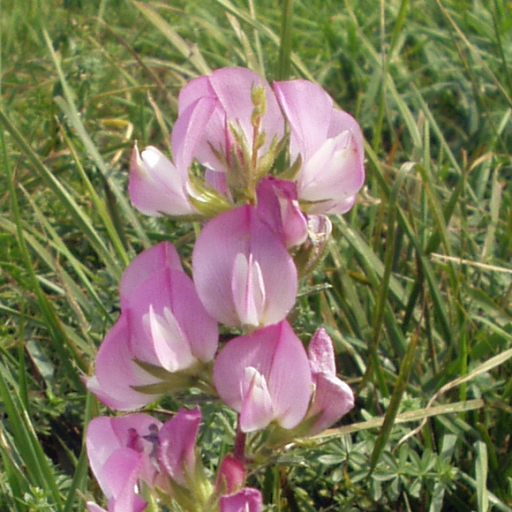
- 🌸 Butterfly Blossoms: It produces charming, pink-to-mauve flowers that resemble mini butterflies or sweet peas, often featuring delicate white or darker pink veining.
- 🌵 The Spiny Armor: True to its name, the plant is covered in sharp, woody spines that emerge from the leaf axils, protecting it from grazing animals.
- 🍃 Textured Foliage: The leaves are small, trifoliate (in groups of three), and slightly "sticky" to the touch due to glandular hairs.
🏡 In Your Garden
- 🏜️ Tough Love Soil: This plant is a specialist for "bad" soil. It thrives in dry, chalky, or heavy clay areas where more delicate flowers would wither, making it a great choice for wilder, low-maintenance rockeries.
- 🦋 Nature's Cafeteria: It is a vital host plant for several species of butterflies, particularly the Common Blue, and its nectar-rich flowers are a favorite for long-tongued bumblebees.
⚠️ Safety & Toxicity
- 🛡️ Physical Hazard: While Ononis spinosa is generally considered non-toxic to humans and common pets, its primary defense is physical. The sharp spines can easily puncture skin or paws.
- 🧤 Handling Advice: Always wear thick gardening gloves when pruning or clearing this plant to avoid painful pricks and minor skin irritation from the sticky hairs.
✨ Fun Fact
In folk medicine, the roots of the Spiny Restharrow were used for centuries as a potent diuretic. Medieval herbalists believed that because the plant could "break" a farmer's plow, it could also "break" stones in the human body.

Detailed Care Instructions
To grow Ononis spinosa plant, also known as spiny restharrow, you can follow these steps:
- Select a suitable location: Ononis spinosa prefers full sun but can tolerate partial shade. It grows best in well-draining soil.
- Prepare the soil: Loosen the soil using a garden fork or tiller. Remove any weeds or rocks from the area.
- Sow the seeds: If you have seeds, sow them directly into the prepared soil in early spring or fall. Gently press the seeds into the soil, ensuring they are covered with a thin layer of soil. Space them about 12 inches (30 cm) apart.
- Watering: Keep the soil moist, but avoid overwatering. Water deeply, but only when the top inch (2.5 cm) of soil feels dry.
- Weed control: As the plants start to grow, weed the area regularly to prevent competition for nutrients and resources.
- Support: As Ononis spinosa grows, it may require support. Install stakes or cages around the plant for support and to prevent them from falling over.
- Mulching: Apply a layer of mulch around the base of the plant to help retain moisture, suppress weed growth, and regulate soil temperature.
- Pruning: Prune Ononis spinosa lightly in early spring to remove any dead or damaged branches. This will encourage new growth.
- Fertilization: Ononis spinosa plants generally do not require heavy fertilization. However, if your soil lacks nutrients, you can apply a balanced slow-release fertilizer according to the manufacturer's instructions.
- Pest and disease control: Ononis spinosa is relatively resistant to pests and diseases. However, keep an eye out for common garden pests such as aphids, slugs, or snails. If necessary, use organic pest control methods to address any infestations.
- Harvesting: You can harvest the flowers, leaves, roots, or seeds of Ononis spinosa for various purposes. Harvest the flowers when they are fully open, and the seeds when they have turned brown. The roots can be dug up in late autumn or early spring.
Remember to research any regulations or restrictions regarding the cultivation of Ononis spinosa in your specific region.

Place in a bright room that is sun drenched almost all day. Or directly in a south-facing window.

Ononis Spinosa is a shrub plant that requires adequate watering to grow healthy and vigorous. To water this plant, you should ensure that the soil is moist but not waterlogged. Overwatering can lead to root rot and the plant's death.
To water efficiently, use a watering can or hose with a spray nozzle, and pour water at the base of the plant. Try to avoid getting water on the leaves, as this can encourage fungal growth. Water the plant deeply once or twice a week, depending on the weather conditions and rainfall. During hot and dry weather, increase the frequency of watering to prevent the plant from drying out.
Additionally, it is important to keep the soil well-drained to prevent waterlogging. If the soil is heavy, add organic matter such as compost or manure to improve drainage. Mulching around the base of the plant can also help to retain moisture in the soil and regulate soil temperature.
To ensure the plant receives optimal nutrients and water absorption, avoid using tap water or softened water. These types of water may contain high levels of salt or minerals that can harm the plant's roots. Instead, use filtered water or collect rainwater to water the plant.
Overall, providing adequate water to Ononis Spinosa is critical in maintaining its health and promoting growth.
- Choose a well-draining soil mix: Ononis Spinosa plants thrive in soil that is fertile and well-draining. Use a potting mix that includes a combination of peat moss, perlite, and sand.
- Provide adequate sunlight: Place the Ononis Spinosa plant in an area that receives full sunlight for at least 6 hours a day. This plant requires ample sunlight to grow and flower properly.
- Water regularly: Water the plant deeply and thoroughly, allowing the soil to dry out slightly between waterings. Avoid over-watering, as Ononis Spinosa plants are not tolerant of soggy conditions.
- Apply a balanced fertilizer: Use a balanced, slow-release fertilizer with an NPK ratio of around 10-10-10 or similar. Apply the fertilizer according to the manufacturer's instructions, usually every 4-6 weeks during the growing season.
- Prune as needed: Prune the plant in early spring to remove any dead or damaged branches. This will stimulate new growth and maintain a healthy shape for the Ononis Spinosa plant.
- Mulch the soil: Apply a layer of organic mulch, such as wood chips or straw, around the base of the plant. This will help conserve moisture, suppress weed growth, and provide additional nutrients as it breaks down.
- Monitor for pests and diseases: Keep an eye out for any signs of pest infestations, such as aphids or spider mites. Treat any issues promptly using appropriate organic or chemical insecticides. Also, watch for any signs of diseases, such as root rot, and take necessary actions to prevent or treat them.
- Provide support if necessary: Ononis Spinosa plants can grow tall and leggy, so consider providing stakes or supports to keep the plant upright. This will prevent it from toppling over or bending under its own weight.
Note: If you have any doubts or specific concerns about the fertilization of your Ononis Spinosa plant, it is always recommended to consult with a local gardening expert or nursery for personalized advice and recommendations.
The most suitable soil for Ononis Spinosa plant is a well-draining sandy soil that is rich in organic matter. The pH level of the soil should be neutral to slightly alkaline. The plant prefers soil that is not too wet or compacted, as this can lead to root rot. It is important to avoid using heavy clay soils or soils with poor drainage. Adding compost or other organic matter to the soil can help improve its texture and fertility. Additionally, Ononis Spinosa plants benefit from occasional fertilization with a balanced fertilizer.
Ononis Spinosa is a perennial plant species that belongs to the Fabaceae family. It is native to various regions of Europe, including the Mediterranean. The plant is known for its beautiful flowers, which bloom in vibrant shades of pink or purple.
If you're interested in propagating Ononis Spinosa, there are a few methods you can try:
- Seed Propagation: Begin by collecting mature seeds from the plant. These seeds are usually enclosed inside small pods that form after the flowers have faded. Remove the seeds from the pods and store them in a dry and cool place for a couple of weeks to prepare them for planting. To improve germination rates, you may also consider scarifying the seeds by gently nicking the hard outer shell. Once prepared, sow the seeds in well-draining soil, ensuring they are covered with a thin layer of soil. Water the seeds lightly and maintain moisture until germination occurs, which typically takes a few weeks. Transplant the seedlings to pots or a prepared garden area once they have developed a few sets of true leaves.
- Division: To propagate Ononis Spinosa through division, start by selecting a mature plant with well-established roots. Carefully dig up the plant, ensuring that you minimize damage to the roots. Once you have removed the plant from the ground, gently separate the root clumps into multiple sections using a clean and sharp tool. Each separated section should have a healthy amount of roots attached. Replant these divisions immediately in a prepared area or potted medium, making sure to provide adequate watering and suitable growing conditions.
- Stem Cuttings: Select a healthy stem from an established Ononis Spinosa plant. The stem should not be too young, as it may not be sufficiently mature for successful propagation. Make a clean cut just below a leaf node, ensuring the cutting is around 4-6 inches long. Remove any leaves from the lower half of the cutting to prevent excessive water loss. Dip the cut end into a rooting hormone powder or gel to promote root development. Place the cutting into a well-draining potting mix or a mixture of perlite and peat moss. Keep the cutting in a warm, humid environment with indirect sunlight. Mist the cutting regularly and ensure that the soil remains consistently moist, but not waterlogged. After several weeks, new roots should begin to form. Once a healthy root system is established, transplant the cutting to a larger pot or the desired garden location.
Regardless of the propagation method you choose, it's essential to provide newly propagated Ononis Spinosa plants with appropriate care, including adequate sunlight, well-draining soil, and regular watering. With patience and proper care, you should be able to propagate Ononis Spinosa successfully and enjoy the beauty of this plant in your garden or landscape.








