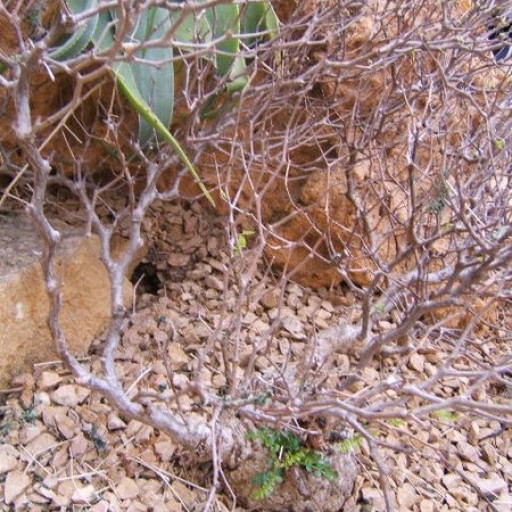
Plant Overview
Often called the Jabily or the Elephant Tree, this Madagascan native looks like a prehistoric relic shrunk down to fit on a windowsill. Its rugged, corky bark and naturally twisted branches give it the appearance of an ancient, weathered tree even when it is only a few years old. It is a favorite among bonsai enthusiasts because it captures the essence of a wild, windswept landscape without needing decades of specialized training.
🔍 How to Identify
- 🌳 The Trunk: The most striking feature is its "caudex"—a thick, succulent base that develops a bumpy, warty texture as it matures, resembling elephant skin.
- 🍃 The Foliage: It sports tiny, glossy, dark green leaves that are pinnate (feather-like). When crushed, these leaves emit a faint, resinous citrus scent.
- 🎋 Zig-Zag Branches: The young stems grow in a distinctive "divaricating" pattern, meaning they zig-zag back and forth, creating a dense, architectural canopy.
🏡 In Your Garden
- ☀️ Sun Worshiper: Coming from the dry forests of Madagascar, this plant craves bright, direct light. If kept in the shade, its branches will become "leggy" and lose that iconic compact, gnarled look.
- 💧 Drought Strategy: The fat trunk isn't just for show—it’s a water storage tank. This means the plant prefers a "soak and dry" routine. It hates "wet feet," so ensure your pot has excellent drainage to prevent the roots from suffocating.
- 🍂 Winter Rest: Don't panic if it drops its leaves in the winter! It often goes through a dormant period when temperatures drop, essentially taking a nap until the warmth of spring returns.
⚠️ Safety & Toxicity
- 🐾 Low Risk: Operculicarya decaryi is generally considered non-toxic to humans and common household pets like cats and dogs.
- 🧴 Sap Sensitivity: While not poisonous, the sap can be slightly resinous. If you are pruning the tree, it is a good idea to wash your hands afterward to avoid any mild skin irritation or sticky residue.
✨ Fun Fact
In the wild, these trees are "dioecious," meaning there are distinct male and female plants. You would need one of each living side-by-side to ever see the tiny red flowers produce any viable seeds!

Detailed Care Instructions
To grow Operculicarya Decaryi plant, also known as the elephant tree or bottle tree, follow these steps:
- Climate and location: Operculicarya Decaryi plant requires warm and sunny conditions. It is native to Madagascar and thrives in tropical and subtropical regions. Ensure that the plant receives plenty of sunlight throughout the day.
- Soil: Use well-draining soil with good aeration. A mixture of sandy soil, perlite, and succulent potting mix will work well for this plant. Avoid heavy clay soils that can lead to root rot.
- Watering: Operculicarya Decaryi plant is a succulent and can tolerate dry periods. Water thoroughly and allow the soil to dry out before watering again. Overwatering can cause root rot. During the winter months, reduce watering frequency as the plant enters a period of dormancy.
- Pot and container: Select a pot or container that has drainage holes to prevent waterlogging. The container should be slightly larger than the rootball to allow for growth.
- Fertilizer: Operculicarya Decaryi plant is not heavy feeders. During the growing season, you can use a balanced, slow-release succulent fertilizer. Follow the instructions provided on the fertilizer packaging.
- Pruning: Prune the plant to maintain its shape and remove any dead or diseased branches. Pruning can be done in early spring or late winter before the growing season.
- Propagation: Operculicarya Decaryi plant can be propagated from cuttings or seeds. Cuttings should be taken from healthy plants and left to dry for a couple of days before planting in well-draining soil. Seeds should be sown in well-draining soil and kept warm and moist until germination.
- Pests and diseases: The elephant tree is generally resistant to pests and diseases. However, be on the lookout for common succulent pests like mealybugs or spider mites. If infestations occur, treat with appropriate insecticidal soap or neem oil.
Remember to research specific care requirements based on your climate and growing conditions, as they may vary.

Place in a bright room that is sun drenched almost all day. Or directly in a south-facing window.

Operculicarya Decaryi plant requires proper watering to thrive. It is crucial to provide adequate moisture to the soil, avoiding both overwatering and underwatering.
To water this plant, pour water slowly and evenly over the soil, avoiding wetting the leaves and stems. Allow the soil to absorb the water and wait until the top inch of soil feels dry before watering again.
To test the moisture level of the soil, stick your finger two inches deep into the soil. If it feels dry at that depth, it's time to water. If it's still moist, hold off on watering for a few more days until it dries out.
It is important to note that the plant prefers soil that is relatively dry, so avoid overwatering or letting it sit in standing water. Water the plant less frequently during the winter months when growth is slower.
Overall, watering Operculicarya Decaryi plant requires proper timing and a delicate touch. With the right care, this plant can thrive and add a unique touch to your indoor or outdoor space.
To fertilize this plant, you should use a balanced fertilizer with an equal ratio of nitrogen, phosphorus, and potassium. During the growing season, apply the fertilizer every two weeks at half the recommended strength. Dilute the fertilizer with water before applying it to avoid burning the plant's roots. Reduce fertilization during the dormant season and avoid fertilizing newly planted or weak plants. Make sure to water the plant before and after fertilizing to avoid fertilizer burn.
Operculicarya Decaryi plant prefers well-draining soil that is rich in organic matter. Ideal soil for this plant should be a mix of sand, perlite, and peat moss. The soil should have a pH level between 6.0-7.5, and it should be kept moist but not waterlogged. Adding compost to the soil before planting can provide additional nutrients. Potting or transplanting this plant should be done in a container that has drainage holes to prevent water accumulation. The soil should be allowed to dry out slightly before watering the plant again, ensuring that the plant's roots don't suffer from root rot.
Operculicarya Decaryi plant can be propagated through stem cuttings. Here is a step-by-step guide on how to propagate the plant:
- Choose a healthy stem from the parent plant. Look for a stem that is young and has no sign of damage or disease.
- Cut the stem using clean and sharp pruning shears or scissors. Make sure to make a clean cut at an angle.
- Remove the leaves from the bottom half of the stem. Be careful not to damage the stem.
- Dip the cut end of the stem into rooting hormone powder. This will help the stem develop roots faster.
- Prepare a pot with well-draining soil. You can use a mix of sand, perlite, and peat moss.
- Make a hole in the soil using a pencil or a stick. Insert the stem cutting into the soil, making sure that the powder-coated end is buried in the soil.
- Water the soil lightly, taking care not to wash away the rooting hormone powder.
- Cover the pot with a plastic bag to create a mini greenhouse. This will help the stem cutting retain moisture and develop roots faster.
- Place the pot in a warm and bright spot, but avoid direct sunlight. The ideal temperature for rooting is around 75 °F.
- Check on the cutting regularly and water it when the soil feels dry.
After several weeks, the stem cutting should form roots and start to grow. You can then remove the plastic bag and transfer the young plant to a bigger pot or plant it in the ground.
Common pests of the elephant tree include Scale insect, mealybugs, spider mites, thrips. Make a habit of checking your elephant tree frequently for pests so that any infestations can be caught and managed early.








