Plant Overview
The Operculicarya pachypus, often called the "King of Madagascar Pachycauls," is a living sculpture that looks like a miniature, ancient baobab. Originating from the arid regions of Madagascar, this rare succulent is highly prized by bonsai enthusiasts for its naturally gnarled, "elephant-skin" bark and its incredibly thick, swollen trunk. In the wild, it survives punishing droughts by storing vast reservoirs of water in its base, making it a master of survival in harsh environments.
🔍 How to Identify
- 🐘 The Trunk: Unlike its cousin O. decaryi, the pachypus features a much more bulbous, conical base that tapers sharply, resembling a rugged, grey mountain.
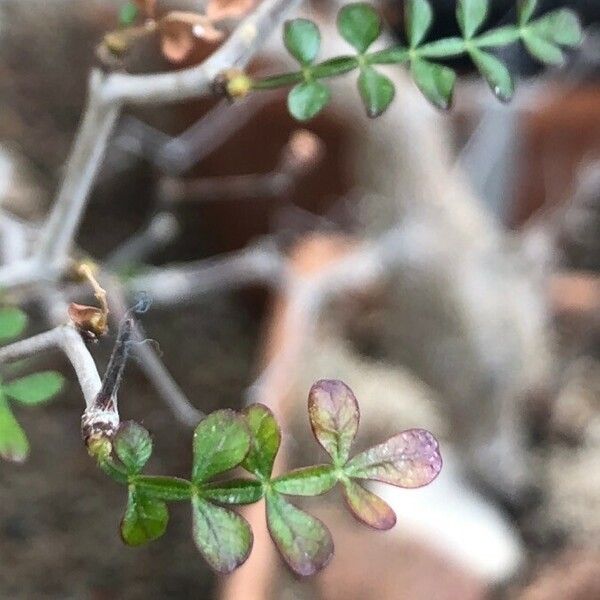
- 🌿 Tiny Foliage: It sports minuscule, glossy green pinnate leaves that look like tiny feathers. These leaves often turn beautiful shades of copper or gold during the dormant season.
- 🪵 Texture: The bark is deeply fissured and "corky," giving even young specimens the appearance of being centuries old.
🏡 In Your Garden
- ☀️ Sun Worshipper: This plant craves high-intensity light to keep its growth compact and its trunk thick. If it doesn't get enough sun, the branches will stretch and lose their characteristic "zigzag" aesthetic.
- 🪨 Gritty Foundations: It hates "wet feet." Because it stores so much water in its trunk, it requires a very porous, inorganic substrate (like pumice or lava rock) to prevent the roots from suffocating.
- 💤 The Winter Nap: Don't panic if it drops all its leaves in the winter. It is simply entering dormancy; during this time, you should almost entirely stop watering to avoid rot.
⚠️ Safety & Toxicity
- 🟢 Generally Safe: There are no widely reported cases of severe toxicity for humans or pets.
- 💧 Sap Sensitivity: Like many Madagascan plants, the sap may cause mild skin irritation or redness in sensitive individuals. It is always a good idea to wear gloves when pruning or repotting.
- 🚫 Not for Consumption: While not "deadly," it is an ornamental plant and should not be ingested by curious pets or children.
✨ Fun Fact
The name pachypus literally translates from Greek as "thick foot," a perfect description for its massive, stable base. Despite their massive appearance, these trees grow incredibly slowly—a specimen just a few inches tall could easily be over a decade old!

Detailed Care Instructions
Here are some steps to help you grow the Operculicarya Pachypus plant:
- Climate and Location: Ensure that your climate is suitable for growing this plant. Operculicarya Pachypus is native to Madagascar, so it thrives in warm and dry conditions. It is best grown in USDA hardiness zones 10-12 or indoors in colder climates.
- Light: Provide the plant with bright, indirect sunlight. Place it near a sunny window, but avoid direct sunlight as it can scorch the leaves.
- Temperature and Humidity: Operculicarya Pachypus prefer temperatures between 65-85°F (18-29°C). Maintain a moderate level of humidity, as too much humidity can cause leaf drop.
- Soil: Use a well-draining soil mix designed for succulents or cacti. Alternatively, you can create your own mix by combining regular potting soil with perlite or sand.
- Watering: Allow the soil to dry out completely between waterings. Operculicarya Pachypus is a succulent plant and is adapted to store water in its trunk, so it is more tolerant of underwatering than overwatering. Water sparingly during the growing season and reduce watering during winter dormancy.
- Fertilizer: Apply a balanced, water-soluble fertilizer diluted to half-strength during the active growing season (spring and summer). Avoid fertilizing during the winter months.
- Repotting: Repot the plant only when necessary, usually every 2-3 years. Choose a pot slightly larger than the previous one and use fresh potting soil. Be careful not to damage the plant's sensitive roots during the repotting process.
- Pruning: Operculicarya Pachypus can be pruned to maintain its shape and size. Pruning is best done during the spring or early summer. Use clean and sterilized pruning shears to remove any dead or damaged branches.
- Propagation: Operculicarya Pachypus can be propagated from stem cuttings or by grafting. Allow the cuttings to dry for a day or two before inserting them into well-draining soil. It's important to keep the cutting slightly moist until the roots develop.
- Pests and diseases: Keep an eye out for common succulent pests such as mealybugs and spider mites. Treat any infestation promptly to prevent damage to the plant.
Remember to research and understand the specific needs of Operculicarya Pachypus to ensure you are providing the best care for your plant.

Place in a bright room that is sun drenched almost all day. Or directly in a south-facing window.

When watering this plant, it is important to consider factors such as the size of the pot, frequency of watering, and the soil type. The pot should have good drainage to prevent water from accumulating at the bottom, and the soil should be slightly moist but not soggy. It is recommended to water the plant when the top inch of soil feels dry to the touch, and to avoid over-watering as this can lead to root rot. When watering, pour water slowly around the base of the plant until it starts to drain out of the bottom of the pot. Be careful not to get water on the leaves as this can cause damage or encourage fungal growth. It is also important to avoid letting the plant sit in water for too long, as this can lead to waterlogged soil and root damage.
To fertilize this plant, use a balanced fertilizer with equal amounts of nitrogen, potassium, and phosphorus. Apply the fertilizer once every three months during the growing season. Mix the fertilizer according to the package instructions and apply it to the soil around the base of the plant. Be careful not to get the fertilizer on the leaves or stems of the plant, as it may cause damage. Water the plant thoroughly after fertilizing.
Operculicarya Pachypus plant grows best in a well-draining and nutrient-rich soil. The soil should have a slightly acidic pH ranging between 5.5 to 6.5. It is recommended to mix the soil with some sand or perlite to improve drainage. A mixture of peat moss, organic compost, and loam soil would be ideal for this plant. It is also important to ensure that the soil does not retain too much moisture as this can lead to root rot. To avoid this, it is recommended to water the plant only when the top layer of soil is dry to the touch.
To propagate this plant, you can take stem cuttings from the parent plant. The best time to do this is during the spring or summer months. Choose a healthy stem that is about 4-6 inches long and has a few leaves on it. Cut the stem using a sharp, sterile tool and remove any leaves from the bottom 2 inches of the stem.
Next, dip the cut end of the stem into rooting hormone powder, making sure to coat it evenly. This will help stimulate root growth. Then, place the stem cutting into a pot filled with well-draining soil mix and water it thoroughly.
Cover the pot with a clear plastic bag to create a humid environment, which will help the cutting to root. Keep the soil moist but not waterlogged, and place the pot in a warm, bright location, but out of direct sunlight.
After a few weeks, the cutting should start to sprout new leaves, which is a sign that it has rooted successfully. At this point, you can remove the plastic bag and begin caring for the plant like you would any other Operculicarya Pachypus plant.
Common pests of the operculicarya pachypus include Scale insect, mealybugs, spider mites, thrips. Make a habit of checking your operculicarya pachypus frequently for pests so that any infestations can be caught and managed early.








