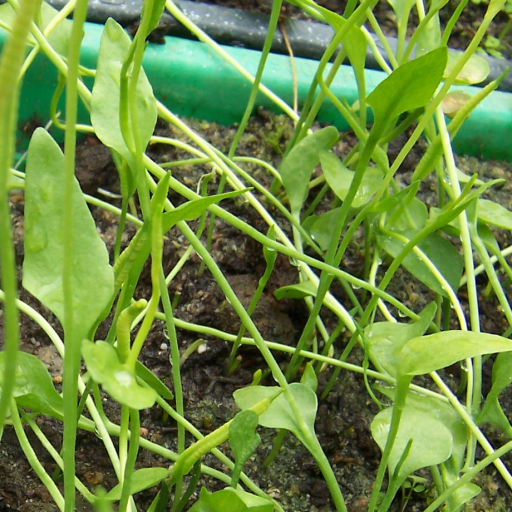
Plant Overview
Often called the Lesser Adder’s-tongue, this tiny, primitive fern is a master of hide-and-seek. While most ferns unfurl massive fronds in the damp shade, this Mediterranean native is a winter specialist, appearing when most other plants are dormant. It earned its name from the narrow, upright fertile spike that bears a striking resemblance to a tiny green snake’s tongue flicking out from the grass.
🔍 How to Identify
- 🍃 The Frond: Unlike typical "feathery" ferns, it has a single, simple, fleshy leaf that is oval or lance-shaped. It is remarkably small, often no taller than a matchstick.
- 👅 The Fertile Spike: A separate, slender stalk emerges from the base of the leaf, carrying two rows of spore-bearing sacs (sporangia) that look like a serrated tongue.
- 📏 Miniature Stature: It is incredibly easy to miss, usually reaching only 2 to 10 centimeters in height, often tucked away among mosses and short grasses.
🏡 In Your Garden
- 🌱 Winter Growth: This plant is "winter green," meaning it emerges in late autumn and disappears by spring. It avoids summer heat by retreating into a small, fleshy underground rhizome.
- 🏖️ Coastal Preferences: In the wild, it loves short-turf coastal heaths and sandy soils. If you are lucky enough to have it, avoid using fertilizers nearby, as it relies on a delicate partnership with soil fungi (mycorrhizae) to survive.
- 🤏 Delicate Competition: Because it is so small, it is easily smothered by faster-growing grasses or garden weeds. It thrives in "stressed" environments where other plants struggle to grow.
⚠️ Safety & Toxicity
- 🛡️ Status: Non-toxic and safe.
- 🐾 Details: There are no reports of toxicity to cats, dogs, or humans. However, due to its extreme rarity in many regions, it should never be harvested or disturbed. It is a plant to be admired with a magnifying glass, not picked.
✨ Fun Fact
The Ophioglossum genus is famous in the world of genetics for having some of the highest chromosome counts in the entire kingdom of life—some species have over 1,200 chromosomes, which is more than 25 times the amount found in humans!

Detailed Care Instructions
To grow Ophioglossum lusitanicum, also known as the adder's tongue fern, you can follow these steps:
- Obtain rhizomes: The plant does not produce seeds, so you need to obtain rhizomes from a reputable nursery or source.
- Choose the planting location: Ophioglossum lusitanicum prefers moist, well-draining soil and partial shade to full shade. It can also tolerate full sun if kept consistently moist.
- Prepare the soil: Ensure the soil is fertile and well-draining. If your soil is heavy or compacted, you can amend it with organic matter, such as compost or peat moss, to improve drainage.
- Plant the rhizomes: Dig a hole that is slightly larger than the rhizome. Place the rhizome horizontally in the hole, making sure the growing point is facing up. Cover it with soil, leaving the growing point exposed.
- Watering: Keep the soil consistently moist but not waterlogged. Water the plant regularly, especially during dry spells or in the heat of summer.
- Mulch: Apply a layer of organic mulch, such as shredded bark or straw, around the base of the plant to help retain moisture and suppress weed growth.
- Fertilizer: Ophioglossum lusitanicum generally does not require frequent fertilization. However, you can apply a balanced, slow-release fertilizer in spring to provide nutrients for healthy growth.
- Maintenance: Remove any weeds or unwanted plants that may compete with the adder's tongue fern for nutrients and resources. Remove any dead fronds or foliage as needed.
- Propagation: Ophioglossum lusitanicum naturally spreads via rhizomes. Over time, the plant will produce new rhizomes, which you can divide and replant to propagate more ferns.
- Protection: Protect the fern from extreme temperatures, especially during winter. Mulching the area around the plant can help insulate and protect it from cold weather.
By following these steps, you can successfully grow Ophioglossum lusitanicum and enjoy its unique and fascinating appearance in your garden.

Place in a window with dappled sun or a spot in the middle of a room. Or directly in a window facing west or east.

To water this plant, gently pour water onto the soil surrounding the base of the plant until the soil is evenly moist. Avoid getting water directly on the leaves or stem of the plant. Water this plant consistently, but allow the top layer of soil to dry out slightly before watering again. Overwatering can lead to root rot, so it's important to avoid letting the plant sit in standing water. It's recommended to water this plant less frequently during the winter months when growth has slowed.
For optimal growth of this plant, apply a balanced fertilizer with equal parts nitrogen, phosphorus, and potassium. Use a slow-release fertilizer at a rate of one tablespoon per square foot of soil once every other month during the growing season. When applying fertilizer, avoid direct contact with the plant, as it may cause damage. Water thoroughly after fertilizing, and avoid over-fertilizing, as this can lead to chemical burn or nutrient toxicity.
Ophioglossum Lusitanicum requires a well-drained soil that is rich in nutrients and organic matter. A mix of equal parts of peat moss, perlite, and vermiculite is recommended for best results. The soil pH should be slightly acidic to neutral, between 6.0 and 7.0. The plant prefers moist soil, so it should be watered regularly, but not allowed to sit in standing water. To ensure proper drainage, a layer of gravel or sand can be added to the bottom of the container before adding the potting mix. Avoid using heavy clay soils or soils that are too compacted, as this can lead to poor root growth and disease problems.
To propagate this plant, you can collect spores from mature fronds that have turned brown and are producing spores. Carefully remove the frond and place it in a paper bag, shaking it gently to release the spores. The spores should be collected on a moist paper towel.
Next, prepare a pot with a mixture of peat moss and sand, moisten the soil, and sprinkle the spores on the surface. Cover the pot with a clear plastic bag to maintain humidity and keep it in a warm and bright location, but not in direct sunlight.
As the spores germinate and grow into tiny plants, gradually remove the plastic covering to acclimate them to the surrounding air. As they grow, you can transfer them to a larger pot or directly into the ground. Be patient, as this process can take several months.








