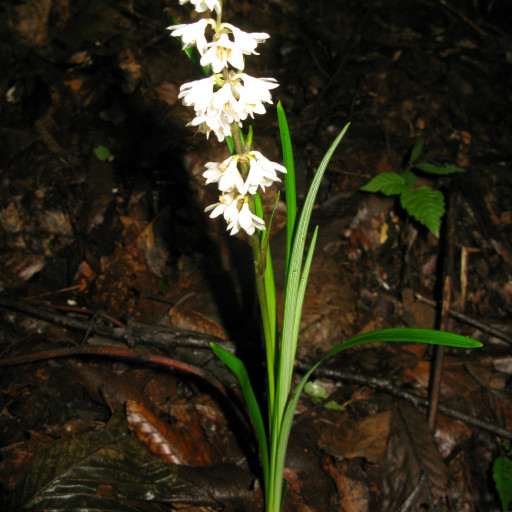
Plant Overview
Often called the "Goth plant" of the garden world, Black Mondo Grass is a striking evergreen perennial native to the slopes of Japan. While it looks like it belongs in a dark fantasy novel, this hardy groundcover is beloved for its ability to provide a dramatic, high-contrast backdrop to brighter flowers. It is the perfect choice for gardeners looking to add a touch of mystery and texture to their outdoor spaces.
🔍 How to Identify
- 🍃 Strap-like Foliage: It features dense tufts of arching, leathery leaves that grow about 8 to 12 inches long. While the wild species is green, the popular "Nigrescens" cultivar is famous for its near-black hue.
- 🌸 Summer Blooms: In mid-summer, tiny, bell-shaped flowers emerge on short stalks. They are usually a delicate pale lilac or white, creating a stunning contrast against the dark leaves.
- 🫐 Ornamental Berries: Following the flowers, the plant produces small, glossy, spherical berries that are dark purple to black, resembling tiny pearls tucked within the foliage.
🏡 In Your Garden
- 🪴 Slow and Steady: Unlike many groundcovers that can become invasive, Mondo Grass is a slow grower. It spreads via underground rhizomes, making it an excellent choice for tidy borders, rock gardens, or filling the gaps between stepping stones without it taking over.
- ⛅ The Color Secret: To maintain that deep, ink-black color, the plant prefers a balance of light. In regions with scorching summers, give it partial shade to prevent leaf scorch. In cooler climates, more sun helps intensify the dark pigmentation.
- 💧 Soil Preferences: It thrives in moist, well-drained, acidic soil. Because it has a shallow root system, it appreciates a layer of mulch to keep its "feet" cool and hydrated during dry spells.
⚠️ Safety & Toxicity
- 🐾 Pet Friendly: This plant is generally considered non-toxic to dogs, cats, and horses. It is a much safer alternative for "black-themed" gardens than many other dark-leafed plants.
- 🚫 Berries Caution: While not classified as poisonous, the small berries are not meant for human consumption and could pose a minor choking hazard for very small children or curious pets.
✨ Fun Fact
Despite its common name and grass-like appearance, Ophiopogon is not a true grass! It actually belongs to the Asparagus family (Asparagaceae), making it a distant relative of both the edible asparagus and the common Lily of the Valley.

Detailed Care Instructions
| Humidity | Normal |
| Lighting | Full Sun |
| Difficulty | Medium |
| Hardiness Zones | 5 - 10 |
To grow Ophiopogon planiscapus, also known as black mondo grass or black lilyturf, follow these steps:
- Choose a suitable location: The plant thrives in partial to full shade, making it an excellent choice for under trees or in shaded areas of the garden. It prefers moist, well-draining soil.
- Prepare the soil: Ophiopogon planiscapus prefers slightly acidic soil with a pH range of 5.5 to 6.5. Ensure the soil is well-draining by adding organic matter such as compost or well-rotted manure.
- Planting: Dig a hole that is slightly wider and deeper than the plant's root ball. Place the plant in the hole, ensuring that it is at the same depth as in its previous container or nursery bed. Backfill the hole with soil and gently firm it down around the plant.
- Watering: Keep the soil consistently moist, especially during the plant's establishment period. Once established, it can tolerate drier conditions, but regular watering is still recommended during hot and dry weather.
- Mulching: Apply a layer of organic mulch around the base of the plant to help conserve moisture and suppress weeds. This is particularly important during the summer months.
- Fertilization: Ophiopogon planiscapus doesn't require heavy fertilization. However, you can apply a balanced slow-release fertilizer in spring to encourage healthy growth. Follow the manufacturer's instructions for proper application.
- Maintenance: Regularly remove any dead or yellowing leaves. Every few years, lift and divide the plant to propagate it or to control its size.
- Protecting in winter: In colder climates, apply a layer of mulch or leaves over the plant's crown in late fall to protect it from freezing temperatures.
By following these steps, you should be able to successfully grow Ophiopogon planiscapus and enjoy its unique and attractive foliage.

Place in a window with dappled sun or a spot in the middle of a room. Or directly in a window facing west or east.

To properly water this plant, you should first make sure that it is planted in a well-draining soil mix. Then, you should water it thoroughly until the water begins to run out the bottom of the pot. Allow the soil to dry out slightly before watering again, as over-watering can lead to root rot. It is important to note that this plant prefers consistently moist soil, but not waterlogged soil. Additionally, it is best to water at the base of the plant to avoid getting water on the foliage, which can lead to disease issues.
To fertilize this plant, use a balanced fertilizer with equal parts nitrogen, phosphorus, and potassium. Apply the fertilizer at half strength every 2-3 weeks during the growing season. Avoid over-fertilizing or applying fertilizer too close to the stem, as this can damage the plant. Water the plant thoroughly before and after fertilizing.
When it comes to planting Ophiopogon Planiscapus, it is important to choose the right type of soil to ensure proper growth and health of the plant. The soil should be well-draining and loose in texture, with a balanced pH level between 5.5 to 6.5. It is also recommended to use a nutrient-rich soil mix that contains organic matter, such as compost or peat moss, to provide adequate nutrients for the plant. Additionally, it is important to avoid using heavy clay soils or those that are constantly waterlogged, as these can lead to root rot and other issues. Overall, selecting the right type of soil is crucial for the success of Ophiopogon Planiscapus, as it helps to ensure proper water uptake, nutrient absorption, and overall health and vitality of the plant.
To propagate this plant, take a healthy, mature stem cutting from the mother plant. Make sure the stem is at least 4-6 inches long and has several leaves. Then, remove the lower leaves and trim any excess foliage on the cutting. Dip the end of the stem in rooting hormone powder to help it root faster.
Next, plant the stem cutting in a small pot filled with well-draining soil. Make a small hole in the soil, and insert the cutting about 2 inches deep. Water the cutting, and cover the pot with a plastic bag to create a humid environment. Place the pot in bright, indirect light.
Check the cutting regularly to make sure the soil stays moist, but not waterlogged. After a few weeks, the cutting should have rooted and started to develop new growth. Once the new plant has grown several new leaves and roots, it can be transferred to a larger pot or planted outside in a suitable location.








