Plant Overview
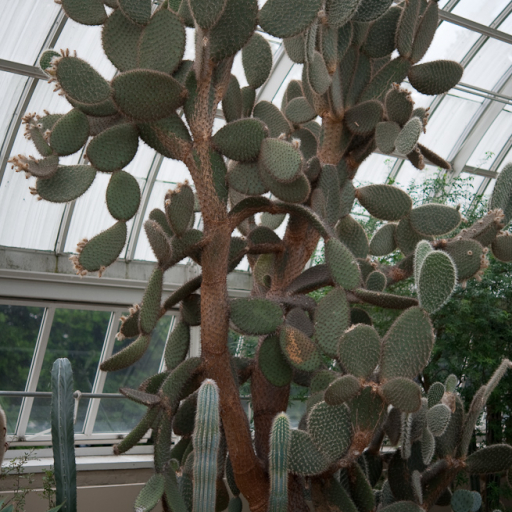
Known affectionately as the "Woolly Prickly Pear" or Cocoche, Opuntia pilifera is a striking, tree-like cactus that hails from the arid landscapes of central Mexico. It is famous for the soft, white hair-like fibers that drape over its young pads, giving it a distinct "bearded" or aged appearance. While it starts as a small, fuzzy succulent, it eventually matures into a grand, woody specimen that adds a touch of the Mexican high desert to any collection.
🔍 How to Identify
- 🌵 Woolly Pads: The flat, oval-shaped pads (cladodes) are covered in long, white, hair-like bristles that are most prominent on new growth, helping the plant reflect intense sunlight.
- 🌸 Deep Rose Blooms: In late spring, it produces stunning cup-shaped flowers that range from a deep magenta to a rich, reddish-purple color.
- 🌳 Arborescent Habit: Unlike low-growing prickly pears, this species develops a distinct, thick woody trunk as it ages, often reaching heights of 10 to 15 feet in the wild.
🏡 In Your Garden
- ☀️ Sun-Drenched Living: This cactus is a true sun-worshiper. Its white "hairs" are a natural sunscreen, so it thrives in the brightest spot of your garden or a south-facing window.
- 🏜️ Drainage over Water: The Opuntia pilifera is highly susceptible to root rot. It is essential to use a gritty, mineral-heavy cactus mix and a pot with large drainage holes; it prefers to remain bone-dry for long periods between deep waterings.
⚠️ Safety & Toxicity
- 🌵 Physical Irritant: While the long white hairs look soft, they often hide glochids—tiny, barbed bristles that can easily lodge in the skin, causing redness and itching.
- 🐾 Pet & Child Safety: This plant is not chemically toxic if nibbled, but its mechanical defenses (spines and glochids) make it a hazard for curious noses and hands. Keep it out of reach or in a low-traffic area.
✨ Fun Fact
In its native regions of Oaxaca and Puebla, the small, round fruits of this cactus are known as "Cocoche." Despite being covered in tiny bristles, the fruit is harvested and eaten by locals, prized for its sweet, refreshing pulp!

Detailed Care Instructions
To grow Opuntia pilifera, also known as the Bunny Ears cactus, you can follow these steps:
- Choosing a suitable location: Opuntia pilifera thrives in full sun, so select a spot with direct sunlight for at least 6 hours a day. It is important to note that this species is cold hardy only to about 20°F (-6°C) and might need protection from frost or freezing temperatures.
- Preparing the soil: Opuntia pilifera prefers well-draining soil. If your garden soil does not provide good drainage, you can amend it with additional sand, perlite, or pumice to improve drainage.
- Propagation: Opuntia pilifera can be propagated from stem cuttings. Take a healthy segment from an established plant with clean, sharp shears or a knife. Leave the cutting in a dry, shady area for a few days until the cut end develops a callus. This callus formation will help prevent rotting.
- Planting: Once the cutting has formed a callus, prepare a pot with well-draining soil or choose a suitable location in your garden. Make a small hole with your finger or a stick and place the cutting into it, burying it about halfway. Firmly press the soil around the base of the cutting to ensure good contact.
- Watering: Opuntia pilifera is a drought-tolerant plant and should only be watered sparingly. Allow the soil to dry out between waterings and avoid excessive moisture, as this can cause rot or fungal diseases. In winter, reduce watering to further simulate the plant's dormant period.
- Maintenance: Opuntia pilifera requires minimal maintenance. Pruning is rarely necessary unless to remove dead or diseased parts. This cactus rarely flowers in captivity, but if it does, the flowers are typically pale yellow.
- Protection from pests: Opuntia pilifera is generally not bothered by many pests, but occasionally they can attract mealybugs or spider mites. Inspect your plant regularly, and if you notice any signs of infestation, you can use an insecticidal soap or horticultural oil to control them.
By following these steps, you can successfully grow Opuntia pilifera and enjoy its distinct bunny ear-like pads in your garden or as a houseplant.

Place in a bright room that is sun drenched almost all day. Or directly in a south-facing window.

To water this particular plant, it is important to take note of its growing environment and season. In the summer and spring months, the plant should be watered once a week, but during the winter and fall, it should be watered less frequency, about once every two to three weeks. In addition, it is important to avoid overwatering the plant as too much moisture can cause root rot. The best way to water the plant is to pour water directly onto the soil and allow it to soak in. It is also advised to use a well-draining potting mix to avoid waterlogging the roots.
To fertilize this type of plant, apply a slow-release fertilizer once a year in the early spring. Use a balanced fertilizer with an NPK ratio of 10-10-10 or 20-20-20. Scatter the fertilizer on the soil surface around the base of the plant, being careful not to touch the plant with the fertilizer. Water the plant thoroughly after applying the fertilizer. Avoid over-fertilizing as this can damage the plant.
Opuntia Pilifera plant prefers a well-draining soil mix that is nutrient-rich and has good porosity. The soil should be composed of a mix of organic and inorganic materials. Ideally, it should be composed of a blend of coarse sand, perlite, and gravel to provide excellent drainage and aeration.
The soil pH should range from slightly acidic to slightly alkaline with a pH between 6.0-7.0 being optimal. It is also important to ensure that the soil is free of any contaminants or chemicals that could harm the plants.
The soil should be rich in nutrients such as phosphorus, potassium, and nitrogen to support the plant's healthy growth. A slow-release fertilizer can be added to the soil mix to provide additional nutrients to the plant.
Overall, a well-draining soil mix that is nutrient-rich and has good porosity is the ideal soil to use with the Opuntia Pilifera plant.
To propagate this plant, you will need to use a sharp, clean pair of pruning shears or a knife. Cut a segment of stem from the parent plant that is at least 4 inches long. Allow the cutting to dry out for several days before planting to let the wound heal and prevent rot. Once the cutting is dry, plant it in well-draining soil in a container or directly in the ground. Water sparingly, only when the soil is dry to the touch. In a few weeks, new roots and leaves should begin to grow from the cutting, signaling successful propagation.








