Plant Overview
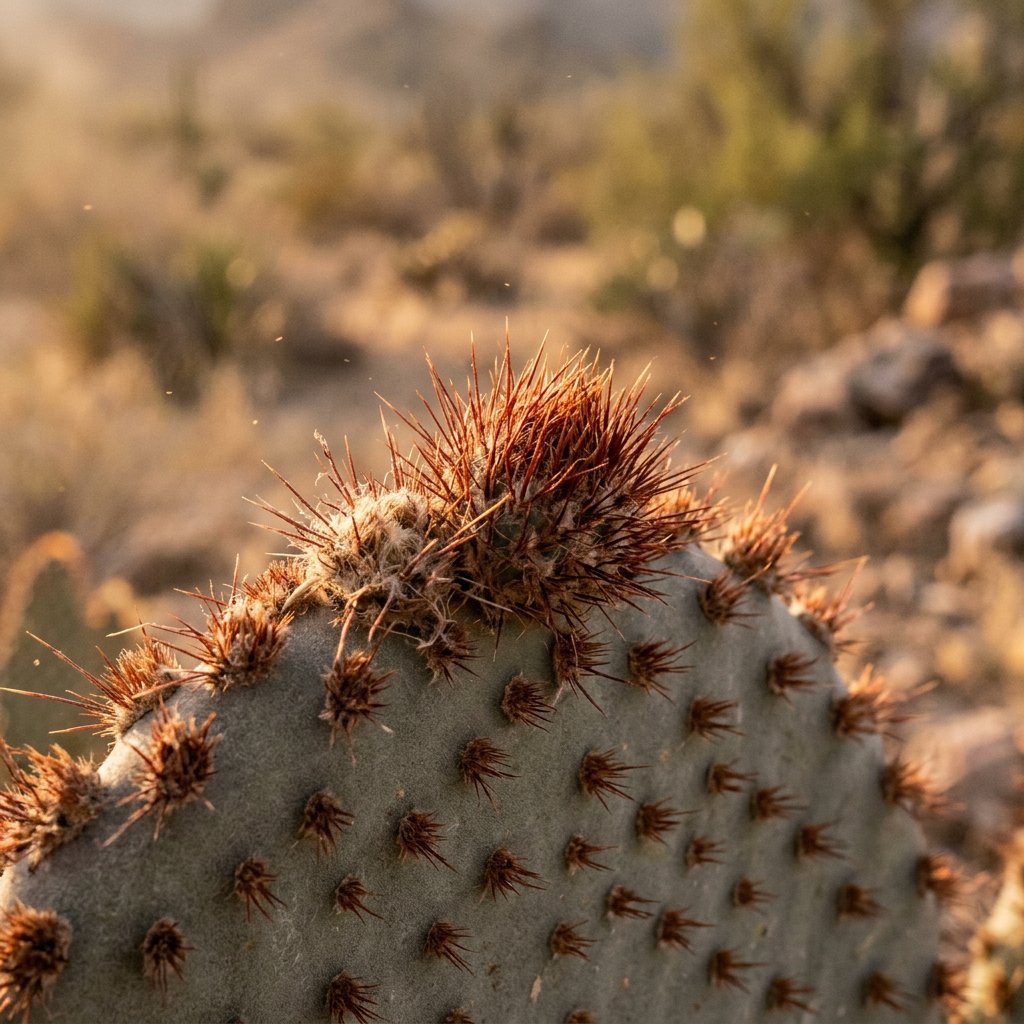
Commonly known as the Blind Prickly Pear or Cinnamon Cactus, this Texan and Mexican native is a master of deception. While it lacks the long, intimidating spines of its relatives, it is covered in thousands of tiny, velvet-like bristles that give it a soft, approachable appearance. It grows in a branching, shrub-like fashion, making it a striking architectural piece for any desert-themed landscape or sunny windowsill.
🔍 How to Identify
- 🌵 The Pads: Thick, fleshy, circular-to-oval pads that are a dusty grayish-green. They grow in a segmented fashion, stacking on top of one another.
- 🍂 Cinnamon Glochids: The "dots" on the pads are actually tufts of reddish-brown, hair-like bristles called glochids. There are no large, central spines, giving the plant its "blind" or "smooth" nickname.
- 🌼 Color-Shifting Blooms: In late spring and early summer, it produces bright yellow flowers that often fade into a rich, burnt orange before closing.
🏡 In Your Garden
- 🏜️ The "Dry Feet" Rule: Like most desert cacti, Opuntia rufida is highly susceptible to root rot. It thrives in poor, sandy soil and only needs water when the pads begin to look slightly wrinkled.
- ☀️ Light & Air: It craves intense, direct sunlight. If grown indoors without enough light, the new pads will grow thin and stretched (etiolated), losing their iconic round shape.
- ✂️ Easy Propagation: A single fallen pad can easily sprout roots if left on top of dry soil, allowing it to "walk" across a garden over several years.
⚠️ Safety & Toxicity
- 🚫 Status: Mechanical Irritant (Highly annoying).
- 👀 The "Blind" Danger: The name "Blind Prickly Pear" refers to the fact that these tiny glochids can be carried by the wind or rubbed into the eyes of livestock, causing severe irritation or even blindness.
- 🐾 Pets & Kids: It is non-toxic if nibbled, but the bristles are a nightmare to remove from paws, skin, or tongues. It is best kept in a location where it won't be accidentally brushed against.
✨ Fun Fact
The Opuntia rufida has a clever survival strategy: those tiny reddish "hairs" (glochids) are barbed like fishhooks. If they touch your skin, they lodge themselves inward, making them much harder to pull out than a standard large cactus spine!

Detailed Care Instructions
| Humidity | Dry |
| Lighting | Full Sun |
| Difficulty | Easy |
| Hardiness Zones | 10A - 11 |
To grow an Opuntia Rufida plant, also known as the Santa Rita prickly pear cactus, you can follow these steps:
- Start with a healthy plant: Obtain a healthy Opuntia Rufida plant from a nursery or propagate from a mature plant.
- Choose the right location: Opuntia Rufida thrives in full sun, so select a spot in your garden that receives at least six hours of direct sunlight a day. Ensure the chosen area has well-draining soil.
- Prepare the soil: Opuntia Rufida prefers sandy or rocky soil with good drainage. If your soil is heavy, amend it with sand or gravel to improve drainage.
- Plant the cactus: Dig a hole slightly larger than the root ball of the Opuntia Rufida plant. Place the plant in the hole, ensuring it is level with or slightly above the ground, as it can rot if planted too deep. Backfill the hole with the soil, gently pressing it down around the roots to remove air pockets.
- Watering: Initially, water the cactus thoroughly and then allow the soil to dry out completely between waterings. Opuntia Rufida is drought-tolerant and can survive on minimal water once established.
- Mulching: Apply a layer of organic mulch around the base of the plant to help retain moisture and suppress weeds. Be careful to keep the mulch away from the stem of the cactus to prevent rotting.
- Pruning: Opuntia Rufida generally requires minimal pruning. However, you can remove any dead or damaged pads with clean, sharp pruning shears to maintain a tidy appearance.
- Fertilization: Opuntia Rufida is not a heavy feeder and can survive in poor soil. However, you can apply a balanced cactus or succulent fertilizer during the growing season to promote healthy growth.
- Protection: Opuntia Rufida has spines, so it's advisable to wear thick gloves and protective clothing when handling the plant to avoid injury.
- Winter care: Provide protection for the cactus during cold winter months if you live in a region with freezing temperatures. Cover the plant with burlap or bring it indoors to a cool, dry location.
Following these steps should help you successfully grow an Opuntia Rufida plant in your garden. It is a resilient and low-maintenance plant that can add beauty to your outdoor space.

Place in a bright room that is sun drenched almost all day. Or directly in a south-facing window.

Opuntia Rufida plant is a succulent plant that belongs to the cactus family. This plant requires moderate watering and should be watered once a week during the growing season. During the winter months, it should be watered sparingly to avoid overwatering. When watering, it is important to soak the soil thoroughly and allow it to drain completely before watering again. This plant prefers well-draining soil, and it is recommended to use a cactus/succulent mix. Overwatering can lead to root rot and cause damage to the plant. Additionally, this plant prefers bright, indirect sunlight and should be placed in an area where it can receive plenty of light without direct exposure to the sun.
To fertilize your plant, use a balanced fertilizer with an NPK ratio of 10-10-10 or 14-14-14. Apply the fertilizer in early spring or late fall, and follow the manufacturer's instructions for how much to use based on the size of your plant. Water the plant thoroughly after fertilizing to ensure the nutrients are absorbed by the roots. Avoid fertilizing during the dormant period or in the heat of summer.
Opuntia Rufida plant belongs to the Cactaceae family and requires a well-draining soil that is rich in nutrients. The soil should have a pH level between 6.0 to 7.0. It is best to use a coarse, gritty soil mix, preferably a cactus mix that contains a blend of sand, perlite, and peat moss.
The soil should be free of any organic matter that can hold water as Opuntia Rufida plant does not like to sit in wet soil. It is important to ensure that there is proper drainage by using a pot with drainage holes in the bottom.
Opuntia Rufida also requires good sunlight exposure and should be placed in a spot where it can get direct sunlight for at least six hours a day. It is important to water the plant sparingly and only when the soil is dry. Overwatering can lead to root rot, which is harmful to the plant.
Overall, using a well-draining soil mix, providing good sunlight exposure, and watering sparingly will help the Opuntia Rufida plant thrive.
To propagate this particular plant, you will need a sharp, sterile knife or scissors and a small pot filled with well-draining soil. Choose a healthy piece of the plant that is around 3-4 inches long and has at least one node (a small bump where a new branch or leaf will grow). Cut the stem cleanly just below the node, making sure not to damage the parent plant. Allow the cutting to callus over by leaving it in a dry, warm place for a few days. Once calloused, plant the cutting in the soil, making sure the node is covered. Water lightly and place in bright, indirect light. Keep the soil moist but not soaking wet until new growth appears, indicating the cutting has rooted. Over time, the new plant will begin to develop and can be gradually acclimated to more sunlight and less frequent watering.
Common pests of the blind prickly-pear cactus include Scale insect, mealybugs, spider mites. Make a habit of checking your blind prickly-pear cactus frequently for pests so that any infestations can be caught and managed early.








