Plant Overview
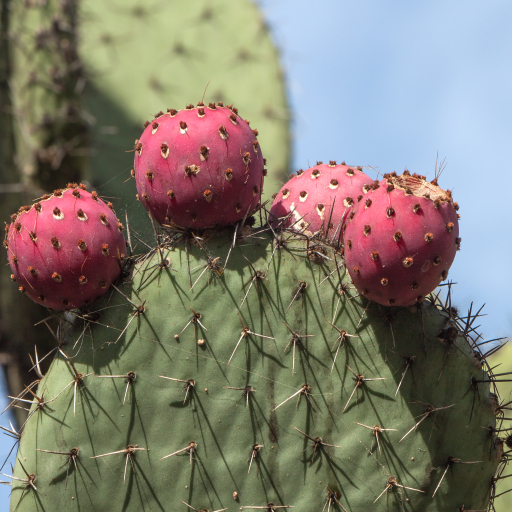
Commonly known as the Cardona Prickly Pear or Tuna Cardona, this majestic cactus is a cornerstone of the arid landscapes of Central Mexico. Growing into a formidable tree-like structure, it can reach heights that dwarf its smaller succulent cousins, often forming dense, silver-green forests. Beyond its rugged beauty, it is deeply woven into Mexican heritage, prized for its sweet, deep red fruits that have been a dietary staple for centuries.
🔍 How to Identify
- 🌵 The Pads: Features large, thick, oval-shaped segments (cladodes) that grow in a branching, tree-like habit. These pads are typically a dull, grayish-green color.
- 🪡 The Spines: It is heavily armed with clusters of stiff, white or yellowish spines that project in all directions. These spines are particularly long and rigid compared to other prickly pears.
- 🌸 The Blooms: Produces stunning, multi-petaled flowers that transition from a bright, buttery yellow to a deep, burnt orange as they age.
🏡 In Your Garden
- 🏜️ The Drainage Rule: While nearly indestructible in the sun, the Cardona will quickly succumb to root rot if left in standing water. It requires gritty, mineral-heavy soil—think more rocks and sand than peat or potting mix.
- 🌞 Light Requirements: To maintain its structural integrity and produce fruit, this plant needs "brutal" sun. If grown in too much shade, the new pads will grow thin, weak, and elongated as they "stretch" toward the light.
⚠️ Safety & Toxicity
- 🌵 Mechanical Hazard: This plant is not chemically poisonous, but it is physically aggressive. The large spines can cause deep puncture wounds if handled without care.
- 🧤 The Glochid Threat: Beyond the visible spines, the pads are covered in "glochids"—tiny, barbed hair-like needles. These can lodge into the skin or eyes with the slightest touch, causing intense irritation and itching. Keep this cactus well away from paths where children or pets might brush against it.
✨ Fun Fact
The Opuntia streptacantha is a national icon; it is widely considered to be the specific species of cactus depicted on the Mexican National Flag, where an eagle is seen perched upon its pads while devouring a serpent.

Detailed Care Instructions
To grow Opuntia Streptacantha plants, also known as Christmas cactus or Prickly Pear cactus, follow these steps:
- Choose a suitable location: Opuntia Streptacantha plants thrive in full sunlight, so find a sunny spot in your garden or indoor space where they will receive at least six hours of direct sunlight per day.
- Prepare the soil: Opuntia Streptacantha prefers well-draining soil. If planting indoors, use a cactus potting mix or create a mixture of regular potting soil and sand to improve drainage. If planting outdoors, ensure the soil is sandy and well-drained.
- Plant the cutting or seeds: You can grow Opuntia Streptacantha from cuttings or seeds. To propagate from cuttings, cut a healthy segment of the stem about 4-6 inches long. Allow the cut end to dry for a few days before planting it in the prepared soil. Alternatively, you can buy Opuntia Streptacantha seeds and sow them directly into the soil as per the packet instructions.
- Watering: Opuntia Streptacantha is a succulent plant and can survive with minimal water. Water the newly planted cutting or seeds sparingly, allowing the soil to dry out between waterings. Overwatering can cause root rot, so it's better to underwater than overwater.
- Temperature and humidity: Opuntia Streptacantha plants can tolerate a wide range of temperatures but prefer mild to warm conditions between 70-90°F (21-32°C). They are tolerant of low humidity, making them suitable for dry indoor environments.
- Fertilizing: Opuntia Streptacantha plants do not require much fertilization. If desired, use a balanced cactus fertilizer once a month during the growing season (spring and summer) following the manufacturer's instructions.
- Pruning and maintenance: Opuntia Streptacantha plants typically do not require pruning unless you want to shape them. You may remove any dead or damaged stems as needed.
- Pests and diseases: Opuntia Streptacantha is generally resistant to pests and diseases, but be on the lookout for common succulent pests like mealybugs or scale insects. If you notice any infestation, treat with rubbing alcohol or insecticidal soap.
Remember to research and follow any specific care instructions for Opuntia Streptacantha if you are growing a specific cultivar.

Place in a bright room that is sun drenched almost all day. Or directly in a south-facing window.

Opuntia Streptacantha is a desert plant that requires minimal watering. To water the plant, one should wait until the soil is completely dry before watering it. It is important not to overwater the plant as it is prone to root rot. When watering, one should sprinkle water onto the soil around the base of the plant, rather than pouring water onto the plant itself. This will help prevent the leaves from becoming waterlogged and reduce the risk of disease. It is also important to avoid watering the plant during periods of high humidity, as this can exacerbate the risk of disease. Overall, the key to watering Opuntia Streptacantha is to be conservative and attentive, taking care to provide just enough water to keep the plant healthy and thriving.
To fertilize the plant, mix a balanced fertilizer with equal parts nitrogen, phosphorus, and potassium. Measure the recommended amount of fertilizer according to the instructions on the package. Apply the fertilizer around the root zone of the plant, just before watering. Be sure to water the plant immediately after applying the fertilizer to ensure proper absorption. Fertilize the plant once a month during the growing season, from spring through summer. Reduce fertilization during the fall and winter months as the plant enters a period of dormancy.
The best type of soil to use with this plant is a well-draining soil mixture that is composed of equal parts of sand, perlite, and organic matter. It should also have a slightly acidic to neutral pH level to promote healthy growth and development. This type of soil ensures that excess water drains away from the plant roots preventing root rot, and provides optimal aeration. Additionally, the soil should be coarse to allow the plant roots to penetrate easily. This type of soil enables the plant to retain moisture while providing sufficient drainage.
Opuntia Streptacantha is a succulent plant that can be propagated through stem cuttings. To propagate this plant, you need to take healthy stem cuttings from the parent plant. Use a sharp and clean pair of scissors or a knife to take the stem cutting from a healthy and mature stem.
Make sure your stem cutting has at least two joints. After the stem cutting has been taken, place it in a clean, dry area to dry the cut end for a few days.
Once the cut end is dry, the stem cutting is ready to be planted. Fill a pot or a planting tray with well-draining soil, such as cactus or succulent soil. Then, make a small hole in the soil and plant the stem cutting.
Water the stem cutting sparingly until roots form, and then gradually increase the amount of water you provide. Keep the plant in a well-lit area, but not in direct sunlight.
Within a few weeks, roots will start growing from the cut end of the stem. Once the roots have established and the plant starts to grow, you can transplant it into a permanent pot or into the garden.








