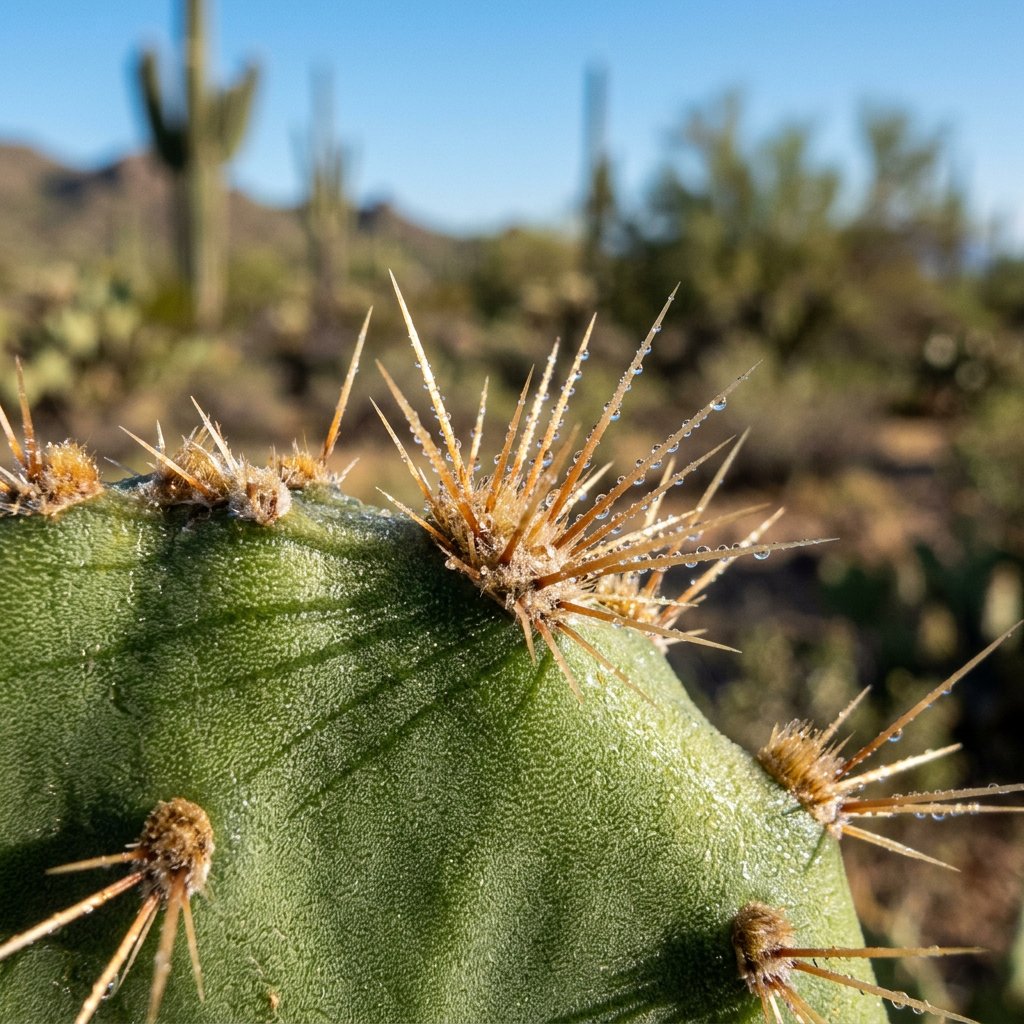
Plant Overview
Commonly known as the Prickly Pear or Nopal, the Opuntia is one of the most iconic symbols of the American West. These resilient cacti are famous for their flat, paddle-like stems and their ability to thrive in some of the harshest environments on Earth. Beyond their rugged beauty, they have a rich cultural history as a staple food source and even a legendary role in the founding of Mexico City.
🔍 How to Identify
- 🌵 Fleshy Paddles: Instead of traditional leaves, Opuntia grows flat, oval segments called "cladodes" that store water and give the plant its unique "Mickey Mouse ear" silhouette.
- 🌸 Satiny Blooms: In late spring and summer, large, cup-shaped flowers sprout from the edges of the pads, appearing in brilliant shades of lemon yellow, fiery orange, or neon pink.
- 🍓 The "Tuna" Fruit: After the flowers fade, the plant produces bulbous, edible fruits that turn a deep ruby red or purple when ripe, often covered in tiny protective bumps.
🏡 In Your Garden
- ☀️ Maximum Light: Opuntia are sun-worshippers. If grown indoors, they need the brightest window available; otherwise, the new pads will grow thin and weak as they "reach" for the light.
- 🏜️ The Dry Cycle: These plants hate "wet feet." They require gritty, fast-draining soil and prefer their soil to dry out completely between waterings. They are the ultimate "set it and forget it" plant for forgetful gardeners.
- ❄️ Surprising Hardiness: While most cacti are tropical, some Opuntia species (like the Eastern Prickly Pear) are incredibly cold-tolerant and can survive freezing winters by shriveling up and "hibernating" under the snow.
⚠️ Safety & Toxicity
- 📌 Glochid Warning: While the large, long spines look scary, the real danger lies in the "glochids." These are tiny, hair-like barbed bristles found in clusters that detach easily and can cause intense skin irritation or eye damage.
- 🐾 Pet Safety: Opuntia is generally non-toxic to cats and dogs if ingested. However, the mechanical injury from the spines and glochids to a pet's mouth, paws, or throat is a serious concern. Always plant them out of reach of curious paws.
✨ Fun Fact
- 🪲 Natural Crimson: For centuries, Opuntia was the primary "ranch" for the Cochineal insect. These tiny bugs live on the cactus pads and, when crushed, produce a brilliant carmine red dye that was once more valuable than gold and is still used today in many natural lipsticks and food colorings!

Detailed Care Instructions
Prickly pear is a favorite low-maintenance plant in hot, dry climates as well as for indoor growers. It has excellent drought tolerance and is often used in xeriscape beds, in rock gardens, and in containers. When growing it outdoors, remember that it will need a very porous, gravelly soil; it is best grouped with other plants with similar needs.
How do I harvest and eat prickly pear?
Both the pads and the fruit of prickly pears are edible, though some species are preferred. O. ficus-indica is most popular for eating, Care must be taken, however, to avoid both the spines and the small hairs (glochids) on the pads and fruit, so harvesting prickly pear is a time-consuming process.Harvesting the pads involves cutting them off the plant at any time, then carefully removing the spines and hairs. They can be eaten raw, or used in a variety of cooked dishes.The pear-shaped fruits that form along the edges of the pads ripen in later summer and fall; they are ripe when the tiny hairs (glochids) begin to fall off. Once cleaned, they can be squeezed for juice or peeled to eat—the taste is citrusy.
How long does a prickly pear cactus live?
Lifespan varies depending on species, but there are many instances of potted prickly pear plants living up to 30 years. Large outdoor specimens that form woody trunks may live for much longer than that.
| Color | Pink, Yellow |
| Soil Ph | 6-7.5 |
| Humidity | Dry |
| Lighting | Full Sun |
| Toxicity | Poisonous |
| Soil Type | Dry, Sandy Or Gravelly, Well-Draining |
| Bloom Time | June To July |
| Difficulty | Easy |
| Plant Type | Herbaceous Perennial |
| Mature Size | 6 Inches To 36 Inches Tall With A Similar Spread, Depending On Variety |
| Native Area | Americas |
| Temperature | 15°C - 30°C |
| Sun Exposure | Full Sun |
| Hardiness Zones | 4-11 |
To grow an Opuntia plant, you can follow these steps:
- Choose a suitable location: Opuntia plants thrive in bright sunlight, so find a spot that receives at least 6-8 hours of direct sunlight each day. Ensure the area has well-draining soil, as Opuntia plants do not like to sit in wet conditions.
- Prepare the soil: Opuntia plants prefer sandy, loamy soil with good drainage. You may need to amend the soil with sand or gravel to improve drainage if your soil is heavy or clay-like.
- Watering: Opuntia plants are drought-tolerant and do not require frequent watering. Water the plant deeply but infrequently, allowing the soil to dry out between waterings. Overwatering can lead to root rot and other issues.
- Propagation: Opuntia plants can be propagated from cuttings. Select a healthy segment from an existing Opuntia plant, let it dry for a few days to form a callus, then plant it in well-draining soil. Water sparingly until you see new growth.
- Fertilization: Opuntia plants do not require much fertilizer. You can apply a balanced, slow-release fertilizer once or twice a year in spring and summer to provide some nutrients.
- Pruning: Opuntia plants naturally grow in a spreading, branching form. If you want to control the size or shape of the plant, you can prune it in early spring. Always wear gloves to avoid contact with the plant's spines.
- Protecting from frost: Opuntia plants are generally frost-tolerant, but prolonged freezing temperatures can damage them. If you live in an area with severe winter conditions, consider covering the plants or bringing them indoors to protect them.
Remember that Opuntia plants have spines, so be careful while handling them. Use thick gloves or wrap the plant in newspaper or cloth to avoid getting pricked.

Place in a bright room that is sun drenched almost all day. Or directly in a south-facing window.

1. First, assess the environment where the plant is located. Opuntia plants thrive in dry and arid conditions, so watering requirements may be minimal.
2. Before watering, use a moisture meter or test the soil with your fingers to see if it's dry. If the soil feels damp, do not water the plant.
3. Water the plant deeply, ensuring that the soil has been saturated. Allow excess water to drain out of the pot or container. Avoid watering the foliage, as this can lead to fungal or bacterial growth.
4. Water the plant sparingly, as overwatering can cause root rot and other issues. During the growing season, you can increase watering to once every two weeks or so.
5. During the winter months or when the plant is in a dormant state, watering can be reduced or stopped altogether.
6. Always use room temperature water when watering your Opuntia. Cold water can shock the plant and cause damage.
7. Consider using a well-draining soil mix that contains sand or perlite to ensure adequate drainage and prevent waterlogging.
8. Lastly, try to avoid getting water on the spines of the plant, as they can be sharp and cause injury.
To promote healthy growth and fruiting, apply a balanced fertilizer with a ratio of 10-10-10 or 14-14-14 in early spring. Water the plant thoroughly before applying the fertilizer and then apply it evenly around the base of the plant. Avoid getting the fertilizer on the leaves or stems. Repeat the application every 6-8 weeks during the growing season. In late fall, stop fertilizing to allow the plant to go into dormancy.
Opuntia plants prefer a well-draining soil mixture that is sandy, loamy, and slightly acidic. It should be composed of a blend of organic matter such as peat moss, compost, and aged manure along with coarse sand or perlite to improve drainage. The mixture should be well-aerated to allow good airflow to the plant's roots. A gritty mixture with a pH level between 5.5 and 7.5 is ideal for healthy growth. Avoid using heavy or clay-rich soil that retains moisture for too long as it can lead to root rot in the plant.
Opuntia is a succulent plant that can be propagated in different ways. One way is through stem cuttings. Select a healthy stem from the parent plant and cut it with a sterilized sharp knife. Allow the cutting to dry for a few days, then plant it in a well-draining soil mix. Water the cutting sparingly and place it in a sunny spot.
Another way to propagate Opuntia is through division. Carefully remove the parent plant from its pot and gently separate the offsets from the main root system. Pot the offsets in a well-draining soil mix, water sparingly, and place in a sunny location.
Opuntia can also be propagated through seeds. Collect ripe seeds from the parent plant and plant them in a well-draining soil mix. Keep the soil moist and place the pot in a sunny location. The seeds should germinate in a few weeks.
Regardless of the propagation method used, allow the new plant to establish itself before repotting or moving it to a different location. Opuntia is a hardy plant that requires minimal care once established and can be a beautiful addition to any garden or indoor collection.
Common pests of the prickly pears include Scale insect, mealybugs, spider mites. Make a habit of checking your prickly pears frequently for pests so that any infestations can be caught and managed early.







