Plant Overview
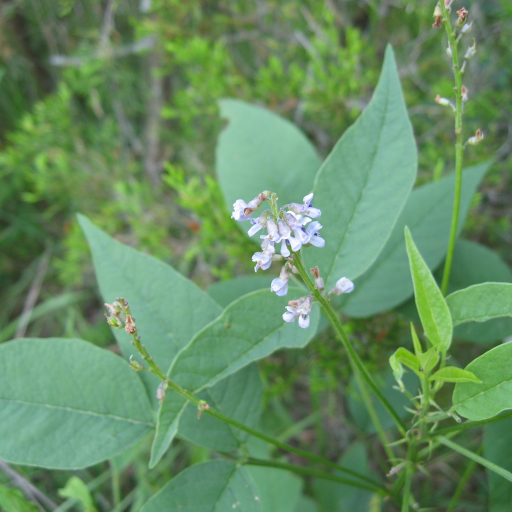
The Lanceleaf Scurfpea, also colloquially known as French-grass, is a sophisticated native of the American prairie and open woodlands. Known for its airy, elongated spikes of violet flowers, it brings a wild, meadow-like charm to any landscape it inhabits. While it looks delicate, it is a sturdy survivor that has played a quiet but vital role in the North American ecosystem for centuries.
🔍 How to Identify
- 🍃 Leaf Structure: It features "trifoliate" leaves—meaning they come in clusters of three, much like a large, elegant clover. If you look closely, the leaves are often dotted with tiny, translucent glands.
- 🪻 Flower Spikes: In mid-to-late summer, it produces long, slender stalks (racemes) crowded with tiny, pea-shaped blossoms in shades of lavender and deep purple.
- 🪵 Growth Habit: This is an upright perennial that typically reaches 2 to 3 feet in height, creating a bushy, textured appearance as the stems branch out.
🏡 In Your Garden
- 🏜️ Taproot Resilience: The Lanceleaf Scurfpea develops a deep, sturdy taproot. This makes it incredibly drought-tolerant once established, but it also means the plant "hates" being moved. It is best to plant it from seed or a small seedling in its forever home.
- 🦋 The Pollinator Connection: It is a specialist’s favorite! It attracts a wide variety of native long-tongued bees and butterflies that are specifically adapted to navigate its unique floral structure.
- 🌞 Sun & Soil: It thrives in well-drained soil and full sun to partial shade, making it an excellent choice for a low-maintenance native garden or a prairie restoration project.
⚠️ Safety & Toxicity
- 🌿 Low Risk: This plant is generally considered non-toxic to humans and common household pets like cats and dogs.
- 🐄 Livestock Nuance: While it was historically used as forage (hence the "grass" nickname), like many wild legumes, it can contain compounds that might be mildly irritating to livestock if consumed in massive, exclusive quantities, though this is rare.
✨ Fun Fact
Despite the name "French-grass," this plant is neither French nor a grass! Early American pioneers likely gave it this name because it was frequently found in territories explored by the French, and its lush, leafy growth was highly valued as "grass" (forage) for their horses and cattle.

Detailed Care Instructions








