Plant Overview
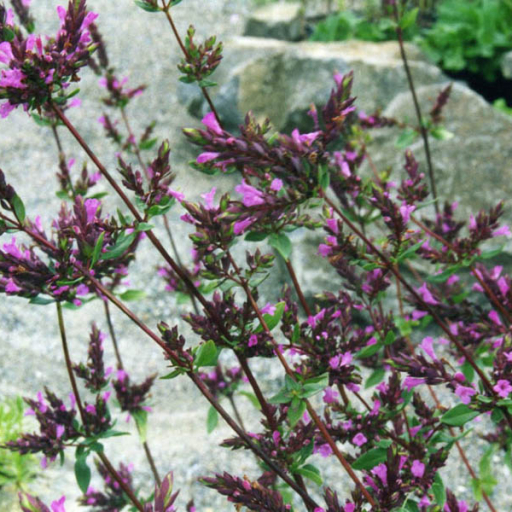
Known as Ornamental Oregano or Smooth Oregano, this Mediterranean beauty is the elegant, flowering cousin of the common herb found in your spice rack. Originating from the sun-drenched, rocky slopes of Turkey and Cyprus, it is cherished by gardeners not for its flavor, but for its airy, cloud-like purple blooms and its incredible ability to thrive in tough, dry conditions.
🔍 How to Identify
- 🍃 Foliage: Small, oval, dark-green leaves that are remarkably smooth to the touch and often take on a deep purplish or bronze tint during colder months.
- 🌸 Bloom Structure: Tiny, tubular pink-to-purple flowers that peek out from striking, dark reddish-purple "bracts" (the leaf-like scales that protect the flower).
- 📏 Growth Habit: It forms a low, tidy mound of foliage from which slender, dark, wiry stems rise up to 2 feet high, creating a delicate "see-through" effect in flower beds.
🏡 In Your Garden
- ☀️ Sun & Drainage: This plant is a true sun-worshipper. Its biggest enemy is "wet feet"; it requires sharp, gritty drainage to prevent root rot, mimicking its native mountain home. It is exceptionally drought-tolerant once its roots are established.
- 🦋 Pollinator Magnet: While humans love it for aesthetics, bees and butterflies are the primary fans. It provides a vital nectar source from mid-summer all the way through the first frosts of autumn.
⚠️ Safety & Toxicity
- 🌿 Status: Generally safe and non-toxic to humans. While it is technically edible, it lacks the strong flavor of culinary oregano and is much more bitter.
- 🐾 Pets & Kids: It is considered non-toxic to dogs and cats. However, because it contains concentrated aromatic oils, curious pets who eat a large amount may experience a mild, temporary upset stomach.
✨ Fun Fact
The species name laevigatum is Latin for "smooth" or "polished." This refers to the plant’s hairless leaves, which distinguish it from almost all other members of the Oregano family, which are typically quite fuzzy!

Detailed Care Instructions
To grow Origanum Laevigatum (also known as smooth oregano or marjoram), you can follow these steps:
- Choose a planting location: Select a sunny spot in your garden or a container that receives at least 6-8 hours of direct sunlight per day. The soil should be well-draining and slightly alkaline.
- Prepare the soil: Loosen the soil and remove any weeds or debris. You can also add organic matter like compost or aged manure to improve the soil's fertility and drainage.
- Sow the seeds or plant seedlings: You can either start from seeds or purchase young oregano plants from a nursery. If starting from seeds, sow them in a shallow tray or pot in early spring, covering them lightly with soil. Once the seedlings have grown to a suitable size, transplant them into the ground or individual pots.
- Provide adequate water: Origanum Laevigatum prefers moderate watering. Water the plants deeply when the top inch of soil feels dry, but avoid overwatering, which can lead to root rot. Mulching around the plants can help conserve moisture and suppress weeds.
- Prune regularly: Trim the plant regularly to encourage branching and bushier growth. This will also help prevent the plant from becoming leggy.
- Fertilize occasionally: Apply a balanced, slow-release fertilizer or organic compost once or twice during the growing season. Avoid over-fertilizing, as it can result in excessive foliage growth at the expense of flavor.
- Protect from extreme temperatures: While Origanum Laevigatum is fairly hardy, it may need protection from extreme cold or heat. Providing a light layer of mulch around the plant during winter can help insulate the roots.
- Harvesting: You can start harvesting the leaves when the plant reaches about 6-8 inches tall. Trim the stems just above a leaf pair to encourage further growth. For maximum flavor, harvest the leaves in the morning before the heat of the day.
Remember to check your local climate and growing conditions to ensure the best success for your Origanum Laevigatum plant!

Place in a bright room that is sun drenched almost all day. Or directly in a south-facing window.

To water this plant, it is important to maintain a moderate level of moisture in the soil. This can be accomplished by checking the soil regularly to ensure it is not too dry or too wet. It is best to use room temperature water, as extreme temperatures can shock the plant. When watering, be sure to water the soil around the plant and not the leaves to avoid the plant getting too wet and potentially developing fungal diseases. It is important to allow the soil to dry out slightly between waterings, as overwatering can cause root rot. A good frequency for watering this plant is once every 1-2 weeks, depending on the climate and amount of sunlight the plant receives.
To fertilize this plant, apply a balanced fertilizer in the spring before new growth appears. Use a slow-release fertilizer or organic fertilizer, following the instructions on the packaging. Avoid fertilizing in the fall as this can encourage new growth that may not have time to harden off before winter. Water the plant well after fertilizing to ensure the nutrients are absorbed.
The best soil to use for the Origanum Laevigatum plant should be well-draining and loose. It should have a pH of around 6.5 to 7.5, which is slightly acidic to neutral. The soil should be rich in organic matter and have good fertility. This plant prefers soil that is not too wet and has good drainage, as it can be sensitive to root rot. Adding organic compost to the soil can help improve its drainage and fertility. It is also recommended to use a container with drainage holes if the plant is grown indoors, to prevent waterlogging and promote good drainage. Overall, the soil should be able to provide enough nutrients and moisture to support healthy growth and development of the Origanum Laevigatum plant.
To propagate this plant, you will need to start by taking softwood cuttings of about 4-6 inches in length. These cuttings should be taken during the summer season when the plant is actively growing.
Once you have your cuttings, remove the lower leaves and dip the cut end in rooting hormone. Then, plant the cutting in a well-draining soil mix and water thoroughly.
To ensure the success of your cutting, it is best to keep it in a warm, humid environment and mist it regularly. After a few weeks, you should start to see new growth indicating that the cutting has successfully rooted.
Once the new plant has become established, you can transplant it into a larger container or into your garden bed. Keep in mind that this plant prefers full sun and well-draining soil. With proper care, your propagated Origanum Laevigatum plant will continue to thrive and produce beautiful blooms.








