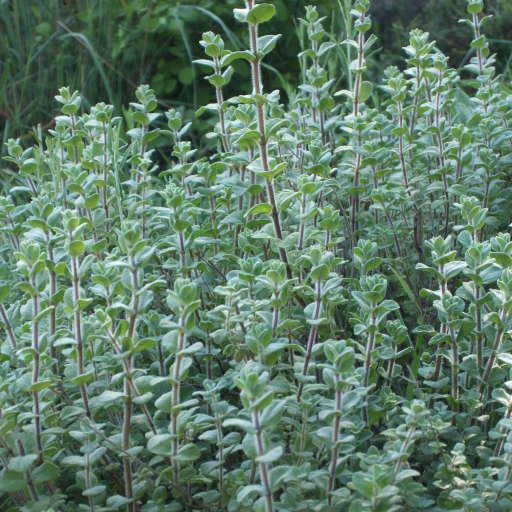
Plant Overview
Often called "Bible Hyssop" or "Syrian Oregano," this aromatic herb is the soul of Middle Eastern cuisine. It is the primary ingredient in the famous spice blend Za'atar, which has been a staple of the Levant for millennia. Known for its savory, spicy, and slightly minty fragrance, it has been cherished since biblical times for both its intense flavor and its perceived purifying properties.
🔍 How to Identify
- 🌿 Foliage: Small, heart-shaped or oval leaves that are noticeably fuzzy or "velvety" to the touch.
- 🎨 Color Palette: A distinct silvery or greyish-green hue, which helps the plant reflect intense Mediterranean sunlight and conserve moisture.
- 🌸 Bloom Style: Tiny, tubular white to pale pink flowers that cluster in dense, "cone-like" spikes at the ends of the stems during the summer.
🏡 In Your Garden
- ☀️ Sun Worshipper: This plant thrives in "harsh" conditions; it needs full sun and heat to develop the essential oils that give it such a pungent flavor. If grown in the shade, it loses its signature scent.
- 🏜️ Drainage is Key: Because it originated in rocky, limestone-rich soils, it will quickly succumb to root rot if left in heavy, soggy clay. It is the perfect candidate for a xeriscape, a Mediterranean-style rock garden, or unglazed terracotta pots that allow the soil to breathe.
⚠️ Safety & Toxicity
- 🍽️ Edible Status: Completely safe and highly prized for human consumption. It is most flavorful when dried and crushed.
- 🐾 Pet Sensitivity: While not listed as a major toxin, the high concentration of aromatic oils (like carvacrol and thymol) may cause mild stomach upset or drooling in cats or dogs if they chew on large quantities of the fresh plant.
✨ Fun Fact
While "Za'atar" is the name of the famous spice blend containing sumac and sesame, it is also the common name for the plant itself in its native lands. In the Levant, "going to pick Za'atar" refers specifically to harvesting Origanum syriacum from the wild, rocky hillsides.

Detailed Care Instructions
To grow Origanum Syriacum (also known as Syrian Oregano), you can follow these steps:
- Choose the right location: Syrian Oregano prefers full sun, so select a spot in your garden or a container with at least 6-8 hours of direct sunlight daily.
- Prepare the soil: The soil should be well-draining and fertile. Mix in some organic matter, such as compost, to improve its texture and nutrient content.
- Start from seeds or cuttings: You can either sow seeds directly into the soil or start with cuttings. If using seeds, sow them in late winter or early spring. If using cuttings, take 3-4 inches long stem cuttings from a healthy plant and place them in a rooting hormone before planting.
- Planting: Plant the seeds or cuttings about 12-18 inches apart, ensuring they have enough space to grow. Gently press the soil around them to secure them in place.
- Watering: Keep the soil consistently moist but not waterlogged. Water the plants regularly, especially during dry periods. Be careful not to overwater, as this plant prefers slightly dry soil.
- Fertilizer: Use a balanced fertilizer or organic compost once a month to provide additional nutrients to the plants. Follow the instructions on the fertilizer package for the appropriate dosage.
- Pruning: Regularly trim the plant to promote bushier growth and prevent it from becoming too leggy. You can use the pruned leaves for culinary purposes.
- Harvesting: Once the plant has reached a height of about 8-12 inches, you can start harvesting the leaves. Trim the stems just above a leaf node to encourage new growth.
- Protect from extreme temperatures: Syrian Oregano can tolerate hot summers but may not survive freezing temperatures. If you live in a cold climate, consider growing it in a container that you can bring indoors during winter or cover the plant with a frost cloth.
Remember to observe good gardening practices, such as regular weeding, monitoring for pests, and providing adequate air circulation around the plants. With proper care, you can enjoy fresh Syrian Oregano leaves for culinary use.

Place in a bright room that is sun drenched almost all day. Or directly in a south-facing window.

1. First, observe the soil. It is important to check if the top inch of soil is dry. If it is still moist, don't water the plant as it may lead to root rot.
2. When watering, apply water slowly and gently to moisten the soil rather than pouring all the water at once. This ensures that the soil doesn't get washed away.
3. Aim the water directly at the base of the plant to avoid getting the foliage wet. Wet foliage can cause fungal diseases.
4. Water the plant deeply once a week, rather than giving it small amounts of water daily. This encourages the plant to grow deep roots to search for water, making it more resilient in dry conditions.
5. Consider using a watering can with a long spout or a hose with a wand to water the plant easily.
6. Ensure that the pot or container has drainage holes to prevent water from building up and drowning the plant.
7. In the winter months, reduce watering frequency as the plant's growth slows down due to decreased sunlight and cooler temperatures.
8. During the hot summer months, consider adding a layer of mulch to the soil to help retain moisture and reduce evaporation, which will also improve the soil's overall water-holding capacity.
To fertilize the plant, use a balanced fertilizer with equal percentages of nitrogen, phosphorus, and potassium. Apply the fertilizer every four to six weeks during the growing season, which is usually from spring to early fall. Make sure to dilute the fertilizer according to the instructions on the package before applying it. Avoid fertilizing during the winter months when the plant is dormant.
For optimal growth of this plant, it requires a well-draining soil that is rich in nutrients and organic matter. The soil should have a pH level between 6.0 to 8.5, which is slightly alkaline. It is recommended to use a blend of sandy loam soil with perlite and compost to provide a balanced pH and ensure proper drainage.
The plant prefers a soil that is moist but not overly wet to prevent root rot, so it is best to water it regularly and maintain adequate drainage. The soil should be allowed to dry out slightly between watering to prevent overwatering.
It is also important to fertilize the plant with a slow-release organic fertilizer every four to six weeks during the growing season to ensure adequate nutrient supply. Additionally, mulching around the base of the plant can help to retain moisture and prevent weeds from growing. Overall, the key is to provide a nutrient-rich, well-draining soil that can support healthy growth and development of this plant.
To propagate this plant, you will need to take stem cuttings. Choose a healthy, non-flowering stem and cut a 3-4 inch section just below a leaf node. Remove the leaves from the bottom half of the cutting and dip the end into rooting hormone powder. Plant the cutting into moistened soil or vermiculite and cover it with a plastic bag or plastic wrap to create a greenhouse effect. Keep the cutting in a warm, bright place, but out of direct sunlight. Keep the soil moist and mist the cutting occasionally to keep the humidity high. After a few weeks, the cutting should develop roots and be ready to transplant into a pot or garden bed.








