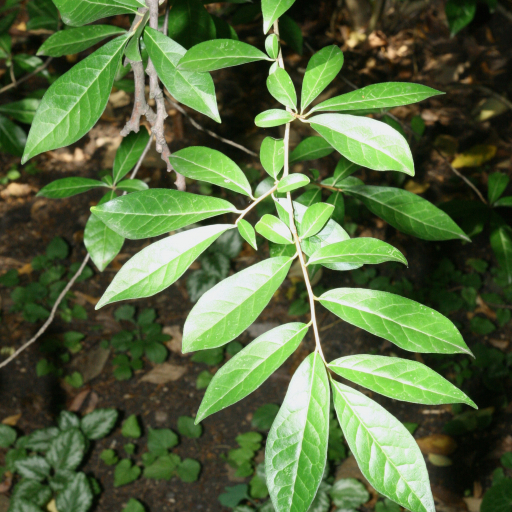
Plant Overview
Known in its native Japan as Kokusagi, the Orixa Japonica is a hidden gem of the woodland garden. This deciduous shrub is a master of the understory, prized by enthusiasts for its glossy, aromatic foliage that releases a spicy, citrus-like scent when bruised. It is an architectural favorite for those looking to add lushness to the darker, quieter corners of a landscape.
🔍 How to Identify
- 🍃 Lustrous Leaves: The foliage is a deep, vibrant green with a distinctively shiny, waxy surface and slightly wavy edges.
- 👃 Aromatic Signature: If you crush a leaf, it emits a pungent, refreshing fragrance that sits somewhere between lemon peel and herbal incense.
- 🍂 Ghostly Fall Color: In autumn, the leaves transform into a unique, translucent cream or "parchment" color, making the shrub appear to glow in the shade.
🏡 In Your Garden
- 🌑 Shade Specialist: This plant thrives in deep shade and dappled light. It is one of the few shrubs that maintains a dense, healthy form without needing direct afternoon sun.
- 🦌 Deer Resistant: Thanks to the high concentration of essential oils in its leaves, deer and rabbits almost always give this plant a wide berth, making it a "safe" choice for rural properties.
- 🌱 Slow and Steady: It has a polite, mounding growth habit. It isn't aggressive, but because it develops a deep root system, it prefers to stay in one spot rather than being moved once established.
⚠️ Safety & Toxicity
- 🟢 General Safety: Orixa Japonica is generally considered non-toxic to humans and common household pets. It is not an edible plant, but it does not carry the "deadly" reputation of other ornamental shrubs.
- 🧴 Skin Sensitivity: Because it belongs to the Rutaceae (citrus) family, the oils in the leaves can occasionally cause mild skin irritation or photosensitivity in sensitive individuals. It is a good idea to wear gloves if you are doing heavy pruning on a sunny day.
✨ Fun Fact
Orixa japonica is famous among botanists for its "Orixate" leaf arrangement. Unlike most plants where leaves follow a simple alternating pattern, Orixa leaves grow in a complex, rhythmic sequence (left-left-right-right) that is almost unique in the plant kingdom!

Detailed Care Instructions

Place in a window with dappled sun or a spot in the middle of a room. Or directly in a window facing west or east.

When the top few inches of soil dry out, water your plants. If the top few inches of soil are still moist, do not water your plant. Wait a few days, then poke your finger into the soil to see if anything has changed. Overwatering poses a disease risk, such as the development of fungal diseases in the roots. These plants have adaptations in there leaves that allow them to survive in low water supply.








