Plant Overview
Known affectionately as the "Chincherinchee" or "Wonder Flower," this South African native is a showstopper in both the garden and the vase. Its peculiar common name is said to imitate the sound the dry stalks make when they rub together in the wind. Famous for its incredible longevity, a single cut stem can remain fresh and vibrant for up to six weeks, earning it a legendary reputation among florists.
🔍 How to Identify
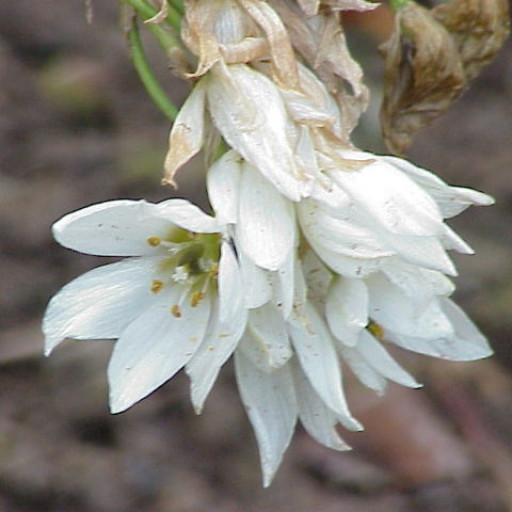
- ⚪ The Bloom: Dozens of creamy, star-shaped white flowers grow in a dense, pyramid-like cluster (a "thyrse") at the top of the stem.
- 🌑 The Heart: Each individual floret features a distinct, dark greenish-brown center that creates a striking contrast against the snowy petals.
- 🍃 The Foliage: Bright green, fleshy, strap-shaped leaves emerge from the base. Be aware that these leaves often begin to wither just as the plant starts its dramatic flowering display.
🏡 In Your Garden
- ☀️ Sun Seeker: Native to the Western Cape, this plant craves bright light. It uses its thick, bulbous roots to store energy, allowing it to survive through dry spells, but it demands excellent drainage to prevent bulb rot.
- ⏳ The Long Goodbye: Because it blooms from the bottom of the cluster upward, it stays in flower for a remarkably long time. If you’re growing them for bouquets, snip the stems when the first few lower buds begin to open.
- 💤 Seasonal Sleep: After the flowering season, the plant will go dormant. Resist the urge to overwater during this time; the bulb needs a "dry rest" to prepare for next year's show.
⚠️ Safety & Toxicity
- 🚫 Toxic Status: Highly poisonous if ingested.
- 🐾 Pets & People: The plant contains cardiac glycosides which are dangerous to horses, cattle, and domestic pets. Ingestion can cause digestive upset, lethargy, or more serious heart issues. Keep these bulbs and flowers away from curious toddlers and cats who like to chew on greens.
✨ Fun Fact
The Chincherinchee is a world traveler! In the early 20th century, these flowers were regularly shipped by boat from South Africa to the United Kingdom. Because they are so hardy, they would survive the weeks-long journey in the dark cargo holds and bloom perfectly upon arrival in London.

Detailed Care Instructions
To grow Ornithogalum Thyrsoides, also known as the Chincherinchee or Wonder Flower, follow these steps:
- Choose a planting location: Select an area that receives full sunlight or partial shade. Make sure the soil is well-draining to prevent waterlogging.
- Prepare the soil: Ornithogalum Thyrsoides prefers sandy or loamy soil. Amend the soil with compost or organic matter to improve its fertility and drainage if necessary.
- Planting: Plant the bulbs in spring or early summer, after the threat of frost has passed. Dig a hole that is two to three times deeper than the bulb's height. Space the bulbs about 4-6 inches apart.
- Watering and moisture: Water the bulbs right after planting, ensuring the soil is moist but not waterlogged. Once established, water the plants regularly, providing about 1 inch of water per week. Adjust the frequency depending on the weather conditions and soil moisture levels.
- Fertilization: Apply a balanced, all-purpose fertilizer once the plants start growing. Follow the instructions on the fertilizer packaging for the appropriate dosage. Repeat the application every 4-6 weeks throughout the growing season. Avoid over-fertilizing, as it can damage the plant.
- Mulching: Apply a layer of organic mulch around the plants to retain moisture, suppress weed growth, and maintain a more consistent soil temperature. Make sure the mulch is not in direct contact with the bulbs to avoid rotting.
- Support: As the plants grow, they may require support due to their top-heavy nature. Insert stakes or provide a trellis system to prevent the flowers from tipping over.
- Pruning: After blooming, allow the foliage to die back naturally. This process helps the bulbs store energy for the next growing season. Once the foliage turns yellow and dies, cut it back to ground level.
- Pest and disease control: Ornithogalum Thyrsoides is generally resistant to pests and diseases. However, keep an eye out for common garden pests like aphids or snails. Use organic pest control methods or suitable pesticides if required.
- Division and propagation: After a few years, the bulbs may become crowded. Dig up the bulbs in late summer or early fall, separate them, and replant them in fresh soil to ensure continued blooming.
With proper care and suitable growing conditions, Ornithogalum Thyrsoides should thrive and produce beautiful white, star-shaped flowers.

Place in a window with dappled sun or a spot in the middle of a room. Or directly in a window facing west or east.

To water this plant, you should aim to keep the soil consistently moist but not waterlogged. It prefers well-draining soil, so make sure not to let it sit in standing water. Water deeply and thoroughly, allowing excess water to drain away from the pot or the plant's base. In the summer months when the plant is actively growing, it may require more frequent watering. During the winter, you can reduce the frequency of watering to prevent overwatering and root rot. Additionally, you may want to consider using a watering can with a narrow spout or a spray bottle to water the plant more precisely and avoid getting water on the leaves.
For optimal growth and flowering, fertilize this plant biweekly during the growing season with a balanced, water-soluble fertilizer. Use a formulation with equal ratios of nitrogen, phosphorus, and potassium. Avoid over-fertilizing, as this can cause excess foliage growth at the expense of blooms. In the dormant season, reduce or cease fertilization to allow the plant to rest.
Ornithogalum thyrsoides prefers well-draining soil that is fertile and rich in organic matter. The soil should be slightly acidic to neutral, with a pH range of 5.5 to 7.0. It is recommended to use a soil mix that includes equal parts of potting mix, perlite, and sand to promote drainage and provide enough nutrients for the plant to thrive. The soil should not be waterlogged, as this can cause root rot and other diseases. Additionally, it is important to avoid using heavy soils that retain water for prolonged periods since this can lead to waterlogging and poor root development. Regular fertilization with a balanced fertilizer can help to ensure that the plant has all the necessary nutrients to grow healthy and strong.
Propagation of this plant can be done through several methods. One method is to divide the plant. This involves carefully separating the root system and replanting the divisions in separate areas. Another method is to plant the bulbs in soil and ensure they receive adequate water and light. The bulbs will grow into new plants over time. It is important to note that this plant prefers well-draining soil and should not be over-watered. Additionally, the plant may produce offsets, which can be removed and planted to produce new plants. Overall, Ornithogalum Thyrsoides is a hardy plant that can be propagated easily with proper care and attention.








