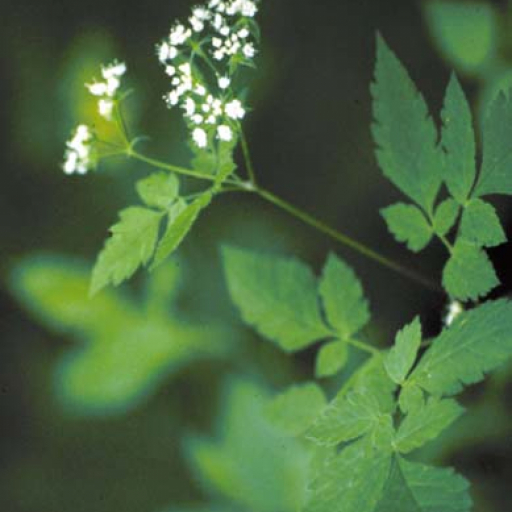
Plant Overview
Known as "Clayton’s Sweetroot" or "Hairy Sweet Cicely," this delicate woodland native brings a touch of wild elegance to the forest floor. Often found dancing in the dappled light of North American deciduous forests, it is prized by nature lovers for the faint, sweet scent of licorice hidden within its roots. It is a quiet, resilient member of the carrot family that favors the company of ancient hardwoods.
🔍 How to Identify
- 🌿 Fern-like Foliage: The leaves are deeply divided and bipinnate, giving the plant a soft, lacy appearance similar to garden chervil or parsley.
- ☁️ Hairy Stems: Unlike its smooth-stemmed cousins, Osmorhiza claytonii is covered in fine, soft white hairs along the stems and leaf stalks.
- 🌸 Umbel Flowers: In late spring, it produces tiny, star-shaped white flowers arranged in loose, umbrella-like clusters that seem to float above the foliage.
- 📍 Needle-like Seeds: As the flowers fade, they turn into long, dark, needle-shaped fruits that are slightly curved and ribbed.
🏡 In Your Garden
- 🌳 Woodland Preference: This plant thrives in "forest edge" conditions. It is perfect for a shade garden or a naturalized woodland border where it can enjoy rich, loamy soil and dappled sunlight.
- 🌱 Taproot Sensitivity: Because it develops a deep, sturdy taproot, it hates being transplanted. If you want to grow it, it is best to sow seeds directly in their permanent home or move very young seedlings.
- 🦋 Pollinator Support: It serves as a subtle but important nectar source for small native bees and beneficial flies that frequent shaded environments during the spring.
⚠️ Safety & Toxicity
- ✅ Status: Generally considered non-toxic, and historically the roots were used for flavoring.
- 🚫 The Look-Alike Warning: CRITICAL CAUTION. Sweet Cicely belongs to the Apiaceae family, which includes the Deadly Water Hemlock. Because their white umbels and lacy leaves look nearly identical to the untrained eye, you should never consume this plant unless you are an expert botanist.
- 🐾 Pets & Kids: While not specifically listed as a high-risk poison for pets, the bristly seeds can get stuck in fur or ears, causing irritation.
✨ Fun Fact
The seeds of the Sweetroot are expert "hitchhikers." They are equipped with tiny, stiff barbs that latch onto the fur of passing animals (or the socks of hikers), allowing the plant to spread its offspring miles away from the parent plant!

Detailed Care Instructions
To grow Osmorhiza Claytonii, also known as sweet cicely, you can follow these steps:
- Choose the right location: Select a spot in your garden that receives partial shade to full shade. Sweet cicely prefers cooler temperatures and sheltered areas.
- Prepare the soil: The soil should be moist, well-draining, and rich in organic matter. Amend the soil with compost or well-rotted manure before planting to provide nutrients.
- Sow the seeds: Osmorhiza Claytonii can be grown from seeds. Sow the seeds directly into the prepared soil in spring or fall. Lightly press the seeds into the soil, covering them with a thin layer of soil.
- Watering: Keep the soil consistently moist but not waterlogged. Regularly water the plants to ensure they are adequately hydrated, especially during dry periods.
- Mulch: Apply a layer of organic mulch around the plants to help retain moisture, suppress weeds, and provide additional nutrients as it decomposes. This is particularly beneficial during the hot summer months.
- Pinch back or thin the plants: When the seedlings are around 4-6 inches tall, you can pinch back the top growth or thin the plants to allow for better air circulation and prevent overcrowding.
- Weed control: Ensure you keep the area free from weeds, as they can compete with the sweet cicely for nutrients and water.
- Harvesting: Once the plants are well established, you can harvest the leaves and stems for culinary use. Simply snip off the required amount, leaving enough foliage for the plant to continue growing.
- Overwintering: In areas with cold winters, sweet cicely may die back to the ground. Apply a thick layer of mulch around the base of the plants in late fall to protect the roots from freezing temperatures.
- Division: Over time, sweet cicely plants can become crowded. You can divide the plants in spring or fall to maintain their health and vigor. Dig up the clumps, separate the root crowns, and replant them in well-prepared soil.
By following these steps, you should be able to successfully grow Osmorhiza Claytonii in your garden.

Place in a dark room with little light, like a dark bedroom or a spot far away from a window or directly in a north-facing window.

The plant in question belongs to the Apiaceae family and is a perennial herb that typically grows up to 2 feet tall. To water this plant, you'll need to first test its soil moisture level by sticking your finger about an inch deep into the soil. If the soil is dry, it's time to water the plant.
It's best to water Osomorhiza Claytonii slowly and deeply, to avoid waterlogging and to allow the roots to absorb the water effectively. Use a watering can or a hose with a wand attachment to deliver water directly to the soil. Avoid getting water on the leaves, as this can increase the risk of fungal diseases.
One watering session typically lasts between 5-10 minutes. The frequency of watering will vary depending on various factors, including the plant's location, weather conditions, and soil type. In general, you should aim to water the plant every 7-10 days during the growing season, but less frequently during the winter months.
It's important to avoid overwatering Osomorhiza Claytonii, as this can lead to root rot and other issues. To help maintain adequate moisture levels around the plant, consider adding a layer of mulch around the base of the plant. This will help to retain moisture in the soil and reduce the frequency of watering needed.
- Choose a well-draining soil mix: Select a well-draining soil mix that is rich in organic matter. Osmorhiza Claytonii prefers slightly acidic soil, so ensure the pH is between 5.5 and 6.5.
- Start fertilizing in spring: Begin fertilizing the plant in the spring when it starts to show new growth. Avoid fertilizing in winter or late fall when the plant goes dormant.
- Use a balanced fertilizer: Choose a balanced, slow-release fertilizer specifically formulated for flowering plants. This type of fertilizer will provide the necessary nutrients in a controlled manner over an extended period.
- Follow package instructions: Refer to the instructions on the fertilizer package for the exact dosage and application frequency suitable for your plant. Generally, a slow-release fertilizer should be applied every six to eight weeks during the growing season.
- Apply fertilizer evenly: Spread the fertilizer evenly around the base of the plant, avoiding direct contact with the stem or foliage. Gently work the fertilizer into the top layer of soil using a small garden fork or rake.
- Water thoroughly after fertilizing: After applying the fertilizer, water the plant thoroughly to help distribute the nutrients into the soil. Ensure the excess water drains away to prevent waterlogging.
- Monitor for signs of over-fertilization: Keep an eye on the plant for signs of over-fertilization, such as stunted growth, burned or yellowing leaves, or wilting. If you notice any of these symptoms, flush the soil with water to leach out excess nutrients.
- Adjust fertilizer application as needed: Observe how the Osmorhiza Claytonii plant responds to the fertilizer. If it appears healthy and exhibits good growth, continue following the recommended application schedule. However, if growth is poor or leaves appear pale, consider increasing the frequency or concentration of the fertilizer slightly.
Remember, it is always best to conduct a soil test before fertilizing to determine any specific nutrient deficiencies. Alternatively, consulting with a local horticulturist or gardening expert can provide specific insights into fertilizing requirements for your Osmorhiza Claytonii plant.
Osmorhiza Claytonii prefers well-drained soil that is rich in organic matter and has a pH level ranging from slightly acidic to neutral. It grows best in moist soil conditions and does well in areas with moderate shade. A soil mix that contains a combination of sand, loam, and peat moss can be used to create the ideal growing environment for this plant. It is important to avoid using heavy, compacted soils that can cause excess moisture retention and hinder root growth. The addition of compost or other organic fertilizers can help improve soil quality and fertility, promoting healthy growth and strong root development. Proper soil preparation and ongoing maintenance are crucial for ensuring the health and viability of Osmorhiza Claytonii plants.
Osmorhiza claytonii is a perennial herbaceous plant that can be propagated through several methods. Here are the details on how to propagate this plant:
- Seed Propagation:
- Collect mature seeds from dried seedheads of healthy Osmorhiza claytonii plants.
- Prepare a seedbed or seed tray with a well-draining potting mix.
- Sow the seeds thinly on the surface of the soil and gently press them down.
- Cover the seeds with a thin layer of soil or vermiculite.
- Mist the soil lightly to moisten it without causing waterlogging.
- Place the seedbed or tray in a partially shaded location.
- Keep the soil consistently moist by misting or watering gently.
- Germination generally takes several weeks to a few months.
- Once the seedlings have developed several true leaves, they can be transplanted into individual pots or directly into the garden.
- Collect mature seeds from dried seedheads of healthy Osmorhiza claytonii plants.
- Division:
- Choose a healthy and well-established Osmorhiza claytonii plant to divide.
- Dig up the plant carefully, trying to avoid damaging the roots.
- Gently separate the roots into sections, ensuring each section has sufficient roots and shoots.
- Trim any damaged or excessively long roots.
- Replant the divided sections immediately into prepared holes in the desired location, ensuring the crown (where the roots meet the shoots) is level with the soil surface.
- Water the newly divided plants thoroughly to settle the soil and encourage root growth.
- Choose a healthy and well-established Osmorhiza claytonii plant to divide.
- Rhizome Cuttings:
- Select a mature, healthy Osmorhiza claytonii plant with well-developed rhizomes.
- Dig up the plant and carefully remove a section of the rhizome.
- Cut the rhizome into smaller sections, ensuring each section has at least one bud or shoot and some root mass.
- Dust the cut sections with a rooting hormone (optional) to promote rooting.
- Plant the rhizome sections horizontally in a prepared garden bed or containers, with the buds facing upwards and the cut sections covered with soil.
- Water the planted sections thoroughly to settle the soil and provide moisture.
- Place the propagated sections in a partially shaded location and ensure they receive adequate moisture and care.
It's important to note that Osmorhiza claytonii plants prefer partial shade and moist, well-draining soil. Regular watering and mulching can help maintain optimal growing conditions. Additionally, be mindful of potential pests or diseases and take appropriate measures to prevent or treat any issues that may arise.
- Select a mature, healthy Osmorhiza claytonii plant with well-developed rhizomes.








