Plant Overview
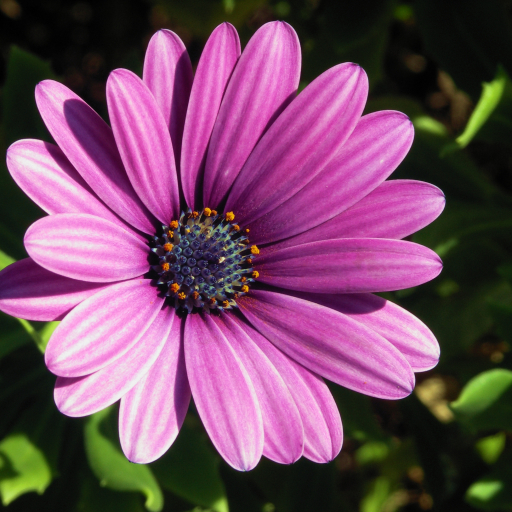
Known as the African Daisy or Cape Daisy, Osteospermum is a sun-loving superstar native to South Africa. These plants are beloved for their incredible "metallic" sheen and vibrant colors that look almost too perfect to be real. Whether they are dotting a rock garden or spilling over the sides of a patio pot, they bring a cheerful, wild-meadow energy to any space.
🔍 How to Identify
- 🌸 The Bloom: Classic daisy-like flower heads with a distinct central disc, often in a contrasting, deep metallic blue or purple.
- 🥄 Petal Variations: While many have flat petals, some varieties feature "spoon-shaped" petals that pinched in the middle, looking like tiny colorful oars.
- 🌿 Leaf Texture: The foliage is usually lance-shaped and slightly succulent or "fleshy," sometimes with notched edges, giving the plant a sturdy, bushy appearance.
🏡 In Your Garden
- ☀️ The Sun Requirement: These are "true" sun worshippers. The flowers are phototropic, meaning they physically track the sun, and many varieties will actually close their petals completely at night or on very cloudy days.
- 💧 Dry Feet Only: Originating from dry, rocky regions, they despise "wet feet." They need sharp-draining soil and are much happier being slightly underwatered than overwatered.
- ✂️ Summer Siesta: Don't panic if they stop blooming in the peak of a scorching summer; they often take a "nap" during extreme heat and will flush with flowers again once the nights cool down in late summer or fall.
⚠️ Safety & Toxicity
- ✅ Pet Friendly: Great news for pet owners—Osteospermum is generally considered non-toxic to dogs, cats, and horses.
- 👶 Human Safety: They are safe for curious children as well, though the sap can occasionally cause very mild skin irritation in people with highly sensitive skin.
✨ Fun Fact
While we call them "African Daisies" today, they were once part of the genus Dimorphotheca. The name Osteospermum actually translates to "bone seed," referring to the unusually hard, bone-like seeds the plant produces after the flowers fade.

Detailed Care Instructions







