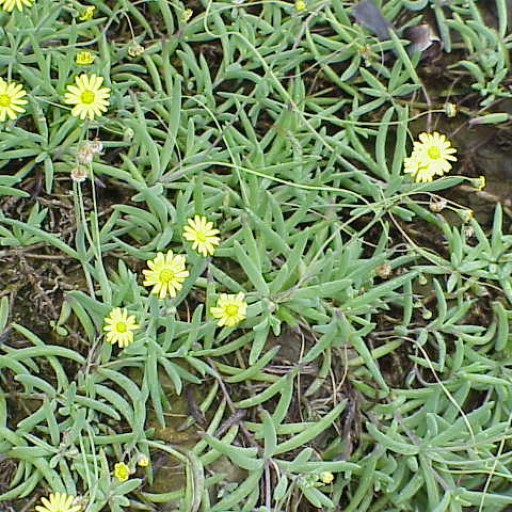
Plant Overview
Often called "Little Pickles" for its plump, cucumber-like leaves or "Ruby Necklace" for its vibrant jewel-toned stems, Othonna capensis is a show-stopping trailing succulent from South Africa. It is beloved by indoor gardeners for its ability to change colors like a mood ring, shifting from bright green to deep purple when exposed to the sun. This resilient creeper provides a cascade of texture that looks spectacular spilling over the edges of hanging baskets.
🔍 How to Identify
- 🍃 The Foliage: Small, bean-shaped, cylindrical leaves that look like tiny pickles. They are usually bright green but turn burgundy or violet when "sun-stressed."
- 🧣 The Stems: Delicate, thin, and wiry stems that are naturally a deep ruby-red or purple color, providing a beautiful contrast to the green leaves.
- 🌼 The Blooms: Bright yellow, daisy-like flowers that sit atop thin stalks. Unlike many succulents that bloom rarely, this plant can produce flowers year-round if it gets enough light.
🏡 In Your Garden
- ☀️ Light Sensitivity: This plant is a sun-lover. To achieve the signature "Ruby" color, it needs several hours of direct sunlight; in low light, the plant will remain green and the stems will stretch (become leggy).
- 💧 Drought Strategy: Because it stores water in its pickle-like leaves, it is incredibly drought-tolerant. It is far more likely to die from overwatering than underwatering, so always wait for the soil to be bone-dry before giving it a soak.
- ✂️ Propagation: It is exceptionally easy to share with friends. Simply snip a stem, remove a few bottom leaves, and tuck it back into the soil—it roots quickly and begins trailing in no time.
⚠️ Safety & Toxicity
- 🐾 Status: Mildly Toxic.
- ✋ Details: Othonna capensis contains pyrrolizidine alkaloids, which can cause liver irritation or stomach upset if ingested in large quantities. It is best kept in hanging pots out of reach of curious cats, dogs, or toddlers.
✨ Fun Fact
🎨 Nature’s Sunscreen: The purple color the plant turns in high light isn't a sign of distress; it's actually the plant producing anthocyanins (pigments) to act as a natural sunscreen, protecting its delicate tissues from UV damage!

Detailed Care Instructions
| Color | Yellow |
| Soil Ph | 6.0-6.5 |
| Humidity | Normal |
| Lighting | Full Sun |
| Toxicity | Non-Toxic |
| Soil Type | Well-Draining, Cactus/Succulent Soil |
| Bloom Time | Spring, Summer, Fall |
| Difficulty | Medium |
| Plant Type | Succulent |
| Mature Size | 2 Inches Tall |
| Native Area | South Africa |
| Sun Exposure | Direct Sun |
| Hardiness Zones | 6 - 9 |
To grow Othonna Capensis, also known as Ruby Necklace or Little Pickles plant, you can follow these steps:
- Choose a suitable location: Othonna Capensis prefers bright indirect light or filtered sunlight. It can also tolerate some direct sunlight, especially during the morning hours. Place the plant near a south or west-facing window.
- Select the right pot: Use a pot with drainage holes to prevent waterlogging. It is best to choose a pot slightly larger than the current size of the plant to allow for growth.
- Soil and potting mix: Use a well-draining succulent potting mix or make your own by combining cactus mix with perlite or pumice. This will ensure proper drainage and prevent the roots from rotting.
- Planting: Fill the pot with the potting mix, leaving enough space for the plant to be placed. Gently remove the Othonna Capensis plant from its current container and place it into the new pot. Make sure the roots are covered with soil, but avoid burying the stem too deep.
- Watering: Othonna Capensis is a drought-tolerant plant and prefers infrequent watering. Water the plant thoroughly, allowing the excess water to drain out completely. Wait until the soil is dry before watering again. Overwatering may lead to root rot, so be cautious.
- Fertilizing: Apply a balanced, water-soluble fertilizer diluted to half strength once a month during the growing season (spring and summer). Do not fertilize during the winter months when the plant is dormant.
- Pruning: Othonna Capensis can become leggy over time. To promote bushier growth, pinch or trim the stems regularly. You can use the trimmed cuttings to propagate new plants.
- Propagation: Othonna Capensis can be propagated easily through stem cuttings. Simply cut a stem about 3-4 inches long, remove the lower leaves, and allow the cutting to dry for a day or two. Then, plant the cutting in moist succulent soil and keep it in bright indirect light until new roots and growth appear.
- Temperature and humidity: Othonna Capensis thrives in temperatures between 60-75°F (15-24°C). It can tolerate some variations in humidity levels. However, do not place the plant in a humid environment, as it may cause rot or fungal issues.
- Pests and diseases: Keep an eye out for common succulent pests, such as mealybugs or aphids. Treat infestations promptly using horticultural oil or insecticidal soap.
By following these guidelines, you can successfully grow and care for Othonna Capensis. Remember to adjust the watering and care regimen as per the specific conditions and needs of your plant.

Place in a bright room that is sun drenched almost all day. Or directly in a south-facing window.

To water this plant, it is important to consider the type of soil it is planted in. The soil should be well-draining to prevent water from pooling around the roots and causing rot.
It is best to water this plant deeply, allowing the water to fully saturate the soil and reach the roots. However, it is important not to overwater the plant, as this can also lead to rot.
To determine if the plant needs water, you can check the soil moisture level by sticking your finger an inch or two into the soil. If it feels dry to the touch, it is time to water.
When watering, it is best to use room temperature or slightly warm water to avoid shocking the plant. It is also important to avoid getting water on the leaves as this can lead to fungal infections.
During the winter months, it is advisable to reduce the frequency of watering as the plant goes through a period of dormancy.
To fertilize this plant, first make sure it is in well-draining soil and receiving adequate sunlight. Then, choose a balanced fertilizer with equal amounts of nitrogen, phosphorous, and potassium. Apply the fertilizer according to the package instructions, being careful not to over-fertilize as this can damage the plant. It is generally recommended to fertilize every 2-4 weeks during the growing season (spring and summer) and reduce or stop fertilizing during the dormant season (fall and winter).
The ideal soil for Othonna Capensis plant should be well-draining and loose. It should have a pH level between 6.0 and 7.0. The soil should be rich in nutrients and organic matter, as this plant requires regular feeding to thrive. It is recommended to add perlite, sand, or gravel to the soil mixture to improve its drainage and aeration. Additionally, the soil should be watered regularly, but not kept soggy. Overwatering can cause root rot and damage the plant. It is essential to ensure good air circulation around the plant to prevent fungal growth. Overall, the soil for Othonna Capensis plant should have excellent drainage, be nutrient-rich, and well-aerated.
There are a few methods to propagate this plant. One way is by stem cutting, where you take a cutting from the stem and allow it to callus over for a day or two before placing it in soil. Another way is by division, where you carefully separate the root ball into smaller sections and plant them individually. Both methods require well-draining soil and regular watering until the new plants establish themselves.
Common pests of the little pickles include Mealybugs, spider mites. Make a habit of checking your little pickles frequently for pests so that any infestations can be caught and managed early.








