Plant Overview
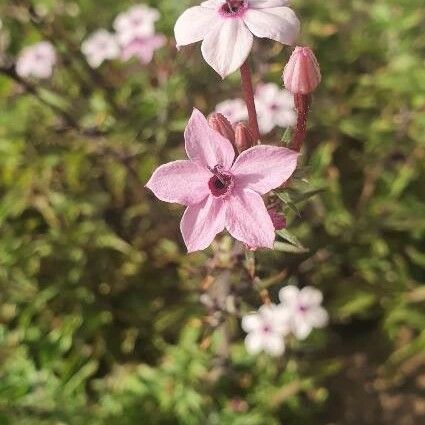
Often called the Eye-flowered Otomeria, this West African native is a showstopper for those who love symmetrical, striking blooms. It looks like a botanical version of a staring eye, designed by nature to stand out in the dappled light of the tropical forest floor. While rare in typical nurseries, it is a prized jewel among tropical plant collectors for its "quilted" leaves and hypnotic floral patterns.
🔍 How to Identify
- 🌸 The "Eye": The most distinct feature is the salverform flower (a long tube opening into flat petals). The petals are typically white or pale pink, featuring a bold, dark maroon or purplish-red "pupil" at the center.
- 🍃 Quilted Foliage: The leaves are deep green, arranged in opposite pairs, and have very clear, deep-set veins that give the surface a textured, almost corrugated appearance.
- 🌱 Growth Habit: It grows as a soft-stemmed herb or a low-branching shrub. It rarely grows tall, instead preferring to spread outward as a lush, leafy mound.
🏡 In Your Garden
- ☁️ Humidity is Key: Coming from the humid rainforests of Central and West Africa, this plant is not a fan of dry air. It thrives best in a greenhouse environment or a very humid room; otherwise, the leaf edges may crisp and turn brown.
- 🌦️ Filtered Sunlight: Think of its natural home under the forest canopy. It prefers bright, indirect light. Direct, harsh afternoon sun will bleach the vibrant "eye" of the flower and may wilt the soft foliage.
- 🧪 Soil Nuance: It prefers rich, organic soil that stays consistently moist. However, it is sensitive to "wet feet," so ensure your pot has excellent drainage to prevent root rot.
⚠️ Safety & Toxicity
- 🟢 General Status: Otomeria oculata is not currently listed on major toxic plant databases for humans or common pets.
- 🐾 Standard Caution: Even though it isn't considered "poisonous," ingesting any ornamental tropical plant can cause mild stomach upset in curious cats or dogs. It is always best to keep it on a high shelf or in a dedicated plant room.
✨ Fun Fact
The name Oculata literally translates from Latin as "having eyes" or "eyed." In the wild, that dark central spot isn't just for decoration; it acts as a "nectar guide," a target for specific long-tongued pollinators to help them find the center of the flower in the dim light of the jungle.

Detailed Care Instructions
- Check the soil moisture level: Before watering Otomeria Oculata, check the soil moisture level by inserting your finger 1-2 inches into the soil. If the soil is dry, it's time to water.
- Use room temperature water: Use only room temperature water for watering the plant. Extremely cold or hot water can shock the plant's roots and damage them.
- Water at the base of the plant: To avoid getting water on the plant's foliage, water at the base of the plant directly onto the soil.
- Water thoroughly: Water the plant thoroughly until water starts coming out of the drainage holes at the bottom of the container. This ensures that the water reaches the root system of the plant.
- Avoid overwatering: Overwatering can cause root rot and damage the plant. Allow the soil to dry out partially before watering again.
- Monitor environmental factors: The watering frequency of the plant may vary depending on environmental factors such as temperature, humidity, and air circulation. Monitor these factors and adjust watering accordingly.
The Otomeria oculata plant prefers well-draining, sandy soil with a slightly acidic to neutral pH level. It is important to avoid soil that retains too much moisture, as this can lead to root rot and other diseases. Soil mixes with a high percentage of perlite or sand are suitable for this plant. Additionally, adding some organic matter, such as compost or peat moss, to the soil mix can help improve nutrient retention and drainage. Regular watering is important, but care should be taken not to overwater.








