Plant Overview
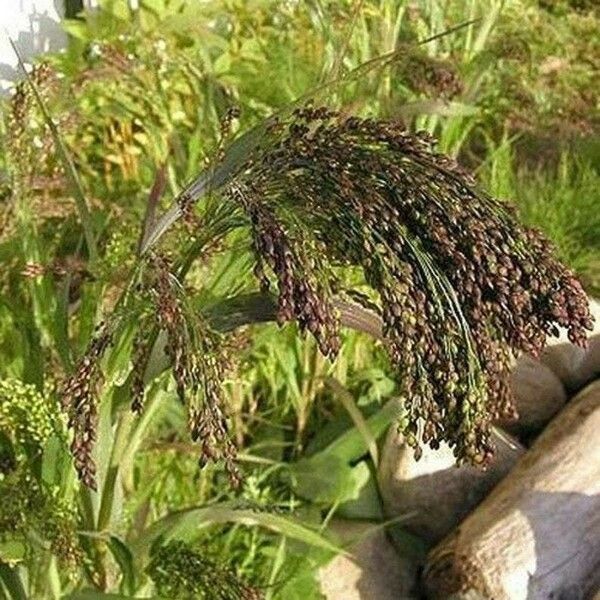
Often called the Slender Ottochloa or Node Grass, this elegant perennial is the ultimate survivor of the forest undergrowth. It is frequently nicknamed the "Bamboo of the Forest Floor" due to its segmented, sprawling stems that create lush, emerald carpets in places where other grasses would struggle to grow. While it is a common sight in Southeast Asian plantations, its delicate, airy texture makes it a favorite for those seeking a natural, woodland aesthetic.
🔍 How to Identify
- 🍃 Stems & Nodes: The plant features thin, wiry stems (culms) that are "geniculate," meaning they bend sharply like a knee. They have a unique ability to sprout new roots wherever a node touches the soil.
- 🌱 Leaf Texture: The leaves are broadly lance-shaped and surprisingly soft, typically reaching 5 to 15 cm in length with a vibrant, matte green finish.
- 🌾 Inflorescence: During its blooming phase, it produces loose, open panicles—delicate clusters of seeds that look like tiny green clouds floating just above the foliage.
🏡 In Your Garden
- ☁️ Shade Specialist: Unlike most lawn grasses that demand full sun, this plant is a shade-lover. It thrives in the dappled light under large garden trees or on the darker side of a house where other groundcovers might wither.
- 💧 Moisture Indicator: If this grass begins to carpet your garden naturally, it’s a sign that your soil is consistently moist and rich in organic matter. It acts as a living mulch, helping to prevent soil erosion during heavy rains.
⚠️ Safety & Toxicity
- ✅ Non-Toxic: Ottochloa nodosa is generally considered safe and non-poisonous. In many parts of the world, it is actually used as a highly palatable and nutritious fodder for livestock like goats and cattle.
- 🐾 Pet Friendly: It is not known to be toxic to cats or dogs. However, like any grass, if consumed in large quantities, it may cause mild stomach upset in pets simply because their digestive systems aren't designed for high fiber intake.
✨ Fun Fact
Ottochloa nodosa is so resilient that it is one of the few plants capable of growing in the deep, "dark" shade of rubber and oil palm plantations, where almost no other greenery can survive!

Detailed Care Instructions

Place in a bright room that is sun drenched almost all day. Or directly in a south-facing window.








