Plant Overview
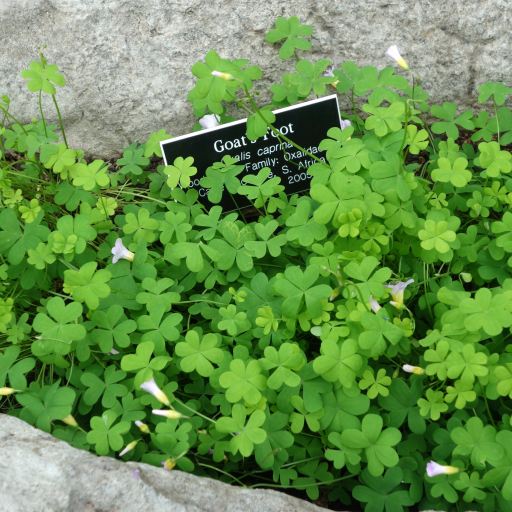
Known affectionately as the Goat's-foot Woodsorrel, Oxalis caprina is a charming winter-growing bulb hailing from the rocky slopes of South Africa. This little "sourgrass" brings a splash of sunny yellow to the landscape just when other plants are hunkering down for the cold. While it looks like a common clover at first glance, its elegant, funnel-shaped blooms and unique leaf shape reveal its true identity as a sophisticated member of the woodsorrel family.
🔍 How to Identify
- 🍀 The "Goat's Foot" Foliage: Each leaf is composed of three heart-shaped leaflets that are deeply notched at the tip, vaguely resembling the print of a goat's hoof.
- ☀️ Sun-Sensitive Blooms: The flowers are a brilliant, buttery yellow. They are highly "nyctinastic," meaning they proudly open wide in the bright sun but tuck themselves into tight, umbrella-like spirals at night or on overcast days.
- 🌱 Low-Profile Growth: It maintains a tidy, mounded habit, rarely growing taller than 10 inches, making it an excellent "filler" for rock gardens or containers.
🏡 In Your Garden
- 💤 The Summer Sleeper: Unlike many garden favorites, this plant follows a Mediterranean cycle. It thrives in the cool, wet winter and goes completely dormant (disappears underground) during the hot summer. Don't dig it up thinking it has died; it’s just resting!
- ⛰️ Drainage is Vital: Because it grows from small, delicate bulbs, it is highly susceptible to rot. It prefers "lean" or sandy soil that mimics its native rocky hillsides rather than rich, heavy potting mixes.
- 🐝 Pollinator Magnet: In late winter and early spring, these flowers provide a critical early-season nectar source for bees and hoverflies when few other plants are in bloom.
⚠️ Safety & Toxicity
- 🐱 Pet Warning: Like all Oxalis species, this plant contains calcium oxalates. While it has a very bitter "sour" taste that usually deters animals, it can cause salivation, tremors, or kidney issues if ingested in large quantities by cats or dogs.
- 👶 Kid Friendly? The leaves are technically edible for humans in tiny amounts (often used as a tart garnish), but large consumption can interfere with calcium absorption. It is best to keep it out of reach of curious toddlers.
✨ Fun Fact
The name caprina is derived from the Latin word capra, meaning "goat." This is a nod to the fact that in its native South African habitat, goats and other livestock frequently graze on these nutritious (though tangy) greens!

Detailed Care Instructions
To grow Oxalis Caprina plant, you can follow these steps:
- Choose a suitable location: Oxalis Caprina prefers partial shade to full sun. Ensure the chosen spot receives adequate light but is protected from extreme heat or direct midday sunlight.
- Prepare the soil: The plant thrives in well-draining soil. Add organic compost or well-rotted manure to improve soil fertility and drainage. Ideally, the pH level should be slightly acidic to neutral.
- Planting: Dig a hole that is slightly larger than the plant's root ball. Gently place the plant in the hole, making sure it is at the same level as it was in its previous pot. Firmly press the soil around the plant to eliminate air pockets.
- Watering: Water the plant immediately after planting and keep the soil consistently moist, but avoid overwatering. Too much water can cause root rot. During hot and dry periods, increase the frequency of watering.
- Fertilizer: Feed the plant with a balanced, slow-release fertilizer during the growing season, typically spring to early fall. Follow the instructions on the fertilizer packaging for proper dosage. Avoid over-fertilizing, as it can lead to weak and leggy growth.
- Mulching: Apply a layer of organic mulch, such as wood chips or straw, around the base of the plant to help retain moisture, suppress weeds, and maintain a stable temperature in the soil.
- Pruning: Regularly remove any dead or decaying foliage to maintain the plant's appearance and overall health. Cut back any leggy or straggly growth to encourage compact and bushier growth.
- Pests and diseases: Monitor the plant for pests such as aphids or spider mites and treat accordingly with organic insecticides or insecticidal soap. Keep an eye out for any signs of fungal infections or leaf spots and take appropriate measures if detected.
By following these steps and providing proper care, you can successfully grow and enjoy your Oxalis Caprina plant.

Place in a bright room that is sun drenched almost all day. Or directly in a south-facing window.

To ensure the healthy growth of the Oxalis Caprina plant, it is important to follow a few specific guidelines when watering:
1. Observe the soil moisture: Before watering, monitor the moisture level of the soil by inserting your finger about an inch deep into the soil. If it feels dry, it is an indication that the plant requires watering. However, if it feels moist, hold off on watering for a few days.
2. Water quantity: When watering the Oxalis Caprina plant, provide enough water to penetrate the roots and ensure even distribution throughout the soil. The aim is to moisten the soil evenly without causing waterlogging. Pour water until you see it starting to drain out from the drainage holes in the pot.
3. Watering frequency: While the Oxalis Caprina plant prefers slightly moist soil, it is essential to avoid overwatering, as excessive moisture can lead to root rot. Instead, establish a watering schedule based on the environmental conditions and specific needs of the plant. Generally, a thorough watering every 7-10 days should be sufficient, but adjust the frequency according to the plant's response and the moisture absorption rate of the soil.
4. Indirect watering: To prevent damage to the delicate leaves and stems, avoid watering the Oxalis Caprina plant directly from above. Instead, water the soil gently around the base of the plant. This allows the water to reach the roots without causing any harm or splashing the leaves.
5. Time of watering: It is typically best to water the Oxalis Caprina plant in the early morning or late afternoon. Watering at these times minimizes excessive evaporation and provides the plant sufficient time to dry before cooler evening temperatures set in.
6. Monitor humidity levels: Oxalis Caprina plants thrive in environments with moderate humidity. If the surrounding air is too dry, investing in a humidifier or placing a tray of water near the plant can help increase humidity levels and prevent the leaves from drying out.
Remember, consistently monitoring the soil moisture, understanding the needs of the plant, and adapting the watering routine accordingly are key to maintaining the health and vitality of the Oxalis Caprina plant.
To fertilize the Oxalis Caprina plant, follow these instructions:
- Choose a balanced, water-soluble fertilizer specifically formulated for houseplants. Look for a fertilizer with a ratio such as 10-10-10 or 20-20-20.
- Dilute the fertilizer according to the instructions on the packaging. In general, use about half the recommended strength to avoid overfeeding the plant.
- Water the plant thoroughly before applying the fertilizer. This ensures that the roots are adequately hydrated for nutrient uptake.
- Pour the diluted fertilizer solution onto the soil around the base of the plant. Avoid getting the fertilizer on the leaves as it may cause damage.
- Repeat the fertilization process every 4-6 weeks during the growing season, which typically occurs in spring and summer. Reduce or stop fertilizing in fall and winter when the plant enters a period of dormancy.
- Monitor the plant for signs of overfertilization, such as yellowing or burned leaf tips. If this occurs, flush the soil with water to leach out excess nutrients and adjust the fertilizer dilution or frequency accordingly.
- Additionally, consider supplementing the fertilizer with organic matter, such as compost or well-decomposed manure. Adding organic matter to the soil improves its overall fertility and helps sustain long-term plant growth.
Remember, different fertilizers may have specific instructions, so always read and follow the product label.
When selecting soil for Oxalis Caprina plants, it is important to consider their specific requirements. These plants thrive best in well-draining soil that retains adequate moisture without becoming waterlogged. A suitable soil mixture typically includes a combination of organic matter and inorganic components.
A suggested soil composition for Oxalis Caprina plants may consist of a blend of peat moss or coco coir, which aids in retaining moisture, and perlite or sand, which ensures the soil remains well-drained and prevents waterlogging. This mixture allows for the roots to breathe and prevents the risk of root rot, which might occur in dense or water-retaining soils.
Moreover, adding compost or well-decomposed organic matter to the soil mixture not only enriches the nutrients in the soil but also helps in improving its texture while promoting healthy growth. This organic matter contributes to the overall fertility of the soil and supports the plants' development.
It is important to note that Oxalis Caprina plants prefer slightly acidic to neutral pH levels. Therefore, it is advisable to check and adjust the pH of the soil to ensure it falls within the recommended range for optimal growth. Maintaining the appropriate pH is essential for the proper absorption of nutrients by the plants' roots.
Overall, providing well-draining soil enriched with organic matter and adjusting the pH to the suitable range will help create a favorable environment for the growth and development of Oxalis Caprina plants without revealing their common names.
To propagate Oxalis Caprina plants without using its common names, follow these steps:
- Preparation: Prepare all the necessary tools and materials for the propagation process. This includes a sharp, clean knife or shears, a suitable pot or container, well-draining soil, and a water source.
- Select a healthy parent plant: Look for a mature Oxalis Caprina plant with vibrant, green leaves and strong stems. Ensure that it is free from any diseases or pests.
- Division method: Carefully dig around the parent plant to expose its roots and rhizomes. Gently separate a smaller section of the plant from the main root ball, ensuring that it has some roots attached.
- Rhizome sectioning: If the plant has extensive rhizomes, carefully divide them into smaller sections with a sharp knife or shears. Ensure that each section has at least one healthy shoot and an adequate amount of healthy roots.
- Potting: Fill the chosen pot or container with well-draining soil. Make a hole in the center and gently place the divided Oxalis Caprina plant section into the soil, ensuring that the roots are adequately covered and the shoot is above the soil surface.
- Watering: Water the newly potted plant thoroughly until the soil is evenly moist. Avoid over-watering, as excessive moisture can cause root rot.
- Placement: Place the potted Oxalis Caprina plant in a location with bright, indirect sunlight. Ensure that the temperature remains consistent and within the plant's preferred range.
- Maintenance: Regularly monitor the soil moisture levels and water the plant as needed. Avoid allowing the soil to completely dry out or become waterlogged. Also, protect the plant from extreme temperatures or drafts.
- Growth and development: Over time, the propagated Oxalis Caprina plant will establish its root system and begin growing new leaves and shoots. Maintain proper care, including regular fertilization, to support its healthy development.
Remember, it is essential to research and adhere to any local regulations or guidelines regarding the propagation and handling of plants, especially if they are considered invasive species in certain regions.








