Plant Overview
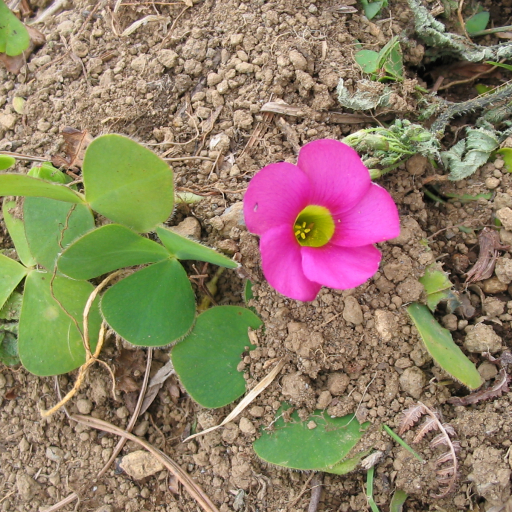
Often called the Large-flowered Wood Sorrel or the "Grand Duchess," Oxalis purpurea is a vibrant South African treasure that blankets the ground in a carpet of clover-like foliage. Unlike many common weeds in the Oxalis family, this species is prized by collectors for its oversized, neon-bright blooms that look like they’ve been hand-painted. It is a "winter-growing" bulb, meaning it provides a cheerful burst of color when most other garden plants are hunkering down for the cold.
🔍 How to Identify
- 🍀 The Foliage: Features classic trifoliate (three-lobed) leaves that resemble a lucky clover. The leaves are often a deep, rich green on top, but frequently sport a stunning purple or burgundy underside.
- 🌸 The Blooms: The flowers are exceptionally large for the genus, shaped like wide funnels with five overlapping petals. While commonly rose-purple, they also come in white, lavender, or yellow, always featuring a bright yellow "throat" at the center.
- 🌱 Growth Habit: This is a low-profile, stemless plant that grows from small underground bulbs. It rarely exceeds 4-6 inches in height, making it a perfect groundcover or "spiller" for decorative pots.
🏡 In Your Garden
- 💤 The Dormancy Secret: One of the most important things to know is that Oxalis purpurea goes into a deep sleep during the hot summer months. If the leaves turn yellow and die back in July, don't panic—the plant isn't dead; it's just retreating into its bulb to wait for the cooler autumn rains.
- ☀️ Sun-Seeker: The flowers are light-sensitive. They will stay tightly coiled like little umbrellas on cloudy days and only unfurl their full glory when the sun is shining directly on them. To see the best show, place them in the brightest spot in your home or garden.
⚠️ Safety & Toxicity
- 🐱 Pet Warning: Like all members of the Oxalis family, this plant contains calcium oxalates. If ingested in large quantities by cats or dogs, it can cause drooling, vomiting, or in rare cases, kidney issues.
- 👦 Human Safety: While the leaves have a pleasant, tangy "lemon" flavor and are sometimes used as a garnish, they should be eaten in very small amounts. People with a history of kidney stones should avoid consuming them entirely due to the oxalic acid content.
✨ Fun Fact
- 🌙 "Sleep Movement": Oxalis purpurea practices "nyctinasty," a biological rhythm where the leaves fold down against the stem at night as if the plant is tucking itself in for bed. This is thought to protect the plant from nocturnal moisture or chilling.

Detailed Care Instructions
To grow Oxalis Purpurea (also known as Purple Shamrock or False Shamrock), follow these steps:
- Choose a planting location: Oxalis Purpurea prefers bright, indirect sunlight. Select an area with well-draining soil. If planting indoors, choose a pot with drainage holes.
- Propagation: There are two primary methods of propagation; by seeds or by dividing bulbs.
- Seeds: Start by soaking the seeds in lukewarm water for a few hours. Sow the seeds on the soil surface, gently pressing them into the soil. Cover the seeds with a thin layer of soil. Water lightly and keep the soil slightly moist until germination occurs (usually within 2-3 weeks).
- Division: If you already have a mature plant, you can divide the bulbs to create new plants. Carefully separate the bulbs, making sure that each new division has roots attached. Plant the divisions in separate pots or spaces with appropriate soil.
- Seeds: Start by soaking the seeds in lukewarm water for a few hours. Sow the seeds on the soil surface, gently pressing them into the soil. Cover the seeds with a thin layer of soil. Water lightly and keep the soil slightly moist until germination occurs (usually within 2-3 weeks).
- Watering: Keep the soil consistently moist, but not overly saturated. Avoid waterlogging as it can lead to root rot. Water the plant thoroughly and allow excess water to drain out. Check the soil moisture regularly, especially during dry periods.
- Fertilization: Feed the plant with a balanced houseplant fertilizer during the growing season (spring to early autumn) every 2-4 weeks. Follow the instructions on the fertilizer package for proper dosage.
- Temperature and humidity: Oxalis Purpurea prefers temperatures between 60-75°F (15-24°C). It thrives in a moderately humid environment. Avoid placing it near drafts or heating vents.
- Care: Trim off any dead or yellowing leaves to maintain the plant's appearance and overall health. Regularly check for pests like aphids or spider mites. If necessary, treat them with appropriate methods such as using insecticidal soap or neem oil.
- Dormancy period: Oxalis Purpurea goes dormant after its growing season. Reduce watering gradually as the leaves start to fade and eventually die. During dormancy, keep the plant in a cool, dark place for about 2-3 months. Resume watering once new growth emerges.
By following these steps, you can successfully grow and care for Oxalis Purpurea plants. Keep in mind that they can be slightly finicky but are generally manageable with the right care.

Place in a bright room that is sun drenched almost all day. Or directly in a south-facing window.

To water this type of plant, you should thoroughly soak the soil and allow it to drain. Wait until the top inch or two of soil is dry before watering again, as overwatering can lead to root rot. It is important not to get the leaves wet, as this can lead to fungal growth. Use room temperature water and avoid using excess water that may sit in a tray under the pot.
To fertilize this plant, use a balanced fertilizer with equal amounts of nitrogen, phosphorus, and potassium. Apply the fertilizer during the growing season, which is typically spring and summer. Be sure to dilute the fertilizer according to the manufacturer's instructions and apply it to the soil surrounding the plant, avoiding direct contact with the leaves. Water the plant immediately after fertilizing to help distribute the nutrients evenly throughout the soil.
Oxalis Purpurea prefers well-drained soil with a slightly acidic pH level between 5.5-6.5. It grows well in a medium that is rich in organic matter and nutrients such as peat moss, perlite, and compost. Avoid using heavy soils that retain moisture or clayey soils that easily compact. A soil mix that is well aerated to allow for proper root growth is ideal. Additionally, it is recommended to add a slow-release fertilizer to the soil to promote healthy growth and blooming.
To propagate this plant, you will need to start by collecting its seeds or taking stem cuttings. For stem cuttings, select a healthy stem, making sure to choose one that is not flowering. Cut a section of the stem that is approximately 3-4 inches in length and remove any leaves from the bottom half of the stem.
Fill a small pot with a well-draining soil mix, and create a small hole in the center. Dip the cut end of the stem into rooting hormone and then place it into the hole. Press the soil around the base of the stem to secure it in place.
Water the soil gently to moisten it, and then cover the pot with a plastic bag to create a mini greenhouse environment. This will help to maintain the humidity around the cutting, which can help promote rooting.
Place the pot in a warm and bright location, but keep it out of direct sunlight. Water the cutting as needed to keep the soil moist, but be careful not to overwater as this can cause the cutting to rot.
After 2-3 weeks, you should start to see new growth emerging from the base of the stem, which is a sign that it has successfully rooted. At this point, you can remove the plastic bag and continue to care for the new plant as you would any other Oxalis Purpurea plant.
Common pests of the round-leaf wood-sorrel include Spider mites, aphids, whiteflies. Make a habit of checking your round-leaf wood-sorrel frequently for pests so that any infestations can be caught and managed early.








