Plant Overview
Often called "Lancewood" in its native regions, Oxandra asbeckii is an elegant understory inhabitant of the lush rainforests of Suriname, French Guiana, and Northern Brazil. A member of the Annonaceae (Custard-apple) family, this plant is a cousin to the famous Soursop. It has a long history of being prized by local communities for its remarkably flexible wood, which feels as sturdy as a bowstring yet bends without breaking.
🔍 How to Identify
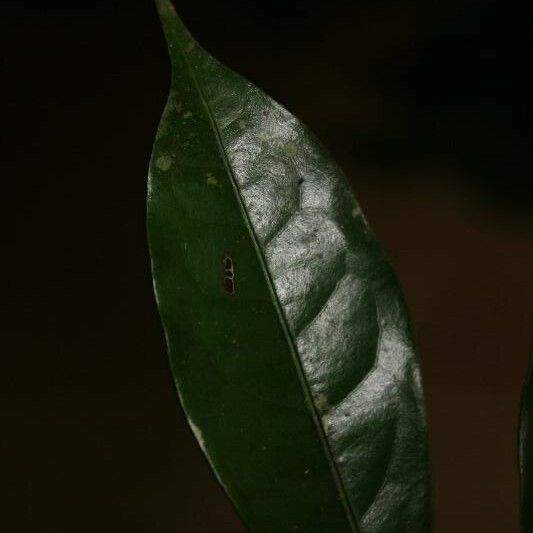
- 🌿 Lance-Shaped Foliage: The leaves are slender and elongated with a pointed tip, featuring a glossy, deep-green finish that helps tropical rain shed quickly.
- 🌳 Dark Bark: One of its most striking features is its smooth, dark bark which can appear almost obsidian-black when wet, giving the tree a sophisticated silhouette.
- 🌼 Axillary Blooms: Small, inconspicuous flowers emerge directly from the leaf axils, usually in shades of creamy white or pale yellow, often emitting a faint, sweet scent.
🏡 In Your Garden
- 🌱 Root Sensitivity: This species is known for its delicate root system. It deeply dislikes being moved, so if you are growing it in a container, choose a "forever home" early to avoid the transplant shock that often leads to leaf drop.
- ☁️ Humidity Needs: Because it originates from the humid undergrowth of the Amazonian shield, it thrives in high-humidity environments. If the air is too dry, the leaf tips will quickly turn brown and crispy as a sign of distress.
⚠️ Safety & Toxicity
- 🟢 Generally Safe: There are no widespread reports of Oxandra asbeckii being toxic to humans or common household pets like cats and dogs.
- 🧤 Pruning Precaution: Like many tropical woody plants, the sap can occasionally cause mild skin irritation for those with very sensitive skin. It is best to wear gloves if you are doing extensive pruning.
✨ Fun Fact
Indigenous hunters historically used the exceptionally straight and flexible branches of Oxandra species to craft high-quality hunting bows and fishing spears, earning it its "Lancewood" nickname!

Detailed Care Instructions

Place in a window with dappled sun or a spot in the middle of a room. Or directly in a window facing west or east.

Water-loving plants flourish in wet or sloppy soil and near ponds. The extensive root system enables these plants to absorb plenty of water. The surface of the soil should be kept moist at all times. Place your pot in a container filled with water to guarantee that plants get enough water. If the ground becomes dry, it is recommended that you water it well. Plants in smaller pots will need to be watered more frequently. Water the soil in which the plant is standing thoroughly using a watering can.








