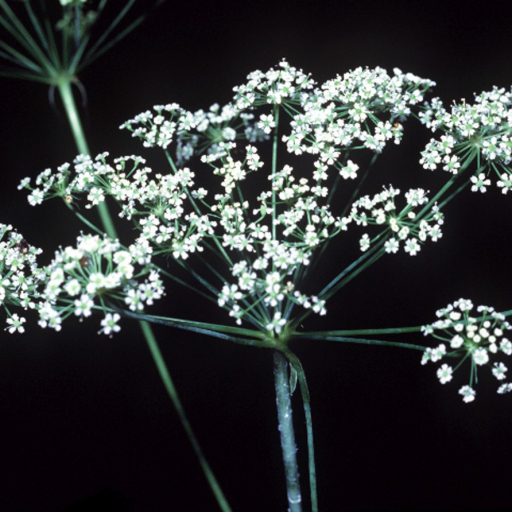
Plant Overview
Known as the "Stiff Cowbane," Oxypolis rigidior is an elegant, architectural beauty often found swaying in the breeze of North American wetlands. While its delicate white umbrellas might remind you of Queen Anne's Lace or Garden Valerian, this member of the carrot family holds a potent secret. It is a striking native wildflower that brings structural height to boggy landscapes but demands a high level of respect due to its hidden chemistry.
🔍 How to Identify
- ☁️ Flower Umbels: It features flat-topped clusters of tiny, five-petaled white flowers that create a "cloud-like" appearance at the top of the stalks.
- 🌿 Narrow Leaflets: The leaves are pinnately compound, usually consisting of 7 to 11 narrow, lance-shaped leaflets that are notably stiff and leathery to the touch.
- 📏 Upright Stature: True to its name (rigidior), the stems are remarkably straight, hollow, and smooth, often reaching heights of 3 to 5 feet without drooping.
🏡 In Your Garden
- 💧 Wetland Specialist: This isn't a plant for a standard dry border; it thrives in "wet feet" conditions. It is perfect for rain gardens, pond edges, or low-lying areas of the yard that stay consistently saturated.
- 🦋 Swallowtail Host: If you are gardening for wildlife, this is a superstar. It is a primary host plant for the Eastern Black Swallowtail butterfly, providing essential food for their colorful caterpillars.
⚠️ Safety & Toxicity
- 💀 Status: EXTREMELY TOXIC.
- 🚫 Details: Every part of this plant, especially the roots, is highly poisonous to humans, cats, dogs, and livestock if ingested. It contains toxins similar to those found in Water Hemlock, which can be fatal. Always wear gloves when handling or pruning to avoid potential skin irritation or "phytophotodermatitis" (sun-sensitive rashes) caused by the sap.
✨ Fun Fact
Despite its dangerous reputation for "slaying cows" (hence the name Cowbane), its other folk name is "Pig-potato." This refers to the thickened, tuberous roots that look like small potatoes—a resemblance that has historically led to tragic cases of mistaken identity.

Detailed Care Instructions
To grow Oxypolis rigida (Oxypolis rigidior) successfully, here are some steps you can follow:
- Choose a suitable location: Oxypolis rigida prefers moist soil and full to partial sun exposure. Find an area in your garden or yard that receives at least 4-6 hours of direct sunlight daily.
- Prepare the soil: Oxypolis rigida requires fertile, loamy soil that is slightly acidic to neutral pH. Before planting, amend the soil by incorporating organic matter such as compost or well-rotted manure to improve drainage and fertility. Remove any weeds or rocks from the planting area.
- Planting: Oxypolis rigida can be grown from seeds or transplanted as seedlings. If starting from seeds, sow them directly into the prepared soil at the desired planting depth as mentioned on the seed packet. If transplanting, dig a hole that is slightly larger than the root ball of the seedling and place it in the hole. Backfill with soil and gently firm it around the plant.
- Watering: Water the plant thoroughly after planting to settle the soil. Keep the soil consistently moist, but not waterlogged, especially during the growing season. Water deeply and evenly, providing around 1 inch of water per week. Mulching around the plant can help retain moisture and suppress weed growth.
- Fertilization: Oxypolis rigida generally doesn't require heavy fertilization. However, you can apply a balanced, slow-release fertilizer in early spring to provide essential nutrients. Follow the instructions on the fertilizer package for application rates.
- Maintenance: Remove any weeds that compete with the plant for nutrients and light. Regularly check for pests and diseases and take appropriate measures to control them. Oxypolis rigida may need staking or support as it reaches maturity to prevent lodging or bending.
- Harvesting: Harvest the seeds when they turn brown and dry on the plant. Collect them in a paper bag and store them in a cool, dry place until you are ready to plant them. They can be sown in the next growing season.
By following these guidelines, you should be able to successfully grow Oxypolis rigida in your garden or yard.

Place in a window with dappled sun or a spot in the middle of a room. Or directly in a window facing west or east.

Oxypolis rigidior is a plant that belongs to the Apiaceae family and is native to wetland areas of North America. When it comes to watering this plant, it is important to replicate its natural habitat as closely as possible.
1. Understanding Moisture Requirements: Oxypolis rigidior requires consistently moist soil, as it is primarily found in wetland habitats. It thrives in boggy or marshy areas, where the water table is relatively high. Therefore, it is essential to provide ample moisture to keep the plant healthy and happy.
2. Soil Type: The plant prefers a soil type that retains moisture well, like loamy or clayey soil. These soil types hold water for longer durations, which helps maintain the required moisture levels for Oxypolis rigidior. However, ensure that the planting site has good drainage to prevent waterlogging, which can be detrimental to the plant's health.
3. Watering Frequency: The frequency at which you should water Oxypolis rigidior depends on the weather conditions and the moisture retention capacity of the soil. Generally, it requires regular watering, especially during hot and dry spells. Aim to keep the soil consistently moist but not waterlogged. Regularly check the soil's moisture levels by sticking your finger about an inch into the soil – if it feels dry, it's time to water.
4. Watering Method: It is best to water Oxypolis rigidior deeply rather than providing light, shallow waterings. Deep watering ensures that the moisture reaches the plant's roots, promoting healthy growth. Avoid wetting the foliage excessively, as this can make the plant more susceptible to diseases.
5. Mulching: Applying a layer of organic mulch around the base of Oxypolis rigidior can help retain soil moisture and prevent weed growth. Organic mulch, such as wood chips or straw, can act as insulation, reducing evaporation and maintaining a consistent moisture level in the soil.
6. Rainwater Collection: Oxypolis rigidior responds well to rainwater due to its low mineral content. If possible, consider collecting rainwater in barrels or buckets and using it to irrigate the plant. Rainwater is often soft and free of chemicals found in tap water, making it an ideal choice for irrigating this wetland species.
Remember that these guidelines are general in nature, and it is essential to monitor the moisture requirements of your specific Oxypolis rigidior plant. Observing how the plant responds to watering and adjusting accordingly will help maintain its health and vigor.
- Start by selecting a well-draining pot or garden bed suitable for your Oxypolis Rigidior plant.
- Ensure the soil is fertile and rich in organic matter. If needed, amend the soil with compost or well-rotted manure to improve its nutrient content.
- Choose a balanced, slow-release fertilizer with an NPK ratio of approximately 10-10-10 or similar. This will provide a good mix of essential nutrients for the plant's overall health.
- Before planting, mix a small amount of fertilizer into the soil or potting mix to promote initial root development.
- Once the plant is established, apply a complete fertilizer every 4-6 weeks during the growing season, typically from spring to early fall. Follow the manufacturer's instructions for the correct dosage based on the size and age of your plant.
- Spread the fertilizer evenly around the base of the plant, avoiding direct contact with the stems or leaves to prevent leaf burn.
- After applying the fertilizer, water the plant thoroughly to help the nutrients penetrate the soil and reach the roots.
- Consider using organic fertilizers or natural alternatives (such as compost tea) to reduce chemical inputs and promote a more sustainable approach to fertilizing.
- Monitor the plant's growth and health regularly. Adjust the fertilization schedule if necessary, based on plant performance and appearance.
- Remember to always follow best practices for fertilizer application, such as wearing gloves, avoiding over-fertilization, and keeping fertilizers out of reach of children and pets.
Oxypolis Rigidior is a perennial flowering plant that requires a specific type of soil to grow and thrive. Ideal soil for this plant should meet certain conditions to provide a suitable growing environment. Here are the details on the soil requirements for Oxypolis Rigidior:
- Moisture Retention: Oxypolis Rigidior prefers soil that retains moisture well. It should have good water-holding capacity to ensure consistent hydration for the plant.
- Drainage: While moisture retention is important, the soil should also have adequate drainage to prevent waterlogging. Poorly drained soil can lead to root rot and other issues. Therefore, a well-draining soil is necessary for the plant's health.
- pH Level: The ideal pH range for Oxypolis Rigidior is slightly acidic to neutral. The soil pH should typically be within the range of 6.0 to 7.0. This pH range ensures optimal nutrient availability for the plant.
- Organic Matter: Adding organic matter, such as compost or well-rotted manure, to the soil can improve its fertility and structure. Organic matter helps retain moisture, enhance nutrient content, and promote beneficial microbial activity in the soil.
- Texture: The soil texture should be loamy or sandy loam. This allows for good aeration and root penetration while retaining moisture. Heavy clay soils should be avoided as they can lead to poor drainage and hinder root development.
- Nutrient Content: The soil should be rich in nutrients, especially nitrogen, phosphorus, and potassium. These essential nutrients promote healthy growth and flowering in Oxypolis Rigidior. Regularly fertilizing the plant with a balanced organic or slow-release fertilizer can help maintain nutrient levels.
- Sunlight Requirements: Oxypolis Rigidior thrives in full sun to partial shade. The soil should support healthy growth under the specific light conditions required by the plant.
Providing the right soil conditions will ensure the optimal growth and vitality of Oxypolis Rigidior. However, it's important to note that these are general guidelines, and individual plant needs may vary. Checking the specific requirements for the plant and observing its response to the soil condition will help fine-tune the soil requirements over time.
Propagation of Oxypolis Rigidior plant can be done through several methods, including seed propagation and division. Here are the steps to propagate this plant:
- Seed Propagation:
- Start by collecting ripe seeds from the mature Oxypolis Rigidior plant. Look for dry, brown seeds in the flower heads.
- Remove the seeds from the plant and spread them out to air dry for a few days.
- Prepare a seed-starting tray or small pots with a well-draining soil mix.
- Sow the seeds thinly on the soil surface and gently press them down, ensuring good soil-to-seed contact.
- Mist the soil with water to hydrate the seeds but avoid overwatering.
- Cover the tray or pots with a plastic dome or place them in a plastic bag to create a humid environment.
- Place the tray or pots in a warm location with indirect sunlight.
- Keep the soil slightly moist and sprouts should emerge within a few weeks.
- Once the seedlings have grown a few inches tall and have developed a few sets of leaves, they can be transplanted into individual pots or directly into the garden.
- Start by collecting ripe seeds from the mature Oxypolis Rigidior plant. Look for dry, brown seeds in the flower heads.
- Division:
- Start by digging up the mature Oxypolis Rigidior plant during the dormant season, which is typically in early spring or fall.
- Gently lift the plant from the ground, being careful not to damage the roots.
- Remove excess soil from the roots and examine the plant for natural divisions.
- Using a sharp, sterile knife or garden shears, carefully separate the plant into smaller sections, ensuring that each division has an adequate amount of roots and healthy shoots.
- If there are any damaged or decaying parts, trim them away to encourage healthy growth.
- Prepare individual pots or planting holes in a suitable location in the garden.
- Place each division into its own pot or planting hole, making sure to position it at the same depth as it was previously planted.
- Backfill the soil around the roots, gently firming it to eliminate air pockets.
- Water the newly divided plants thoroughly to settle the soil and promote root establishment.
- Provide adequate care, including regular watering, appropriate sunlight conditions, and protection from extreme weather conditions, until the divisions become established.
By following these propagation techniques, you can successfully propagate the Oxypolis Rigidior plant and expand your collection or share it with fellow gardeners.
- Start by digging up the mature Oxypolis Rigidior plant during the dormant season, which is typically in early spring or fall.








